Русский
 Türkçe
 中文
中文
Intelligent Thermal Management System for Professional Diode Lasers
Intelligent Thermal Management System for Professional Diode Lasers
High-power diode laser systems generate significant heat during operation. Stable performance therefore depends not only on wavelength, optical efficiency and handpiece design, but also on how effectively the system manages thermal load.
Omni Laser uses a closed-loop water-circulation architecture that combines a water reservoir, Italian brushless water pump, handpiece heat transfer, real-time flow and temperature sensing, active cooling and automatic temperature control.
The complete circulation path is:
Water Tank / Reservoir
→ Italian Brushless Water Pump
→ Handpiece
→ Water Flow & Temperature Sensor
→ Refrigeration Compressor or TEC-Based Cooling Unit
→ Return to Water Tank / Reservoir
This architecture is designed to support stable water flow, controlled operating temperature and reliable long-term diode laser operation.
Why Does Thermal Management Matter in a Professional Diode Laser?
Thermal management matters because a diode laser converts only part of its electrical input into optical energy; the remaining energy becomes heat.
If this heat is not removed efficiently, system temperature can rise and affect:
- Laser-module stability
- Optical output consistency
- Component reliability
- Handpiece performance
- Continuous operating capability
- Laser-module service life
The higher the handpiece power, the greater the thermal load the cooling system needs to manage.
For this reason:
Higher laser power requires appropriately matched cooling capacity.
What Is the Correct Closed-Loop Water Circulation Path?
The correct Omni Laser water-circulation path is:
Water Tank → Brushless Water Pump → Handpiece → Flow & Temperature Sensor → Cooling Unit → Water Tank
Each component performs a different function.
1. Water Tank / Reservoir
The reservoir stores cooling water and provides a stable supply for the circulation loop.
2. Italian Brushless Water Pump
The pump drives cooled water from the reservoir toward the handpiece.
3. Handpiece
The circulating water absorbs heat generated by the laser module and internal handpiece components.
4. Water Flow & Temperature Sensor
After leaving the handpiece, the warmer return water is monitored for flow and temperature.
5. Refrigeration Compressor or TEC-Based Cooling Unit
The active cooling unit removes heat from the returning water.
6. Return to Water Tank
The cooled water returns to the reservoir and begins the next circulation cycle.
This creates a true closed-loop thermal-management system.
Why Is the Water Pump Placed Before the Handpiece?
The pump is placed before the handpiece because it provides the hydraulic force required to deliver stable cooling water into the handpiece.
A stable pump helps maintain:
- Consistent water flow
- Appropriate system pressure
- Reliable heat-transfer performance
- Stable operation during long treatment sessions
Without stable circulation, even a strong cooling unit cannot effectively remove heat from the laser module.
Why Does Omni Laser Use an Italian Brushless Water Pump?
Omni Laser uses an Italian brushless water pump because internal testing showed that pump design significantly affects water-flow stability, operating noise and pressure consistency.
During system development, multiple pump configurations were evaluated.
Some pumps produced:
- Higher operating noise
- Unstable water flow
- Pressure fluctuation
- Less smooth circulation
The selected Italian brushless pump provides:
- Low operating noise
- Stable water circulation
- Adjustable water pressure
- Smooth continuous flow
- Reliable long-term operation
The key advantage is not simply “high flow.”
It is:
Stable Flow + Appropriate Pressure + Low Noise + Reliable Circulation
Why Is Adjustable Water Pressure Important?
Adjustable water pressure is important because different handpiece and cooling structures can create different levels of hydraulic resistance.
If pressure is too low:
- Water flow may become insufficient
- Heat removal may decrease
If pressure is unnecessarily high:
- Pump workload increases
- Noise may increase
- Mechanical stress may rise
- Long-term wear may increase
Adjustable pressure helps match the pump output to the requirements of the actual water circuit.
Why Is the Water Flow & Temperature Sensor Placed After the Handpiece?
The sensor is placed after the handpiece because this is where the water has already absorbed heat from the laser module.
Monitoring the returning water provides useful real-time information about:
- Actual return-water temperature
- Water-flow condition
- Current thermal load
- Cooling-system demand
This allows the control system to respond to the real operating condition of the laser rather than only monitoring water before heat absorption occurs.
How Does Intelligent Water Temperature Control Work?
Omni Laser uses automatic temperature monitoring to determine when active cooling should start and stop.
The control logic is:
Water Temperature ≥ 28°C
→ Active Cooling Starts
Water Temperature ≤ 22°C
→ Active Cooling Stops
This creates a controlled operating range of approximately:
22–28°C
The system therefore does not need to run active cooling continuously at maximum output.
Instead, cooling responds to actual thermal demand.
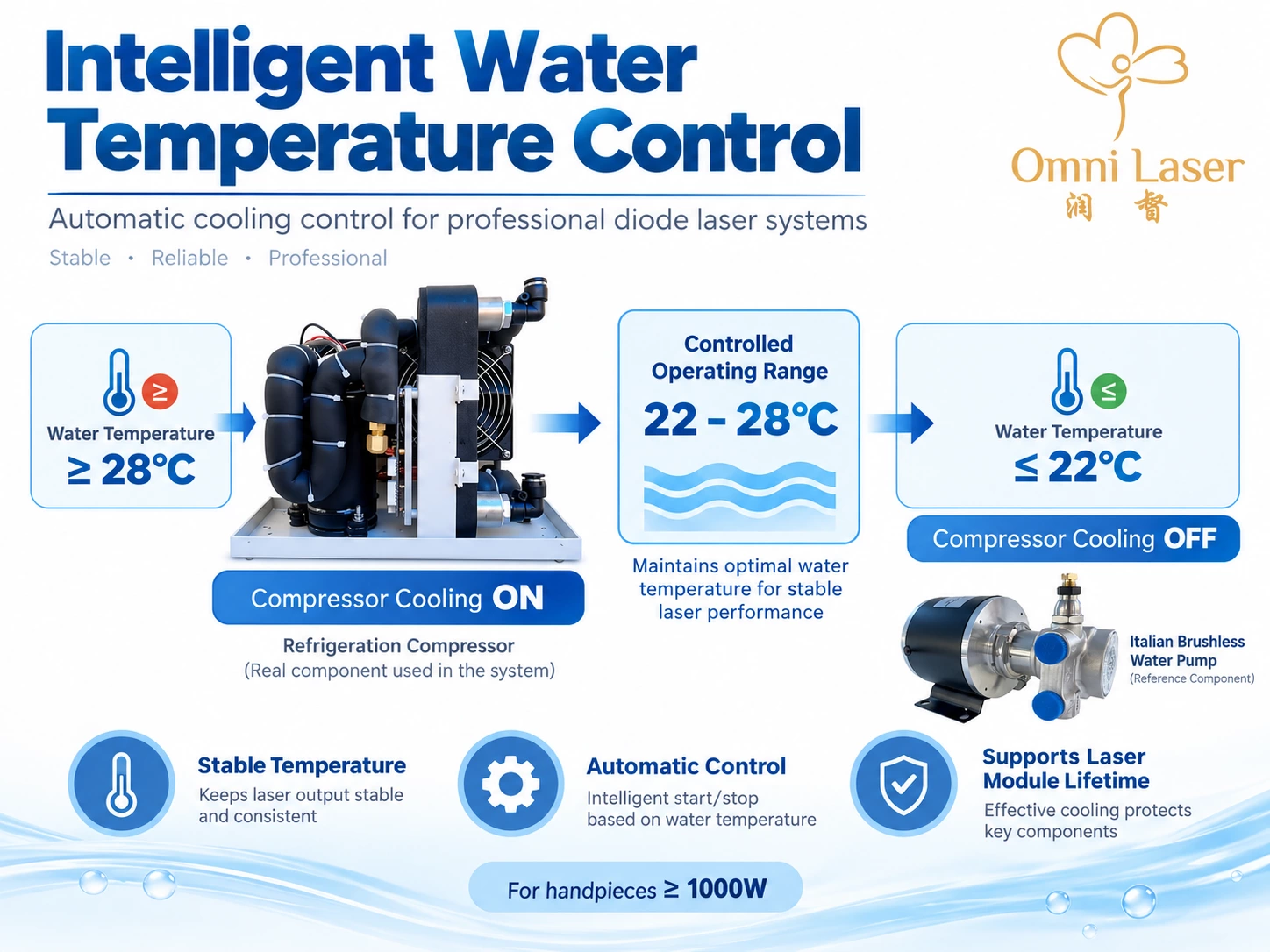
Figure 1 — Intelligent Water Temperature Control
Why Use a 22–28°C Water Temperature Range?
The 22–28°C range provides a practical thermal window for maintaining stable diode laser operation.
When water temperature approaches or exceeds the upper threshold:
more heat needs to be removed.
When water temperature drops to the lower threshold:
additional active cooling is no longer necessary.
This feedback-control strategy can help:
- Maintain more stable operating temperature
- Reduce unnecessary compressor operation
- Reduce mechanical load
- Improve system efficiency
- Support long-term component reliability
Actual water temperature behavior can still vary with ambient temperature, laser power, treatment duration and system configuration.
Why Does Omni Laser Use Different Cooling Architectures for Different Handpiece Powers?
Different cooling architectures are used because a 600W, 800W or 1200W handpiece does not generate the same thermal load.
Omni Laser therefore matches cooling capacity to handpiece power instead of using one identical solution for every system.
| Handpiece Power | Cooling Architecture | Main Purpose |
|---|---|---|
| Below 1000W | TEC-Based Water Cooling | Efficient cooling for moderate thermal loads |
| 1000W and Above | Refrigeration Compressor-Assisted Cooling | Higher cooling capacity for high-power operation |
The principle is:
Cooling capacity should match the thermal load of the laser system.
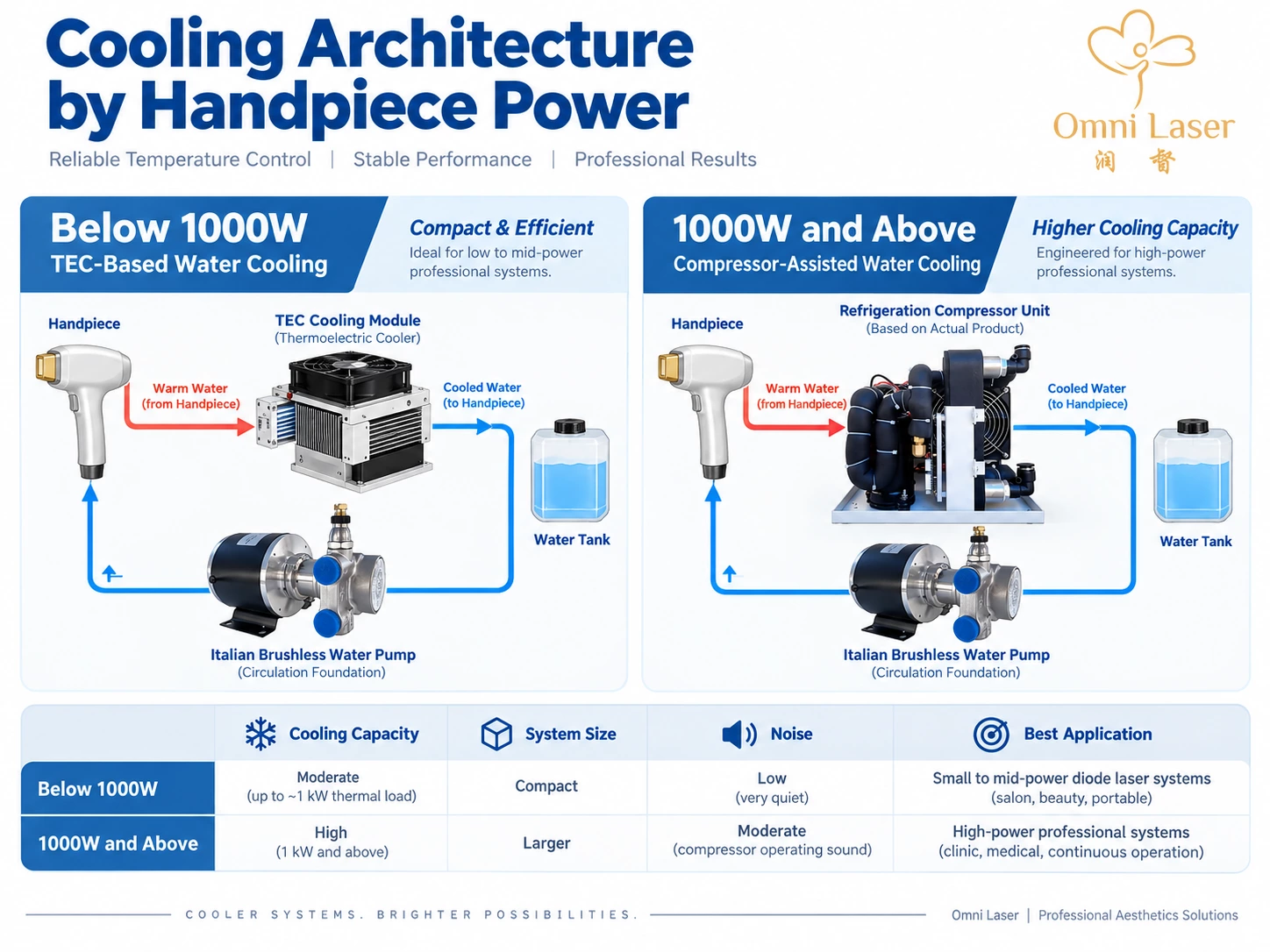
Figure 2 — Cooling Architecture by Handpiece Power
Why Use TEC-Based Cooling Below 1000W?
TEC-based cooling is suitable below 1000W because these systems typically generate a lower thermal load that can be managed efficiently without a full refrigeration compressor.
TEC stands for Thermoelectric Cooling.
Typical advantages include:
- Compact system size
- Lower mechanical complexity
- Lower operating noise
- Efficient cooling for moderate thermal loads
- No refrigeration compressor required
In this configuration, warm return water passes through the sensor and then through the TEC-based cooling unit before returning to the reservoir.
Why Use Compressor Cooling at 1000W and Above?
Refrigeration compressor cooling is used at 1000W and above because higher-power diode laser modules generate significantly greater thermal load.
Compressor-assisted cooling provides stronger active heat-removal capacity and is more suitable for:
- High-power handpieces
- Long treatment sessions
- High daily treatment volume
- Continuous professional operation
- High ambient-temperature environments
The compressor does not need to operate continuously.
It activates according to the water-temperature control logic.
What Is the Difference Between TEC Cooling and Compressor Cooling?
TEC and compressor cooling are not competing technologies; they are designed for different thermal requirements.
| Feature | TEC Cooling | Compressor Cooling |
|---|---|---|
| Cooling Capacity | Moderate | Higher |
| System Size | Smaller | Larger |
| Noise Level | Lower | Moderate |
| Mechanical Complexity | Lower | Higher |
| Best Application | <1000W | ≥1000W |
| Main Advantage | Compact and efficient | Strong active cooling |
This power-matched strategy helps avoid both under-cooling high-power systems and over-engineering lower-power systems.
How Does the Complete Diode Laser Thermal Management System Work?
The complete system works by continuously circulating water through the laser handpiece, monitoring the warmed return water, removing heat and returning cooled water to the reservoir.
The full sequence is:
1. Water Tank / Reservoir
stores cooling water
↓
2. Italian Brushless Water Pump
drives stable circulation
↓
3. Handpiece
transfers laser-generated heat into the water
↓
4. Water Flow & Temperature Sensor
monitors warm return water
↓
5. TEC Cooling or Refrigeration Compressor Cooling
removes thermal energy
↓
6. Return to Water Tank
completes the closed loop
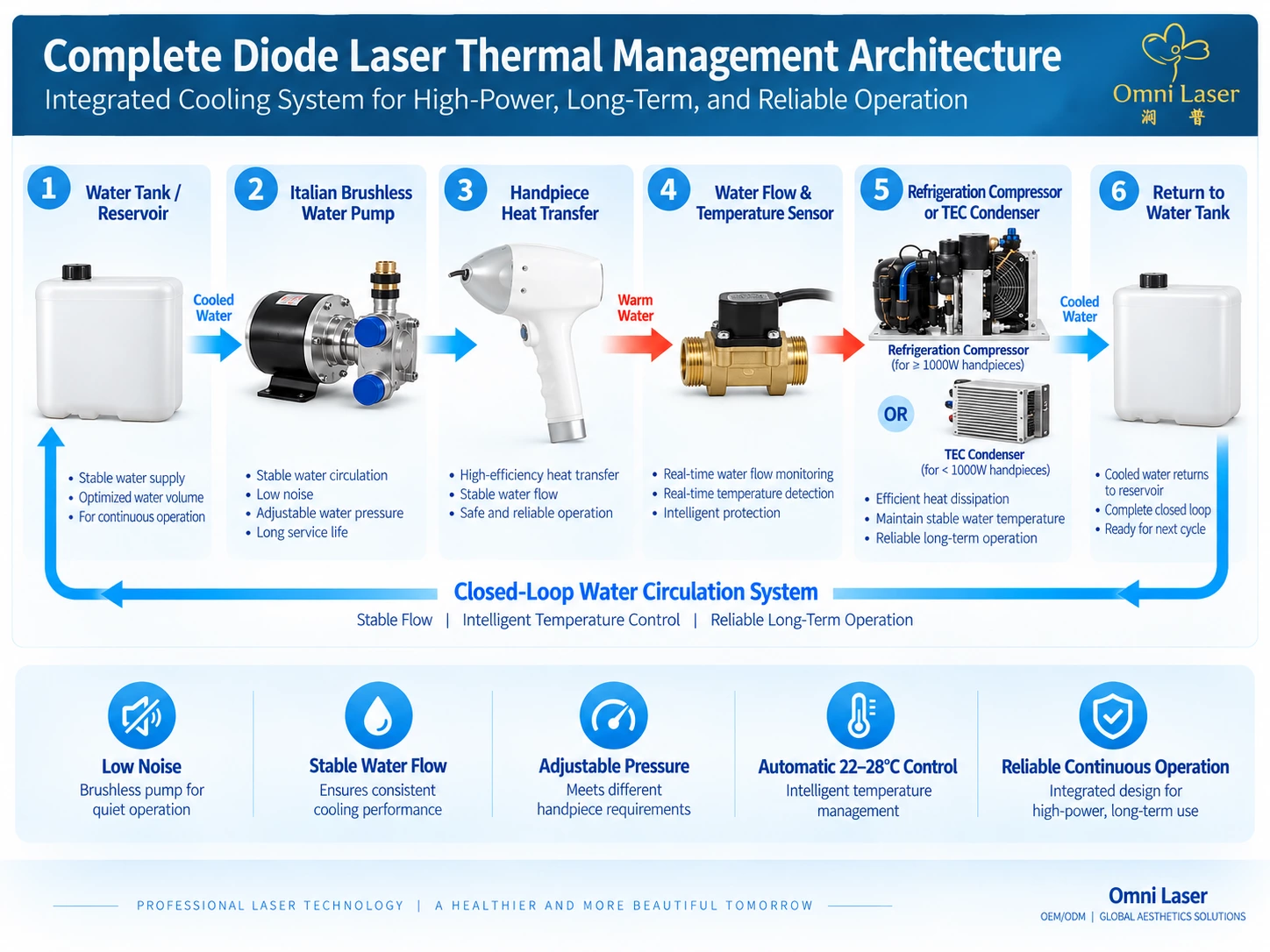
Figure 3 — Complete Diode Laser Thermal Management Architecture
How Does Intelligent Thermal Management Work with Super Channel Technology?
Super Channel Technology and Intelligent Thermal Management solve different parts of the same heat-management problem.
Super Channel Technology
helps transfer heat efficiently from the laser module into the circulating water.
Intelligent Thermal Management
moves that heated water through the system, measures it, cools it and returns it to the reservoir.
The relationship is:
Super Channel = Handpiece Heat Transfer
Thermal Management System = Complete Water-Cooling Control
Together they support more stable high-power operation.
Explore Super Channel Technology →
How Does Intelligent Thermal Management Work with FAC Technology?
FAC and thermal management also solve different engineering problems.
FAC Micro-Optical Technology improves optical-energy delivery efficiency.
Thermal Management controls the heat generated during continuous laser operation.
As effective optical output increases, stable thermal management becomes even more important.
This is why a professional high-performance diode laser requires both:
Efficient Optical Delivery + Effective Heat Removal
Explore FAC Micro-Optical Technology →
Why Can Stable Thermal Management Support Laser-Module Lifetime?
Stable thermal management can support laser-module lifetime because excessive heat and repeated temperature fluctuation can increase thermal stress on the laser module and related components.
A properly controlled cooling system can help reduce:
- Excessive heat accumulation
- Large temperature swings
- Thermal stress
- Unstable operating conditions
This can support:
- More consistent laser output
- Reliable continuous operation
- Better long-term component stability
- Laser-module service life
It is more accurate to say thermal management supports service life rather than guarantees a specific lifetime.
Why Does Low Noise Matter in a Professional Aesthetic Clinic?
Low operating noise matters because treatment-room experience is part of professional equipment design.
A cooling system that produces excessive pump or circulation noise can negatively affect:
- Patient experience
- Clinic environment
- Operator comfort
This is one reason Omni Laser evaluates pump noise together with flow and pressure performance.
Why Is Thermal Management More Than Just “Water + Air + TEC Cooling”?
Thermal management is more than a list of cooling components because system performance depends on how those components work together.
A complete thermal architecture includes:
- Water reservoir
- Water pump
- Flow path
- Handpiece heat transfer
- Flow sensor
- Temperature sensor
- Active cooling unit
- Temperature thresholds
- Control logic
The engineering value lies in the integration of the complete cooling loop, not simply the number of cooling components listed in a specification table.
Frequently Asked Questions About Diode Laser Thermal Management
What is the correct water circulation path?
Water Tank → Italian Brushless Water Pump → Handpiece → Water Flow & Temperature Sensor → Refrigeration Compressor or TEC Cooling Unit → Water Tank
Why is the pump before the handpiece?
Because the pump needs to drive cooled water from the reservoir into the handpiece to remove heat generated during laser operation.
Why is the sensor after the handpiece?
Because the returning water has already absorbed heat and therefore provides useful information about actual system thermal load.
When does active cooling start?
Active cooling starts when the monitored water temperature reaches 28°C or above.
When does active cooling stop?
Active cooling stops when the monitored water temperature reaches 22°C or below.
Why use TEC cooling below 1000W?
Because lower-power systems generate lower thermal loads that can be managed efficiently with TEC-based cooling.
Why use compressor cooling at 1000W and above?
Because higher-power systems generate more heat and require stronger active cooling capacity.
Does the system use the same water pump for different cooling configurations?
The water pump remains the circulation foundation of the closed loop, while the active cooling architecture can vary according to system power and thermal requirements.
Intelligent Thermal Management in the Omni Laser Diode Laser Technology Cluster
The Omni Laser diode laser technology architecture can be understood in four layers:
1. Wavelength Technology
755nm / 808nm / 1064nm
Determines optical absorption and penetration characteristics.
2. FAC Micro-Optical Technology
Improves effective optical delivery.
3. Super Channel Technology
Improves heat transfer inside the handpiece.
4. Intelligent Thermal Management
Controls water circulation, sensing, active cooling and temperature feedback.
Together:
Wavelength Selection
→ Efficient Optical Delivery
→ Efficient Handpiece Heat Transfer
→ Stable System Thermal Management
Explore the Diode Laser Technology Series
Diode Laser Hair Removal Technology
Learn how 755nm, 808nm and 1064nm wavelengths work.
FAC Micro-Optical Technology
Learn why effective optical output can differ even between handpieces with the same rated wattage.
Super Channel Technology
Learn how different cooling-channel architectures affect heat transfer, water tolerance and high-power operation.
For specific systems and handpiece configurations:
Explore Omni Laser Diode Laser Hair Removal Systems →
For treatment mechanisms and applications: