Русский
 Türkçe
 中文
中文
Green LED Light Therapy for Uneven-Looking Skin Tone and Skin Conditioning
Green LED Light Therapy for Uneven-Looking Skin Tone and Skin Conditioning
Green LED light therapy is an emerging light-based option in professional aesthetic skin care.
Compared with red, blue and near-infrared wavelengths, green LED light has been studied less extensively. However, growing research interest suggests that selected green wavelengths may have potential in cosmetic skin-care programs focused on skin tone appearance, complexion balance and gentle skin conditioning.
For professional aesthetic use, green LED light should not be positioned as a medical treatment for pigmentation disorders.
Instead, it is better described as a complementary wavelength for clients concerned with:
- uneven-looking skin tone
- dull-looking complexion
- visible spots or discoloration
- overall skin balance
- gentle facial care
- multi-wavelength skin-conditioning programs
This positioning keeps the application clearly within medical aesthetics and professional cosmetic skin care.
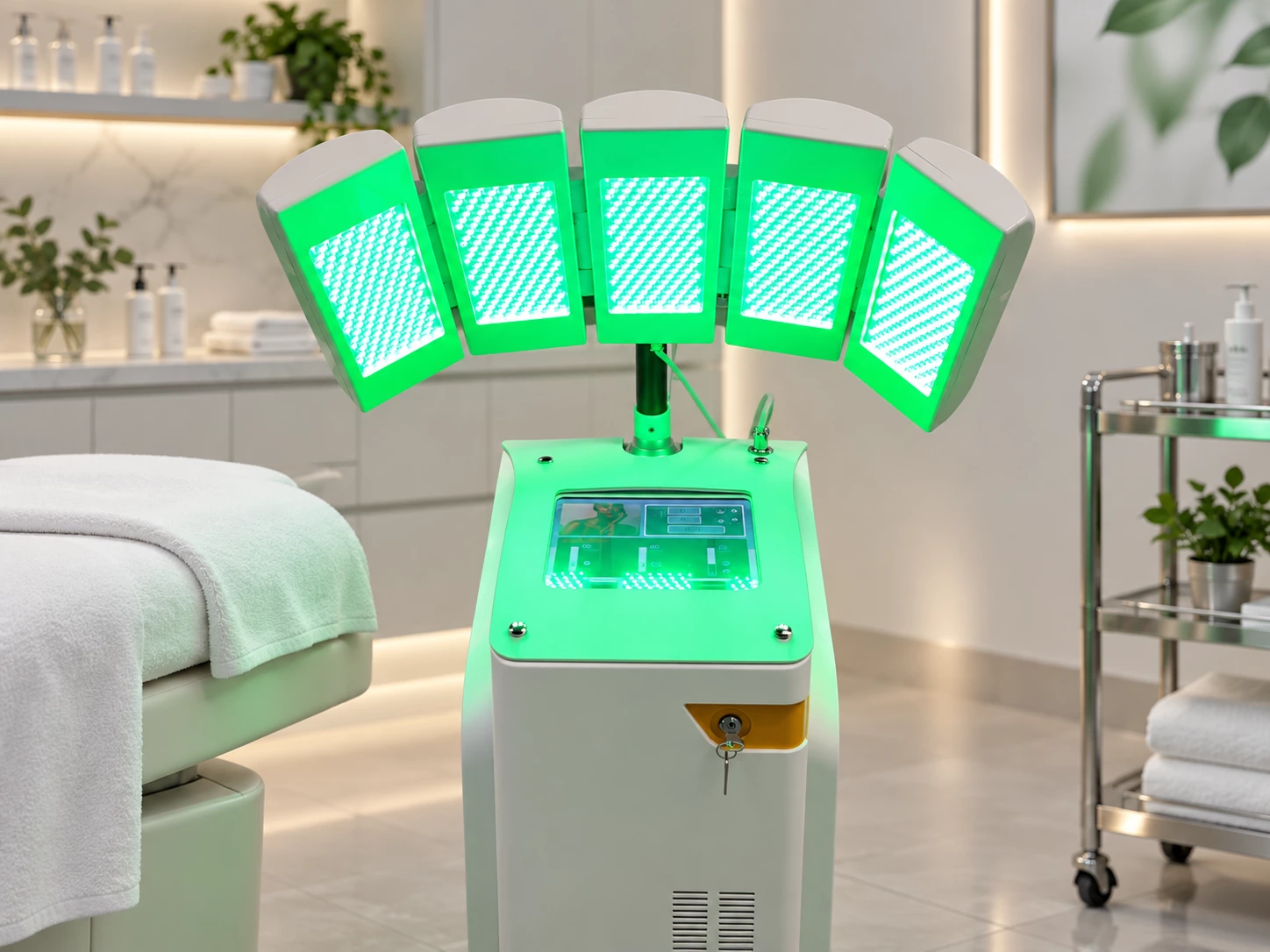
[Image 1: Green LED Light Therapy for Uneven-Looking Skin Tone]
What Is Green LED Light Therapy?
Green LED light therapy uses light-emitting diodes to deliver selected wavelengths within the visible green portion of the spectrum.
Professional systems may use green wavelengths around:
505nm
525nm
530nm
depending on device design.
Unlike laser systems, LED devices deliver broad-area, non-coherent light through arrays of light-emitting diodes.
This makes green LED suitable for professional facial programs where the goal is gentle, non-invasive skin conditioning rather than aggressive tissue targeting.
A recent human intervention study using 505nm green LED light reported improvements in melanin-related measurements, skin brightness and visible spots after repeated use over eight weeks. However, this evidence remains relatively limited and should not be generalized automatically to every green LED device.
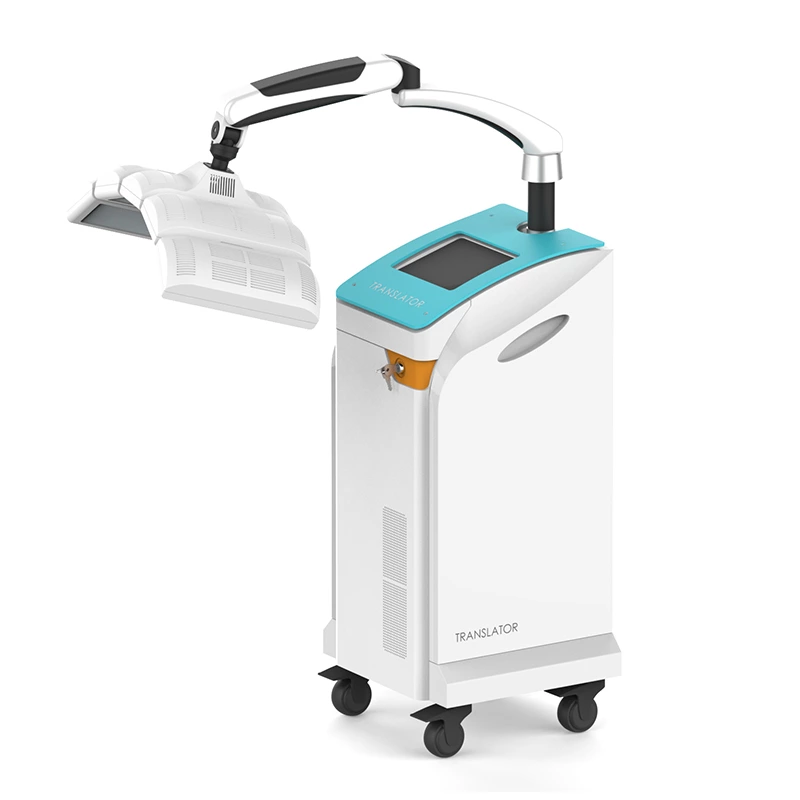
[Image 2: Professional Green LED Therapy Device]
Why Is Green Light Used in Aesthetic Skin Care?
Green light sits between blue and yellow wavelengths in the visible spectrum.
Because wavelength influences how light is absorbed and scattered in skin, green LED light interacts with tissue differently from shorter blue wavelengths and longer red wavelengths.
In aesthetic practice, green LED light is mainly positioned around:
skin tone appearance
complexion care
gentle skin conditioning
multi-wavelength facial programs
It is important not to overstate the evidence.
Some laboratory and human studies suggest that selected green wavelengths may influence melanin-related pathways or visible pigmentation, but current evidence is not strong enough to justify broad claims such as:
“Green LED removes pigmentation”
or
“Green LED treats melasma.”
A more appropriate professional message is:
Green LED light can be incorporated into aesthetic programs designed to support a more even-looking and balanced complexion.
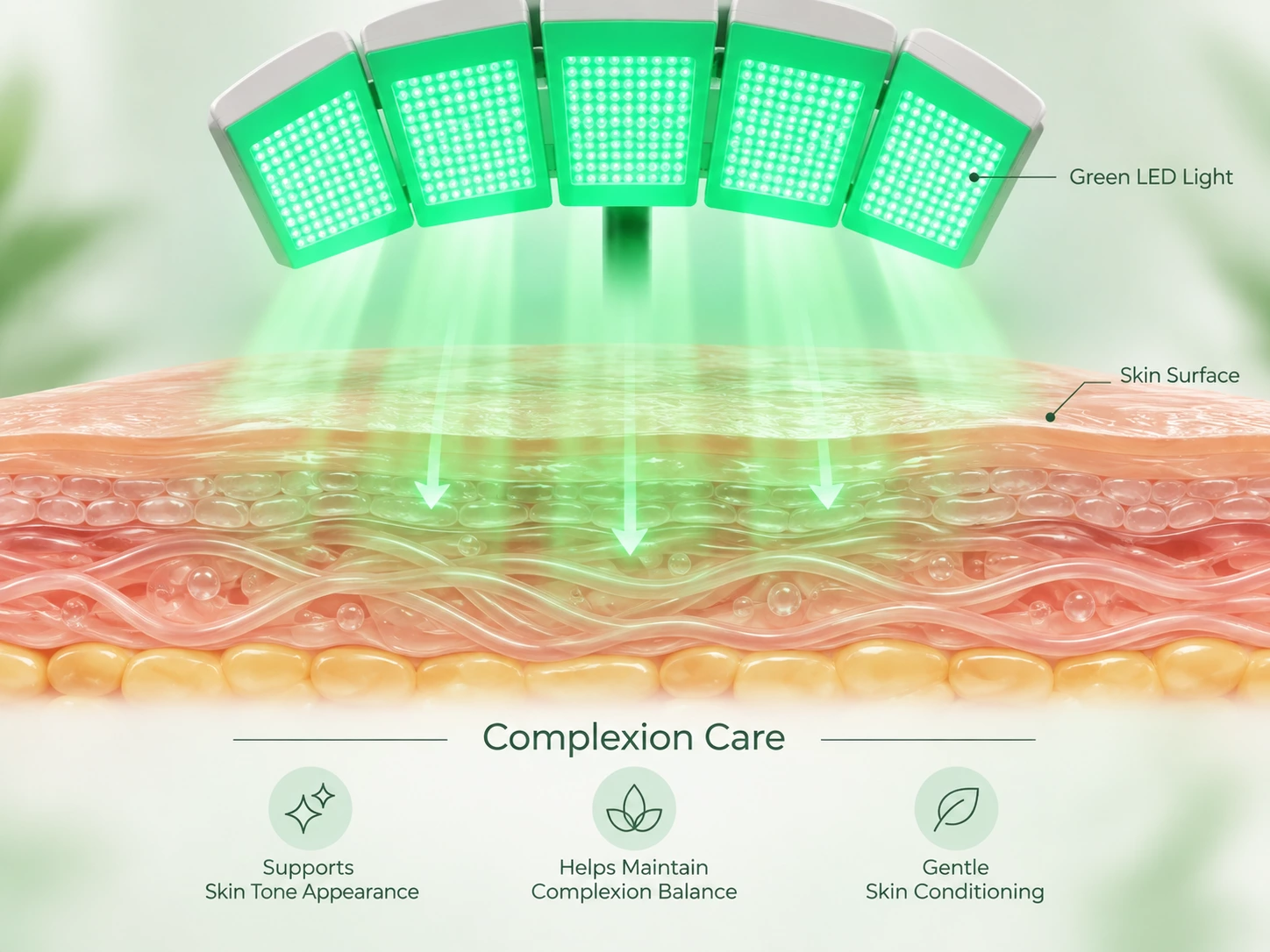
[Image 3: How Green LED Light Interacts with the Skin]
Key Aesthetic Applications of Green LED Light
Uneven-Looking Skin Tone
One of the most common cosmetic concerns in professional skin care is uneven-looking skin tone.
Clients may notice:
- visible spots
- patchy-looking complexion
- dullness
- uneven color distribution
- loss of overall skin uniformity
Green LED light can be incorporated into professional facial programs designed to support a more balanced-looking complexion.
This should be positioned as cosmetic skin-tone care, rather than treatment of a diagnosed pigmentation disorder.
Dull-Looking Complexion
A dull complexion can make the skin appear tired or uneven even when there is no significant clinical pigmentation concern.
Green LED may be used as part of a gentle skin-conditioning program for clients looking to improve:
- overall brightness
- visual freshness
- complexion balance
- skin appearance
The emphasis should remain on appearance rather than medical correction.
Visible Spots and Discoloration
Some clients seek professional facial care because of visible discoloration or small spots.
Green LED light may be included in a broader aesthetic program aimed at improving the appearance of uneven color.
Recent research using 505nm green LED reported changes in skin brightness and melanin-related measurements after repeated exposure, but this evidence is still emerging and should be communicated cautiously.
Gentle Skin Conditioning
Not every client needs aggressive treatment.
For clients who prefer non-invasive facial care, green LED can serve as a gentle complementary wavelength within broader professional skin-conditioning programs.
This makes it particularly useful in multi-color LED systems.
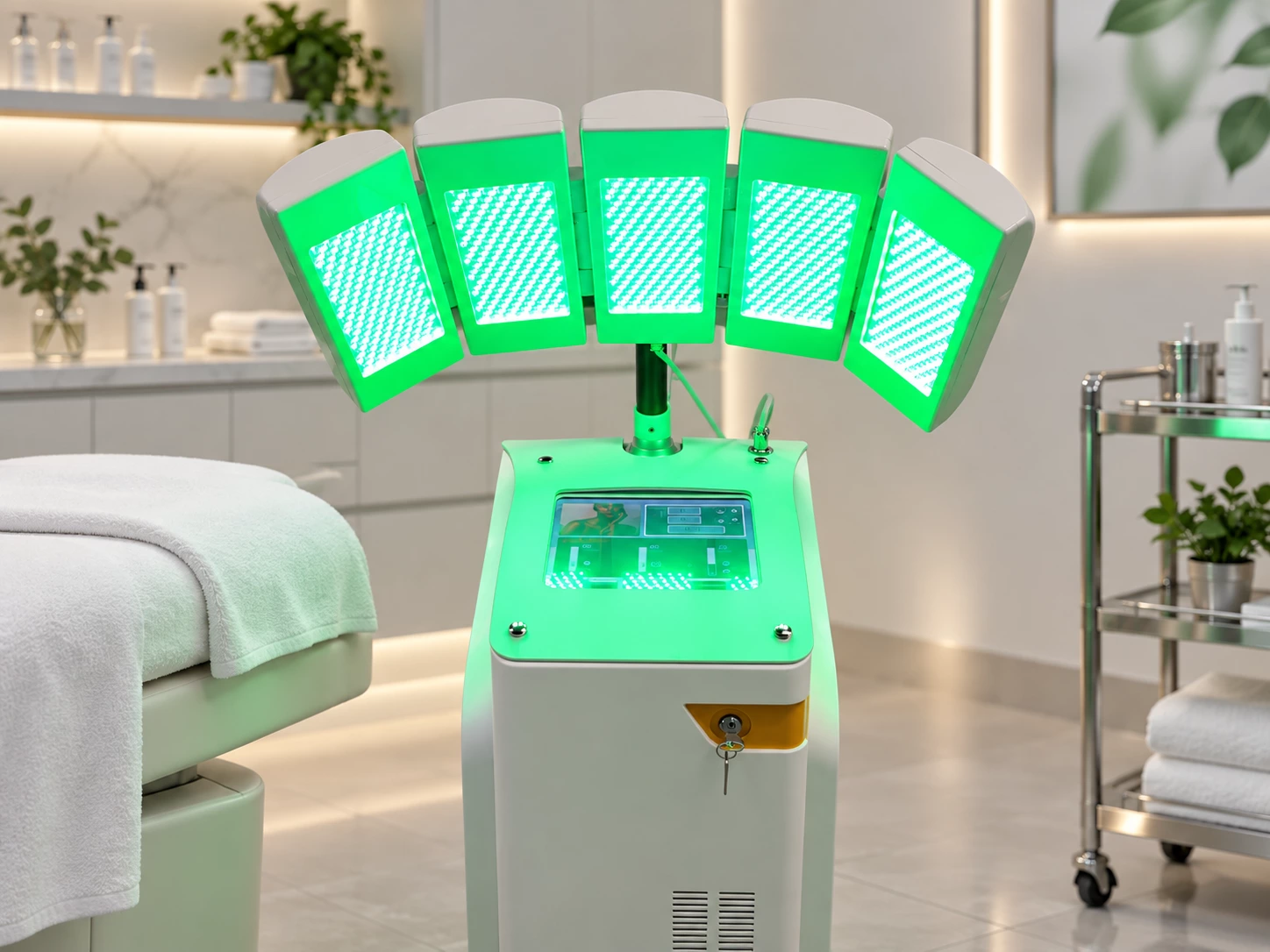
[Image 4: Green LED Facial Skin Conditioning]
505nm, 525nm and 530nm Green LED Light
Green light covers a relatively broad portion of the visible spectrum.
Professional LED systems may use different wavelengths within this range.
505nm Green LED Light
505nm is one of the few green LED wavelengths recently evaluated in both cellular experiments and a human intervention study.
The study reported improvements in:
- melanin measurements
- skin brightness
- skin color index
- number of visible spots
after repeated use over eight weeks.
This makes 505nm especially interesting from a research perspective.
However, it should not automatically be assumed that identical effects occur at every other green wavelength.
525nm Green LED Light
525nm sits toward the middle of the visible green spectrum.
It is commonly encountered in light-based cosmetic equipment.
For professional aesthetic use, 525nm can be positioned around:
- complexion care
- uneven-looking skin tone
- skin conditioning
- multi-wavelength facial programs
However, direct clinical evidence specifically for 525nm LED is still limited.
530nm Green LED Light
530nm is another common green wavelength used in aesthetic equipment.
It is close to 532nm, but this does not mean it should inherit the clinical claims of a 532nm laser.
This distinction is very important.
A 532nm picosecond or Q-switched laser delivers high-energy, highly focused light and has established uses for pigmented and vascular lesions. Green LED therapy, by contrast, is a low-intensity broad-area light treatment with a different mechanism and treatment profile.
Therefore, professional LED content should not use laser claims such as:
“removes lentigines”
“treats vascular lesions”
“eliminates pigmentation”
for green LED systems.
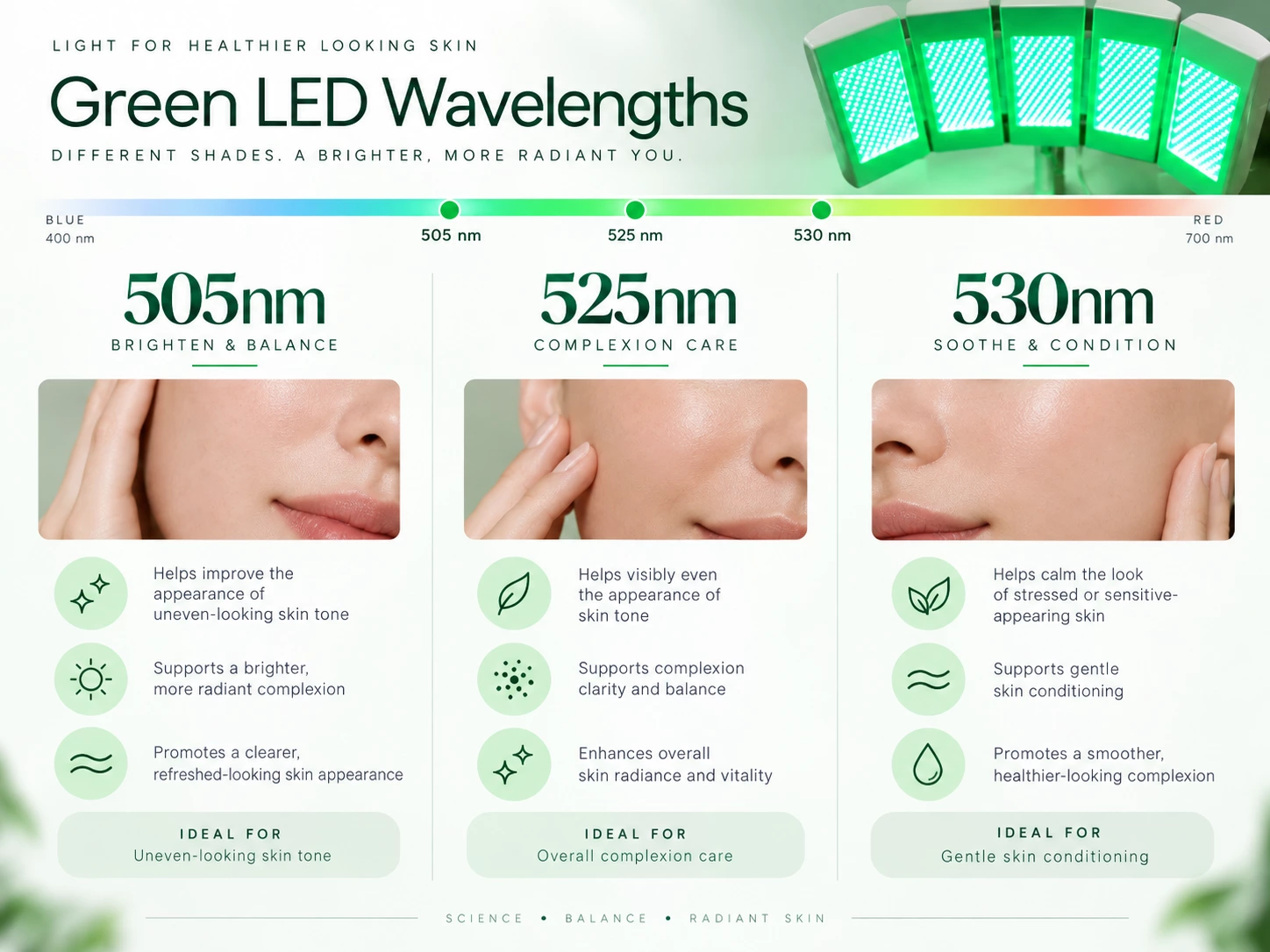
[Image 5: 505nm vs 525nm vs 530nm Green LED Light]
Is 505nm, 525nm or 530nm Better?
There is not enough evidence to say that one green LED wavelength is universally better.
The appropriate wavelength depends on:
- device design
- optical output
- treatment goal
- irradiance
- energy density
- treatment distance
- exposure time
- treatment protocol
At present, 505nm has some emerging direct LED evidence, while 525nm and 530nm are common professional system wavelengths but have less direct clinical documentation.
This distinction should be communicated transparently.
For clinics and distributors, the overall performance of the LED system is more important than wavelength alone.
Who Is Green LED Therapy Suitable For?
Within professional aesthetic skin care, green LED programs may be considered for clients concerned with:
- uneven-looking skin tone
- dull-looking complexion
- visible spots
- mild discoloration concerns
- overall complexion balance
- gentle facial skin conditioning
- maintenance-oriented skin care
- multi-wavelength LED programs
The treatment should be selected according to the client's skin condition and the actual device configuration.
Green LED therapy should not be positioned as a replacement for professional medical treatment of diagnosed pigmentation disorders.
How Is Green LED Therapy Used in Professional Aesthetic Clinics?
Standalone Complexion-Care Program
Green LED may be used as part of a gentle, non-invasive facial program for clients concerned with overall skin tone and complexion appearance.
Part of a Brightening Facial
Green LED can be integrated into broader facial protocols focused on:
- dull-looking skin
- uneven complexion
- visible discoloration
- overall skin freshness
Maintenance Skin-Care Program
Because LED therapy is non-invasive, green light can be incorporated into ongoing professional facial-care programs when appropriate.
Multi-Wavelength LED Program
Green LED can also be combined with other wavelengths when the treatment objective is broader than skin-tone care alone.
For example:
Green + Yellow
→ gentle complexion and sensitive-skin care
Green + Red
→ skin-tone care combined with rejuvenation
Green + Red + Near-Infrared
→ broader multi-wavelength facial conditioning
The role of green light should remain complementary rather than exaggerated.
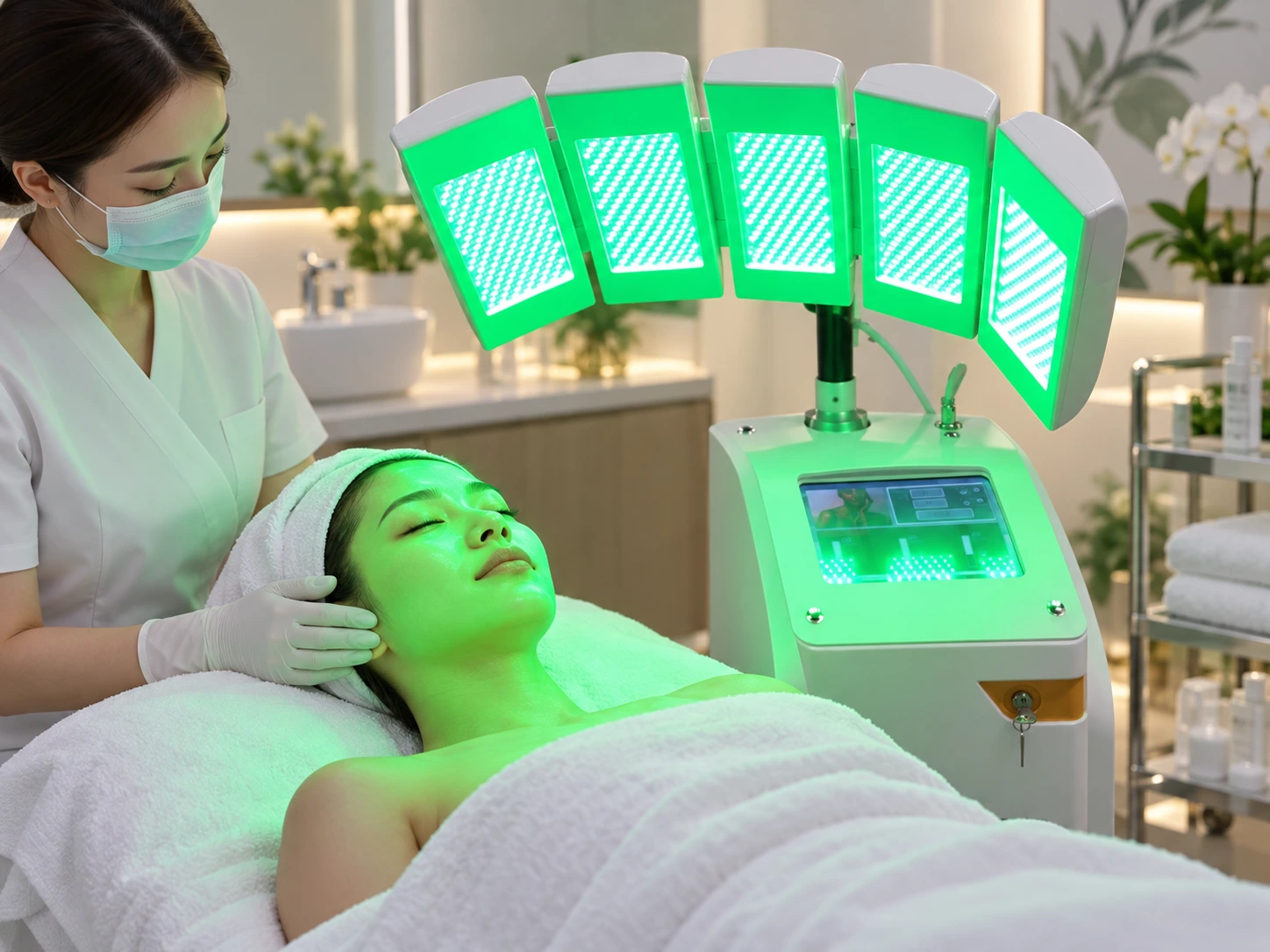
[Image 6: Professional Green LED Treatment in Aesthetic Clinics]
Green LED Light vs Yellow LED Light vs Red LED Light
These three wavelengths are all used in professional aesthetic systems, but their positioning should be different.
Green LED Light
Typical wavelength examples:
505nm / 525nm / 530nm
Main aesthetic focus:
- uneven-looking skin tone
- complexion balance
- visible discoloration
- gentle skin conditioning
Yellow LED Light
Typical wavelength examples:
590nm / 595nm
Main aesthetic focus:
- sensitive-looking skin
- redness-prone skin
- soothing care
- post-aesthetic skin conditioning
Red LED Light
Typical wavelength examples:
633nm / 660nm
Main aesthetic focus:
- skin rejuvenation
- texture
- radiance
- mature-looking skin
Green, yellow and red wavelengths can therefore serve different purposes within one professional multi-wavelength system.
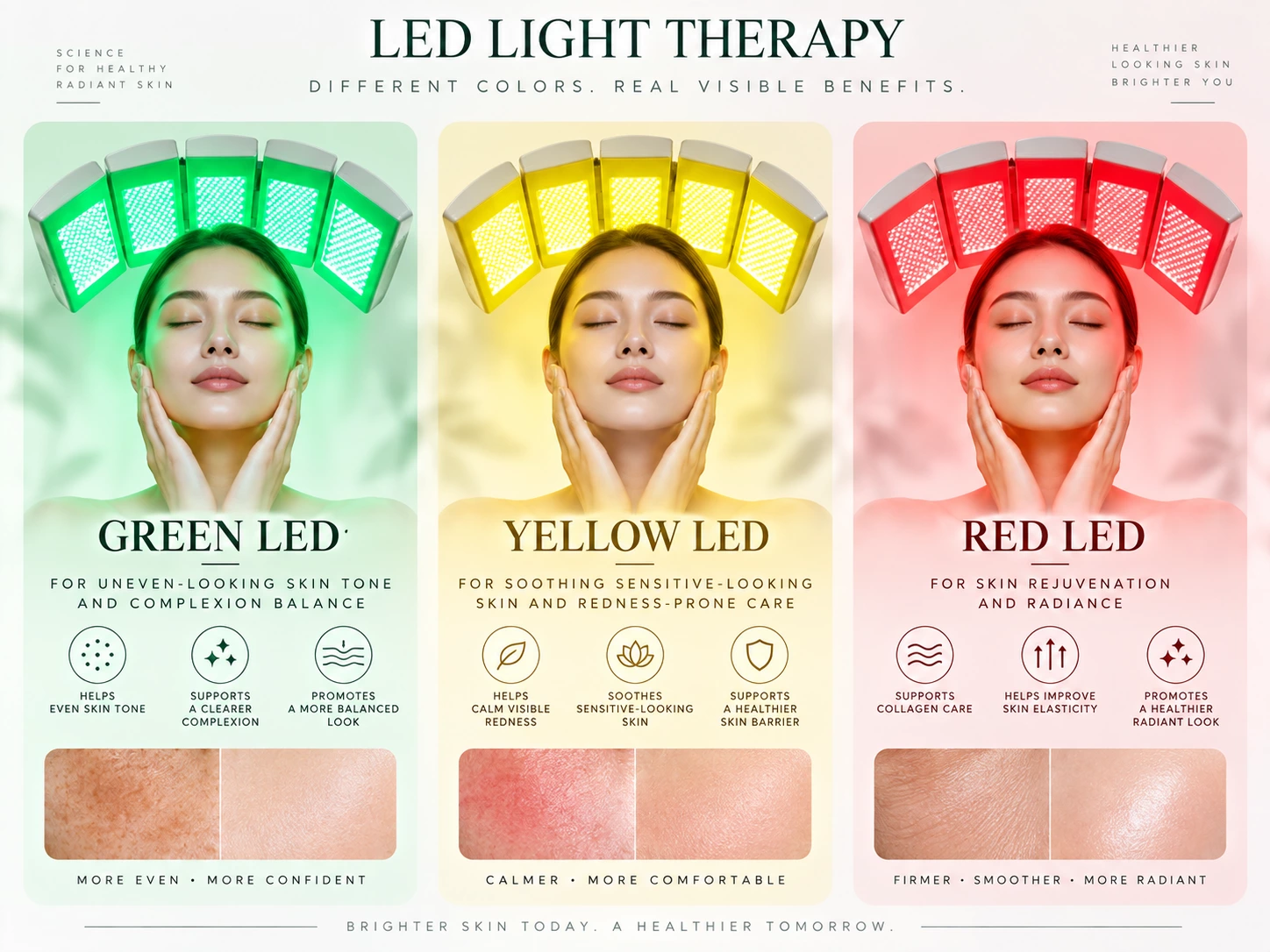
[Image 7: Green LED vs Yellow LED vs Red LED Light]
Green LED Light and Skin Pigmentation: What Should Clinics Know?
This is an important area where professional websites often overstate the evidence.
Green light has been studied in relation to pigmentation, but the available data are mixed.
A recent 505nm green LED study reported reduced melanin-related measurements and improved skin brightness after repeated use.
However, other experimental work has shown that visible green light around 530nm can stimulate melanogenesis under certain conditions and skin phototypes.
This means the biological effect of green light may depend on:
- exact wavelength
- dose
- irradiance
- exposure duration
- skin phototype
- treatment frequency
For this reason, clinics should avoid simplistic claims such as:
“Green light always reduces melanin.”
A more accurate statement is:
Selected green LED wavelengths are being investigated for their role in complexion and pigmentation-related skin care, but their effects depend strongly on treatment parameters and wavelength.
This is an important professional distinction.
Green LED Light for Uneven-Looking Skin Tone
Within aesthetic skin care, the strongest commercial positioning for green LED should therefore be:
uneven-looking skin tone
rather than:
pigmentation treatment
The difference may seem small, but it is important.
“Uneven-looking skin tone” describes an aesthetic concern.
“Pigmentation treatment” implies treatment of a medical or dermatological condition.
For Omni Laser, the first phrasing is more appropriate for this Treatment page.
Green LED Light for Gentle Skin Conditioning
Green LED can also play a useful role in general skin-conditioning programs.
This is particularly relevant for clients who:
- prefer non-invasive facial treatments
- are not seeking aggressive resurfacing
- want maintenance-oriented skin care
- are already receiving other aesthetic treatments
In these cases, green LED can be used as one component of a broader professional facial program.
What Determines the Performance of a Professional Green LED System?
Wavelength Accuracy
Professional systems should clearly identify whether the green wavelength is:
505nm
525nm
530nm
or another configuration.
Irradiance
Irradiance describes the optical power delivered across the treatment area.
It is commonly expressed in:
mW/cm²
Energy Density
Energy density represents the total optical energy delivered over the treatment period.
It is commonly expressed in:
J/cm²
Treatment Distance
Distance between the LED panel and the skin can significantly affect actual delivered irradiance.
LED Distribution
Uniform light distribution across the face is important.
A large number of LEDs does not automatically mean better performance if the treatment area is unevenly illuminated.
Treatment Area
Professional systems should provide adequate coverage across:
- forehead
- cheeks
- chin
- jawline
Treatment Protocol
Green LED treatment protocols should be matched to the actual system.
Parameters from a 505nm research device should not automatically be copied to a 525nm or 530nm commercial system.
Professional Green LED Therapy Systems from Omni Laser
Omni Laser develops professional multi-wavelength LED phototherapy systems for:
- aesthetic clinics
- professional skin-care centers
- medical-aesthetic practices
- distributors
- OEM/ODM beauty equipment brands
Depending on the configuration, Omni Laser LED systems can incorporate:
Red Light
Blue Light
Green Light
Yellow Light
Near-Infrared Light
Green LED can be included as part of professional programs designed around:
- complexion care
- uneven-looking skin tone
- gentle skin conditioning
- multi-wavelength facial care
Omni Laser professional LED systems are available in different multi-panel configurations, including:
3-Panel System — 1,800 LEDs
and
5-Panel System — 2,400 LEDs
These configurations provide different treatment-area coverage and system designs for professional aesthetic applications.
However, LED quantity alone should not be used to judge treatment performance.
Professional buyers should also evaluate:
- wavelength configuration
- irradiance
- energy density
- optical uniformity
- treatment distance
- treatment area
- protocol design
- system stability
- OEM/ODM capability
- regulatory documentation
Frequently Asked Questions About Green LED Light Therapy
What is green LED light therapy used for?
In professional aesthetic skin care, green LED light can be incorporated into programs for uneven-looking skin tone, complexion care and gentle skin conditioning.
What wavelengths are commonly used for green LED therapy?
Professional systems may use wavelengths such as:
505nm
525nm
530nm
depending on device design.
Is green LED light used for pigmentation?
Selected green LED wavelengths are being investigated for pigmentation-related cosmetic applications, but current evidence is still limited and wavelength-dependent.
For professional marketing, it is better to describe green LED as supporting more even-looking skin tone and complexion care.
Does 505nm green LED have clinical evidence?
A recent study using 505nm green LED reported improvements in melanin measurements, skin brightness and visible spots after repeated use over eight weeks.
Is 530nm green LED the same as a 532nm laser?
No.
530nm LED and 532nm laser systems are fundamentally different in:
- power
- coherence
- treatment mechanism
- energy delivery
- clinical application
Laser evidence should not be directly applied to LED systems.
Can green LED be used for uneven skin tone?
Yes, green LED can be incorporated into professional aesthetic programs focused on uneven-looking skin tone and complexion balance.
Is green LED suitable for sensitive skin?
It can be incorporated into gentle skin-conditioning programs, but yellow LED is usually more directly positioned toward sensitive and redness-prone skin care.
Can green and red LED light be used together?
Yes.
Green and red light can be combined in multi-wavelength programs where the goal is to support both complexion balance and overall skin rejuvenation.
Is green LED stronger than red LED?
No.
They are different wavelengths with different aesthetic positioning.
Green LED is more commonly associated with complexion care, while red LED is more strongly associated with skin rejuvenation.
How should clinics choose a professional green LED therapy system?
Clinics should evaluate:
- wavelength
- irradiance
- energy density
- treatment distance
- optical uniformity
- LED configuration
- treatment area
- professional protocols
- manufacturer support
rather than wavelength alone.
Professional Green LED Solutions for Complexion Care
Green LED light is an emerging component of professional aesthetic skin care.
Compared with red and blue wavelengths, the scientific evidence for green LED is still developing.
Current research suggests that selected green wavelengths may have potential in:
uneven-looking skin tone
complexion balance
skin brightness
gentle skin conditioning
but treatment effects appear to depend strongly on wavelength and dose.
For this reason, Omni Laser positions green LED as a complementary professional aesthetic wavelength, rather than as a stand-alone medical treatment for pigmentation disorders.
When integrated into a multi-wavelength LED platform, green light can complement red, yellow and near-infrared wavelengths to create broader professional facial-care programs.
Explore Omni Laser Professional LED Therapy Systems →
Contact Omni Laser for Professional LED Therapy OEM/ODM Solutions →