Русский
 Türkçe
 中文
中文
IPL (Part 3) – How to Choose a Reliable Professional IPL System and Why the Market Is Moving Toward Mini IPL
How to Choose a Reliable and High-Performance Professional IPL Device
While professional IPL systems remain the clinical gold standard for hair removal and skin rejuvenation, not all IPL machines deliver the same performance. Evaluating a device’s performance requires a systematic look at energy delivery, patient comfort, efficiency, hardware quality, and certification.
Consistent and Uniform Energy Deliverability
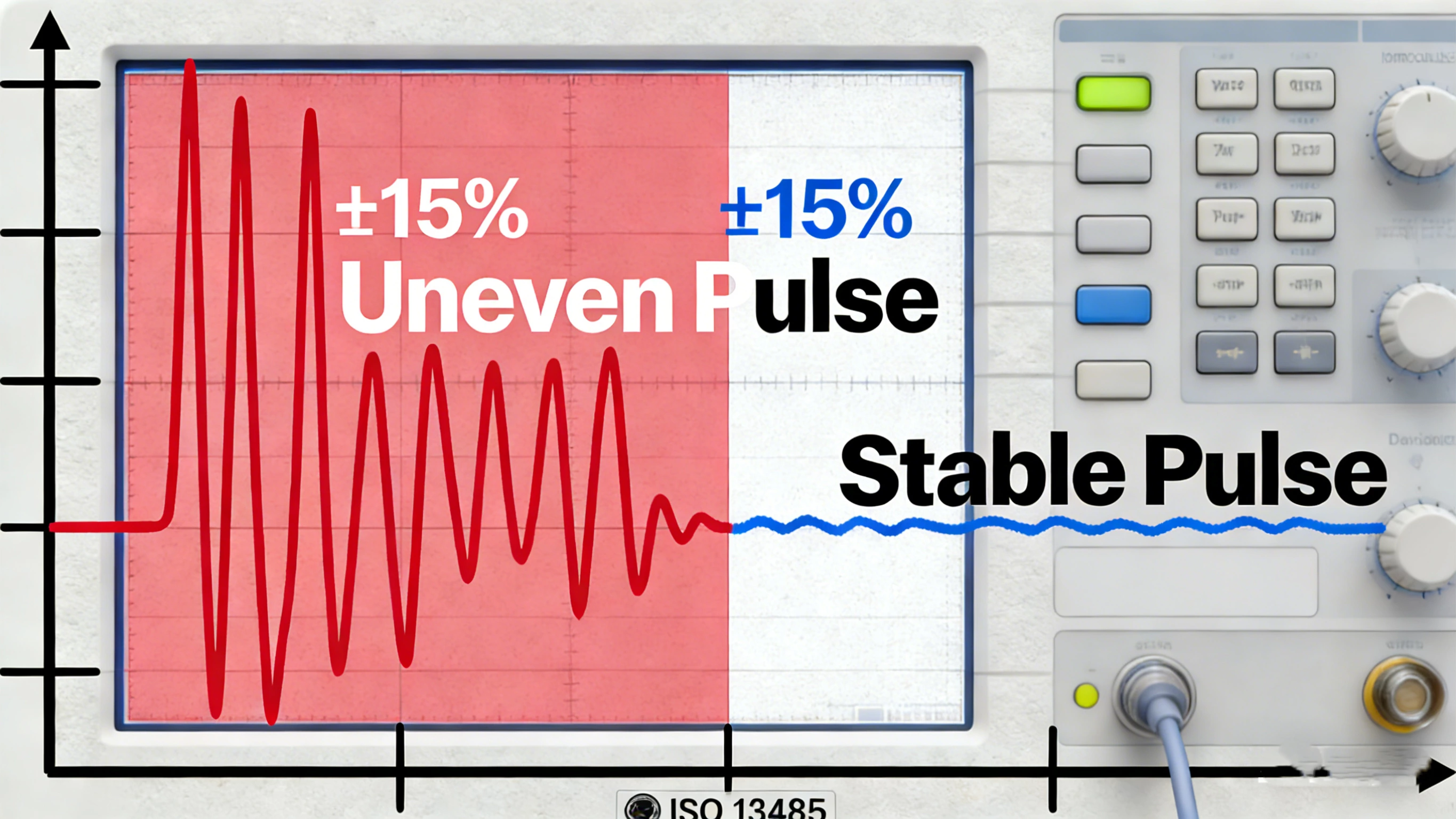
One of the most important indicators of a professional IPL system is its ability to deliver stable energy with every pulse. Variations in energy can lead to inconsistent treatment results or patient discomfort.
Systems like Lumenis M22 are engineered with advanced pulse control and energy stabilization technologies, ensuring predictable energy delivery throughout the treatment.
Reference: https://lumenis.com/solutions/aesthetic/products/m22/
Treatment Comfort and Pain Management
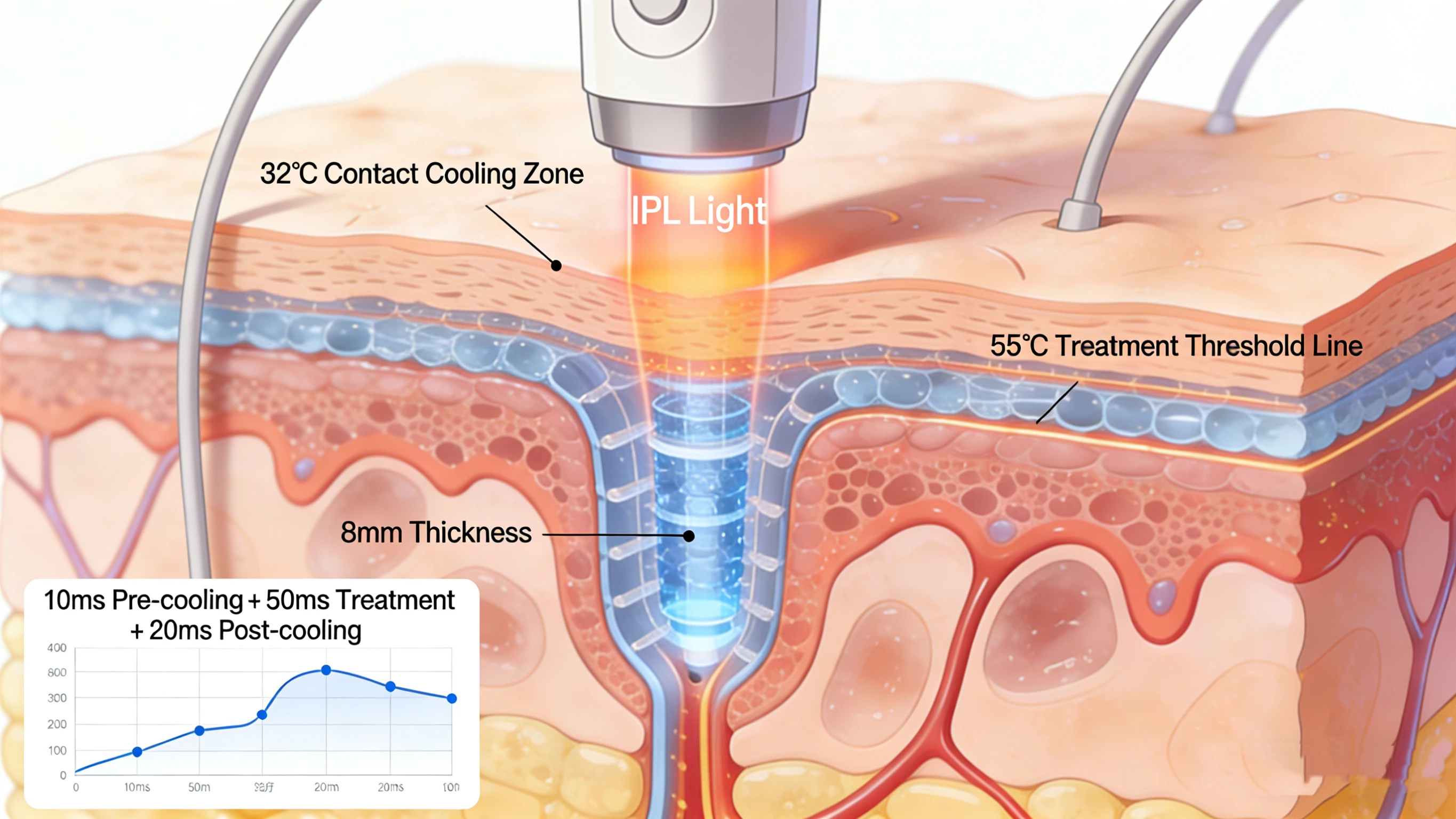
High-performance clinical IPL devices should balance effective energy with patient comfort. Comfort is achieved through:
-
Optimized pulse shaping
-
Contact cooling mechanisms
-
Ergonomic handpiece designs
These design elements help reduce surface heat without lowering therapeutic efficacy, maintaining both effectiveness and patient tolerability.
Treatment Speed and Operational Efficiency
In busy clinical environments, treatment speed matters. A professional IPL device should provide:
-
Fast pulse repetition
-
Large effective spot sizes
-
Quick energy recharge
These features allow clinicians to treat larger areas faster and reduce session time without compromising outcomes.
Quality Hardware for Long-Term Use
Professional IPL systems are expected to be used frequently and intensively. High-quality components such as durable xenon lamps, robust power supplies, and precision optical elements are essential for consistent long-term performance.
Devices designed for multi-technology platforms, such as those developed by Alma Lasers, demonstrate how premium hardware supports reliable clinical performance across indications.
Reference: https://almalasers.com/
Certification and Regulatory Compliance
A certified IPL device ensures strict compliance with regional safety and clinical performance standards. Certifications to look for include:
-
FDA clearance (USA)
-
CE marking (EU)
-
Local medical device approvals
These certifications confirm that the device has passed rigorous evaluations for safety and efficacy.
Professional IPL as an Industry Benchmark
Taken together, the above factors define what makes a “clinic-grade” IPL system. Platforms like Lumenis M22 and Alma Lasers’ multi-modality solutions continue to set industry benchmarks for performance, safety, and versatility.
From Professional IPL to Home-Use Mini IPL – The Evolution of Market Demand
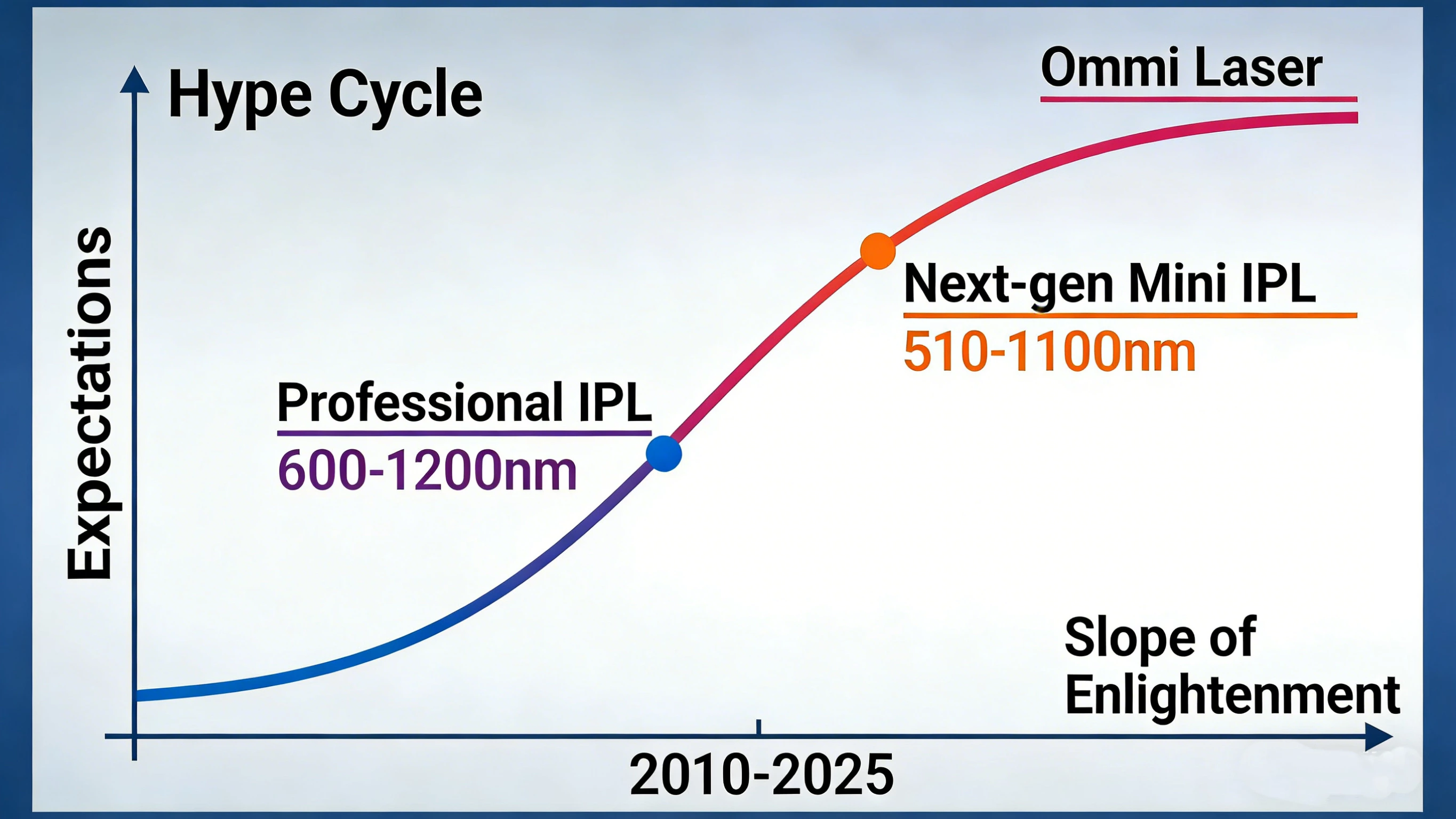
While professional IPL remains the highest standard for clinical performance, a broad shift is underway: users increasingly demand convenient, affordable, long-term solutions that fit daily life. This has given rise to at-home IPL devices, especially Mini and handheld IPL systems.
The Advantages of Professional IPL Systems
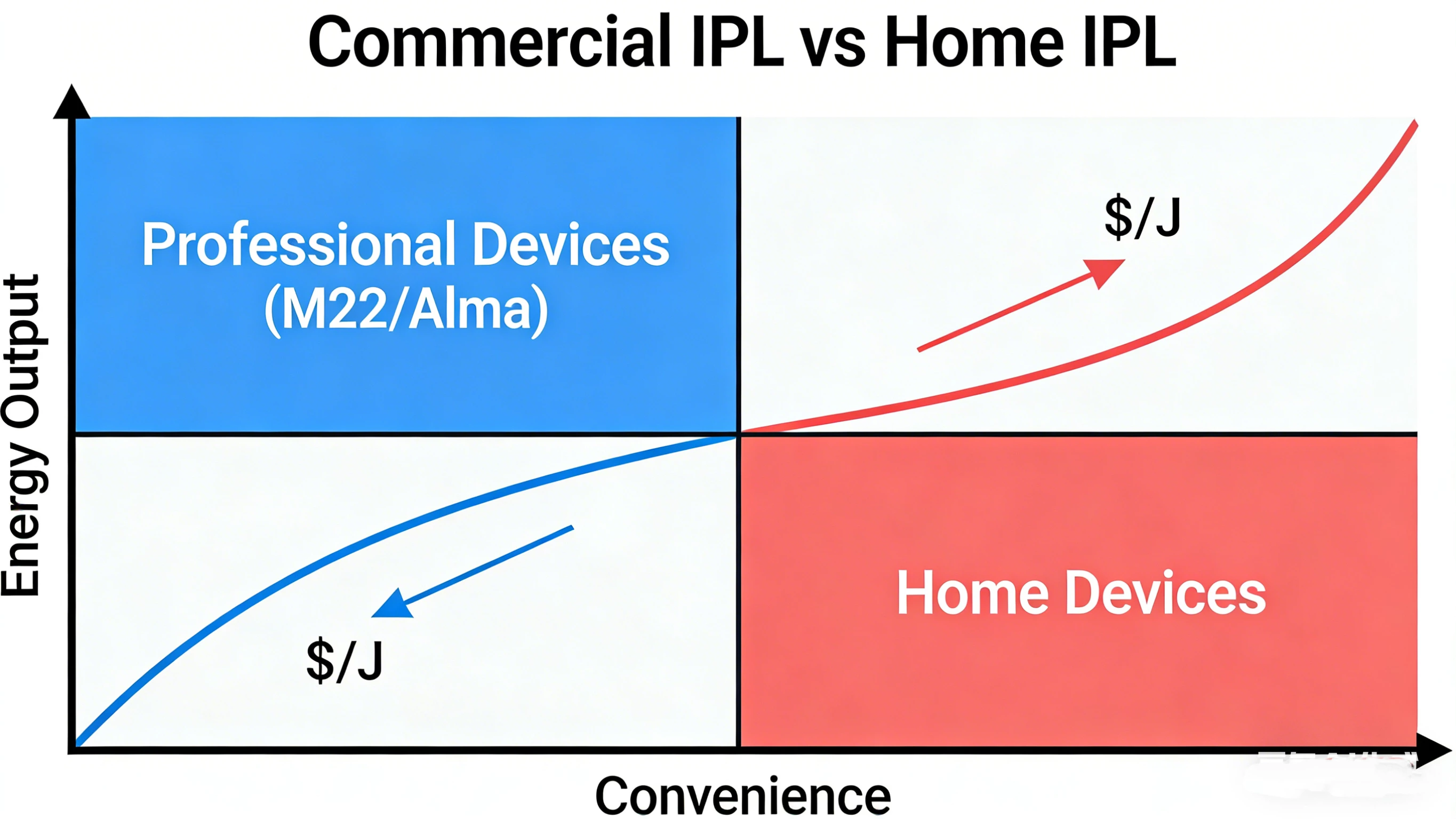
Professional IPL systems remain unmatched in areas including:
-
High energy output, enabling deeper tissue effects
-
Large spot sizes, improving treatment speed
-
Wide parameter flexibility, addressing multiple indications from pigmentation to vascular conditions
These advantages make professional IPL ideal for initial or complex clinical treatments.
Practical Limitations of Clinic-Based IPL Treatments
Despite their strengths, professional IPL treatments have limitations for routine personal use:
-
High cost per session over time
-
Dependence on clinic schedules and appointments
-
Travel and time commitments
For many users, these constraints limit accessibility and make long-term maintenance challenging.
The Growing Demand for At-Home IPL Devices
As skincare priorities shift toward ongoing management rather than episodic clinical visits, consumers are adopting at-home IPL devices for routine care. These devices offer:
-
Cost savings over repeated clinic treatments
-
Convenience and flexibility
-
Privacy and comfort
Industry reports indicate that the global demand for IPL hair removal and skin treatment devices is expanding rapidly, particularly in the home-use segment.
Mini / Handheld IPL as a Strategic Market Segment
Among at-home solutions, compact handheld IPL devices have become one of the fastest-growing categories. These units aim to bring together:
-
User-friendly design
-
Safety mechanisms appropriate for non-professional users
-
Convenient portability for routine use
Manufacturers with experience in professional IPL technologies are uniquely positioned to adapt the clinical principles of safety and performance into home-use formats. One example of this transition is Omni Laser, which applies mature IPL design principles to handheld systems aimed at both hair removal and skin rejuvenation.
Reference: https://www.omni-lasers.com/products/painfree-ipl-shr-machine-for-hair-removal-skin-rejuvenation
Conclusion of Part 3
In today’s aesthetic environment, choosing a professional IPL device requires careful evaluation of energy uniformity, comfort management, efficiency, hardware quality, and regulatory certification. Platforms such as Lumenis M22 and Alma Lasers’ solutions illustrate the industry’s performance benchmarks.
At the same time, user demand is shifting toward compact at-home IPL solutions that offer ease of use, convenience, and long-term cost savings. The emergence of handheld and Mini IPL formats, influenced by professional design principles from companies like Omni Laser, reflects this evolving landscape.
👉 In Part 4, we will explore how today’s handheld IPL devices are categorized into performance tiers, and what differentiates truly effective home IPL systems from basic consumer products.