Русский
 Türkçe
 中文
中文
IPL (Part 2) – What Can IPL Really Do, and Why Does It Work?
The Core Functions and Clinical Applications of IPL
As one of the most widely adopted light-based technologies in aesthetic medicine, IPL has evolved far beyond a single-function treatment tool. Its true value lies in its multi-functional capability, allowing one device to address a wide range of skin concerns through controlled light energy.
1. IPL Hair Removal: The Most Mature Application
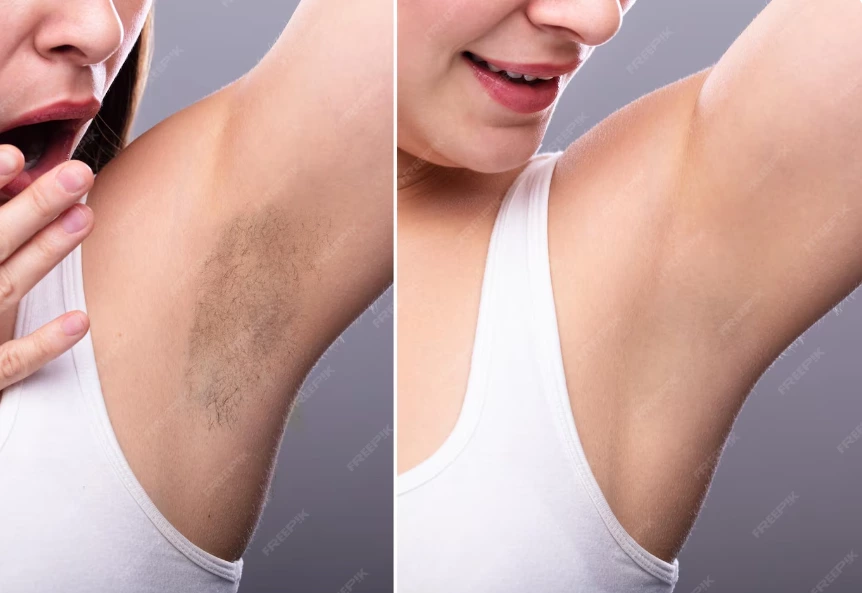
Hair removal is the most established and commercially successful application of IPL technology.
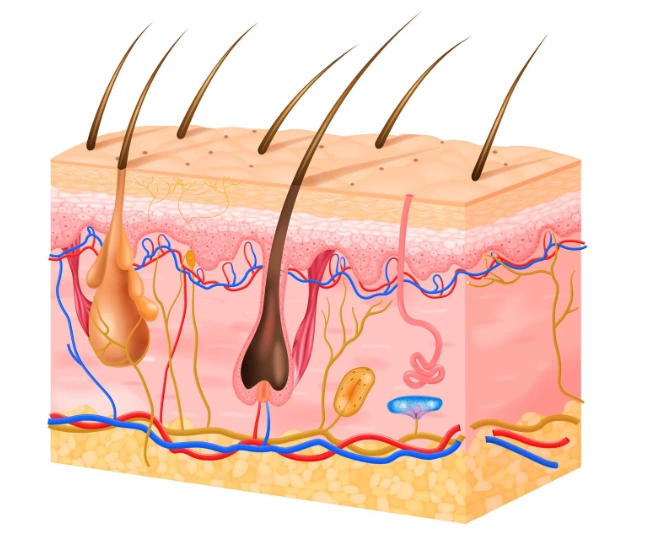
IPL emits broad-spectrum light that penetrates the skin and is selectively absorbed by melanin in the hair shaft and follicle. The absorbed light is converted into heat, which damages the follicular structure and inhibits future hair growth.
Compared with traditional laser hair removal, IPL offers:
-
Wider treatment coverage per pulse
-
Faster full-area treatments
-
Better adaptability across different body areas
This makes IPL especially suitable for long-term hair reduction in both professional clinics and home-use devices.
2. Skin Rejuvenation, Brightening, and Tone Improvement
Beyond hair removal, IPL is widely used for overall skin rejuvenation.
By targeting melanin and hemoglobin simultaneously, IPL can:
-
Reduce dullness and uneven skin tone
-
Improve skin brightness and clarity
-
Stimulate fibroblast activity and collagen remodeling
-
This is why IPL treatments are often described as “photofacials” in clinical settings. Unlike aggressive resurfacing treatments, IPL works gradually, making it suitable for maintenance-based skin care routines.
3. Pigmentation and Redness Reduction
IPL is highly effective for treating pigmented lesions and vascular-related redness, including:
-
Sun spots and age spots
-
Freckles and superficial pigmentation
-
Diffuse redness and mild telangiectasia
Specific wavelength ranges within IPL are absorbed by:
-
Melanin → breaking down pigmented clusters
-
Hemoglobin → reducing dilated capillaries and redness
Over multiple sessions, treated pigmentation darkens temporarily and is naturally metabolized by the skin.
4. Acne Management and Sebum Regulation
IPL also plays a role in acne and oil-control treatments.
Certain IPL wavelengths can:
-
Reduce Cutibacterium acnes activity
-
Modulate sebaceous gland function
-
Decrease inflammatory responses
This makes IPL particularly valuable for adult acne, post-acne redness, and oily skin management, especially when combined with other skincare or energy-based treatments.
5. The Comprehensive Advantage of Multi-Functional IPL Systems
What truly differentiates IPL from single-purpose technologies is its versatility.
A well-designed IPL system can:
-
Address multiple skin concerns with one platform
-
Adjust parameters for different skin types and goals
-
Serve both professional clinics and home-use markets
This multifunctionality is a key reason why IPL remains a long-term core technology in aesthetic devices.
Why IPL Works – The Science Behind Its Therapeutic Effects
Understanding why IPL produces visible results requires a deeper look into the biological interaction between light and skin tissue.
1. Selective Photothermolysis: The Core Principle
IPL operates based on the principle of Selective Photothermolysis, a foundational concept in light-based dermatology.
This principle means:
-
Specific chromophores (melanin, hemoglobin) selectively absorb light
-
Absorbed light converts into heat
-
Heat damages target structures while sparing surrounding tissue
2. From Light to Heat: How IPL Targets Skin Structures
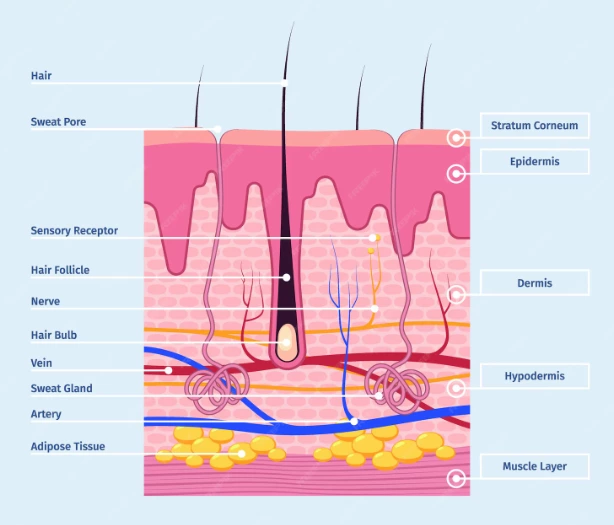
The IPL process follows a clear biological pathway:
-
Light energy penetrates the epidermis
-
Target chromophores absorb specific wavelengths
-
Light converts into thermal energy
-
Heat triggers biological responses:
-
Follicle damage (hair removal)
-
Pigment breakdown
-
Vascular coagulation
-
Collagen stimulation
-
The precision of this process depends heavily on energy stability and parameter control.
3. Wavelength Ranges and Skin Concerns
Unlike lasers, which emit a single wavelength, IPL uses a broad wavelength spectrum, typically filtered for targeted applications.
Different wavelength ranges correspond to different effects:
-
Shorter wavelengths: pigmentation and acne-related bacteria
-
Mid-range wavelengths: vascular redness
-
Longer wavelengths: deeper penetration for hair follicles and collagen
This is why IPL is inherently suitable for multi-indication treatments.
4. The Role of Energy, Pulse Width, and Frequency
Clinical outcomes are not determined by wavelength alone.
Key parameters include:
-
Energy fluence (J/cm²): Determines treatment effectiveness
-
Pulse width: Controls heat diffusion and tissue safety
-
Repetition frequency: Affects treatment speed and comfort
An imbalance in any of these parameters may result in:
-
Insufficient clinical effect
-
Excessive discomfort
-
Increased risk of adverse reactions
This is precisely why high-performance IPL systems require advanced power management and thermal control, even in compact or home-use designs.
Looking Ahead
With a clear understanding of what IPL can do and why it works, the next logical question becomes:
Can these professional-grade mechanisms be replicated in compact, home-use IPL devices without sacrificing effectiveness?
In Part 3, we will explore how market demand has driven the evolution from professional IPL systems to Mini and handheld IPL devices—and where current solutions succeed or fall short.