Русский
 Türkçe
 中文
中文
Red + Blue LED Light Therapy for Acne-Prone Skin Care
Red and blue LED light therapy is one of the most widely recognized multi-wavelength combinations in professional aesthetic skin care.
The reason is straightforward.
Blue and red light are typically used for different skin-care objectives.
Blue LED light is commonly associated with:
- acne-prone skin
- blemish-prone skin
- oily-looking skin
- skin clarity
- combination skin care
while:
Red LED light is more commonly associated with:
- skin rejuvenation
- skin conditioning
- visible texture
- radiance
- mature-looking skin
By combining the two wavelength ranges, professional aesthetic clinics can create a more complete treatment program for clients concerned not only with visible blemishes, but also with the overall appearance and condition of the skin.
This combination should not be positioned as a guaranteed medical treatment for acne.
Instead, it is more appropriate to describe red + blue LED as a professional aesthetic program for acne-prone, oily and blemish-prone skin combined with complementary skin conditioning.
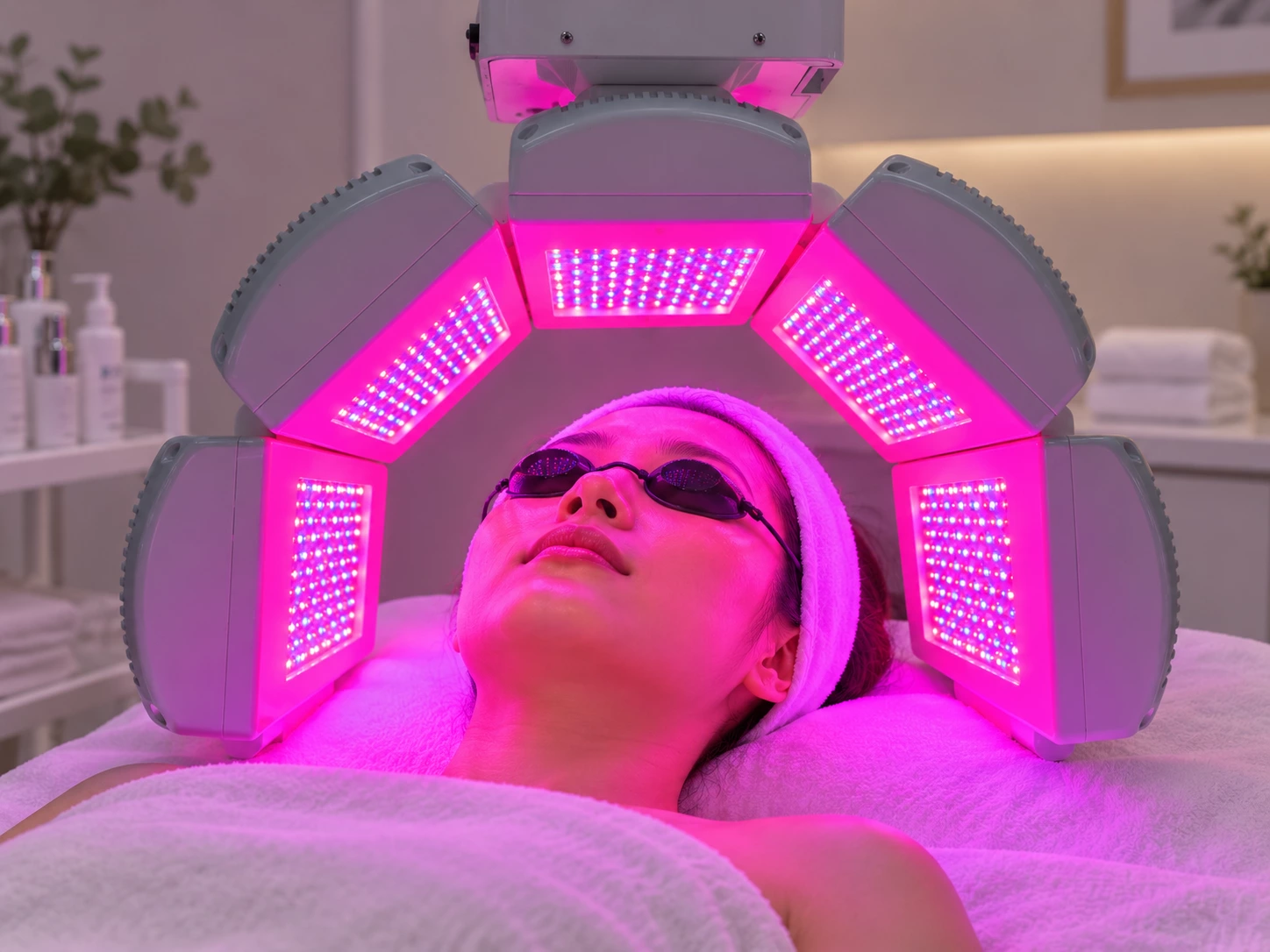
[Image 1: Red + Blue LED Light Therapy for Acne-Prone Skin Care]
Why Combine Red and Blue LED Light?
Using multiple LED wavelengths is not simply about adding more colors.
Each wavelength should have a clear role within the treatment program.
For red + blue LED therapy, the basic logic is:
Blue LED
Focused primarily on:
- acne-prone skin
- oily and blemish-prone skin
- clearer-looking complexion
- skin-balance programs
Red LED
Focused primarily on:
- skin conditioning
- rejuvenation
- texture
- radiance
- overall skin appearance
Together, these wavelengths can create a professional facial program that addresses two common concerns at the same time:
blemish-prone skin
and:
overall skin quality.
This makes the red + blue combination especially relevant for clients whose skin may appear both:
- blemish-prone
- stressed
- uneven
- dull
- unbalanced
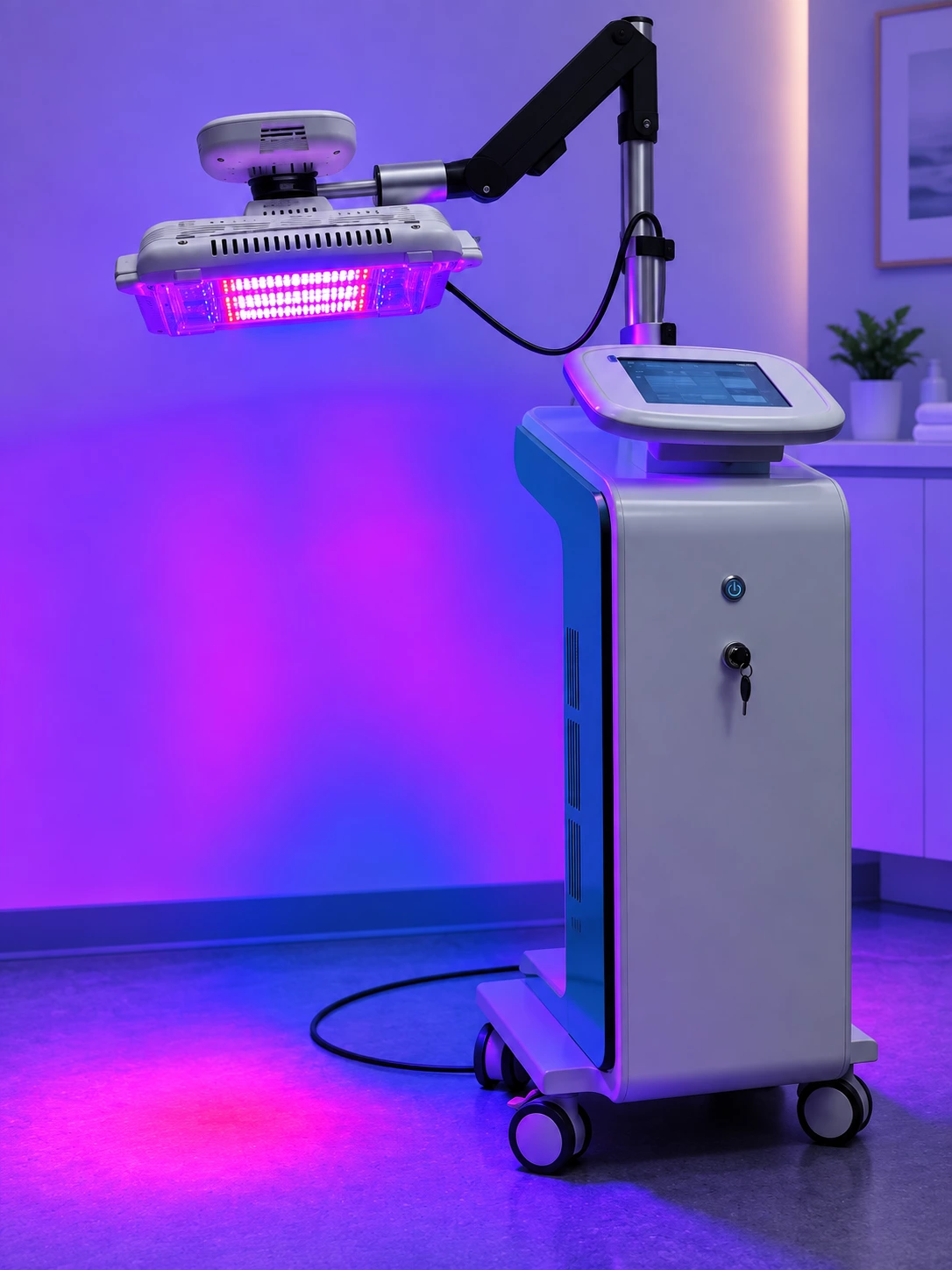
[Image 2: Professional Red + Blue LED Therapy Device]
The Role of Blue LED Light in Acne-Prone Skin Care
Blue LED light is particularly relevant to acne-prone skin because selected blue wavelengths interact with light-sensitive compounds associated with Cutibacterium acnes.
In published acne-related LED research, blue wavelengths around approximately:
405–420nm
and especially:
415nm
appear frequently.
For professional aesthetic communication, this means that shorter blue wavelengths have the clearest evidence base for acne-prone skin applications.
However, professional LED systems may also use longer visible blue wavelengths such as:
469nm
for broader aesthetic skin-care programs.
For Omni Laser, the distinction should remain clear:
415nm Blue Light
More strongly associated with published acne-related research.
469nm Blue Light
Better positioned around:
- oily skin
- blemish-prone skin
- professional blue-light skin care
- skin clarity
- combination facial programs
This distinction is important because not every blue wavelength should be treated as biologically identical.
The overall response also depends on:
- wavelength
- irradiance
- energy density
- treatment distance
- treatment time
- treatment protocol
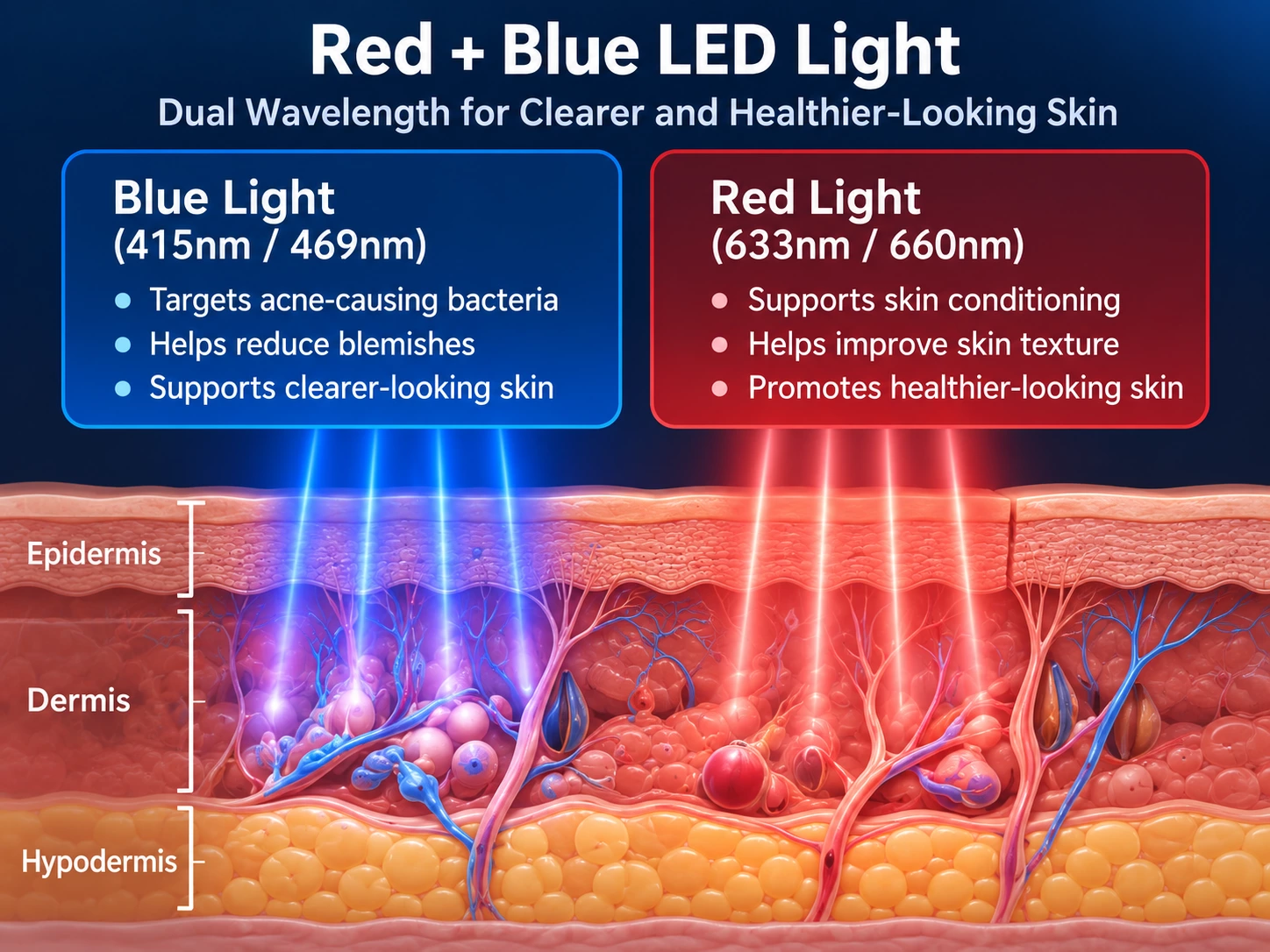
[Image 3: The Role of Blue LED Light in Acne-Prone Skin Care]
The Role of Red LED Light in Combination Therapy
Red LED light serves a different role.
Common professional red wavelengths include:
633nm
and:
660nm
These wavelengths are widely used in aesthetic programs focused on:
- skin rejuvenation
- skin texture
- skin radiance
- mature-looking skin
- overall skin conditioning
When red light is combined with blue light, its role is not to duplicate the blue-light function.
Instead, red LED complements the program by focusing on the broader appearance and condition of the skin.
This is why the red + blue combination can be particularly useful for clients who are concerned about both:
blemishes
and:
how their skin looks between or after breakouts.
For professional marketing, this can be described as:
Blue light for skin clarity + Red light for skin conditioning
That is a simple and accurate message.
Key Aesthetic Applications of Red + Blue LED Therapy
Acne-Prone Skin Care
This is the main application.
Red + blue LED therapy can be incorporated into professional facial programs for clients with:
- acne-prone skin
- recurring visible blemishes
- oily-looking skin
- combination skin
- visibly congested areas
The blue-light component is generally more directly associated with blemish-prone skin care.
The red-light component complements this by supporting overall skin appearance.
Blemish-Prone Skin
Not every client with visible blemishes has clinically diagnosed acne.
Many clients simply experience:
- recurring visible spots
- occasional breakouts
- skin congestion
- uneven-looking clarity
For these clients, red + blue LED can be incorporated into a broader professional skin-maintenance program.
This keeps the treatment clearly within aesthetic skin care.
Oily and Combination Skin
Oily skin frequently overlaps with blemish-prone skin.
Blue LED can form part of a professional program for oily or combination skin, especially where oiliness appears together with visible blemishes.
Red LED can then complement the program by supporting overall skin conditioning.
Avoid claims such as:
permanently controls sebum
or:
stops oil production
because oil production depends on many biological and lifestyle factors.
Skin Clarity and Balance
Clients often describe their goal not as:
“I want medical acne treatment”
but rather:
“I want my skin to look clearer and more balanced.”
This is exactly where a professional red + blue LED program can be positioned.
The treatment objective can be described as:
- clearer-looking skin
- more balanced complexion
- improved overall skin appearance
- gentle skin conditioning
- maintenance-oriented skin care
Post-Blemish Skin Conditioning
After visible blemishes improve, clients may still feel that their complexion appears:
- stressed
- uneven
- dull
- less radiant
Red LED can complement the blue-light component within a broader skin-conditioning strategy.
This makes the combination more comprehensive than a blue-only program.
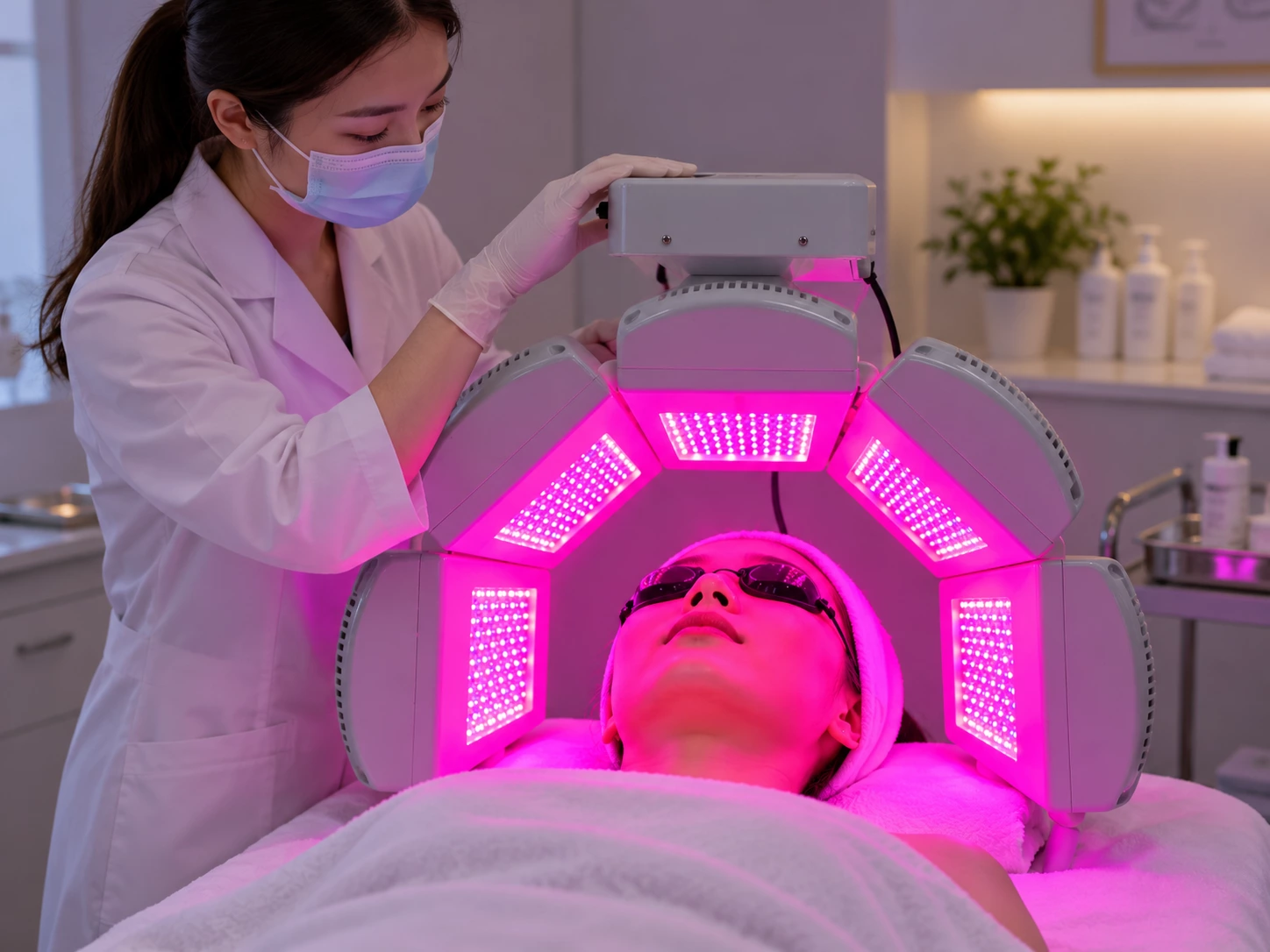
[Image 4: Red + Blue LED Facial Care for Clearer-Looking Skin]
415nm Blue + 633nm Red: Why Is This Combination Well Known?
One of the best-known red + blue combinations in published LED research is approximately:
415nm Blue + 633nm Red
This combination has been studied in acne-related phototherapy and has become one of the most recognizable wavelength pairings in professional LED skin care.
The basic rationale is:
415nm Blue
→ acne-prone and blemish-prone skin focus
633nm Red
→ complementary skin-conditioning and rejuvenation focus
This does not mean that every red + blue LED device must use exactly these wavelengths.
Different professional systems may use other configurations.
However, the treatment claims should always match the actual wavelength configuration.
For example, a device using:
469nm Blue + 633nm Red
should not automatically inherit every published claim from a:
415nm Blue + 633nm Red
study.
A more professional approach is to explain that:
Red and blue wavelengths can play complementary aesthetic roles, while the exact biological response depends on the selected wavelengths and treatment parameters.
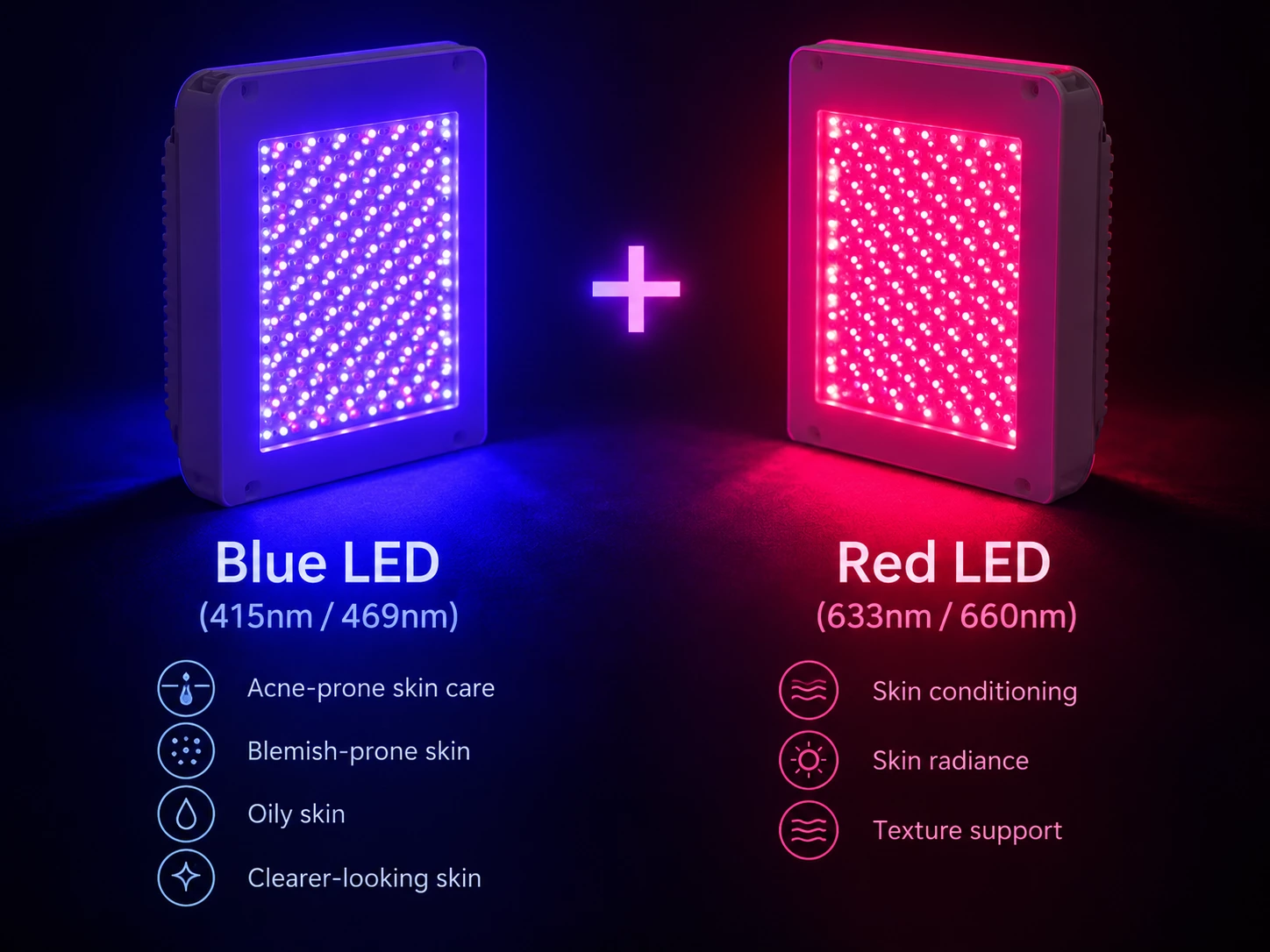
[Image 5: 415nm Blue + 633nm Red LED Combination]
469nm Blue + Red LED Therapy
Because Omni Laser systems may incorporate 469nm blue light, this deserves its own clear explanation.
469nm is still within the visible blue region, but it is a longer blue wavelength than 415nm.
For professional aesthetic applications, 469nm can be positioned around:
- oily-looking skin
- blemish-prone skin
- skin clarity
- combination skin care
- multi-wavelength facial programs
When combined with red LED, the treatment logic becomes:
469nm Blue
→ broader blue-light skin conditioning and clarity
plus:
633nm or 660nm Red
→ skin rejuvenation and overall complexion care
This is a suitable professional aesthetic positioning.
However, it is important not to state that:
469nm has exactly the same acne-related evidence as 415nm.
That distinction makes the Omni Laser content more credible.
Red + Blue LED vs Blue LED Alone
Blue LED alone can be appropriate when the primary objective is:
- acne-prone skin
- blemish-prone skin
- oily skin
- skin clarity
Red + blue LED becomes more relevant when the clinic wants to address:
blemish-prone skin
plus:
overall skin appearance and conditioning.
The practical distinction can be summarized as:
Blue Only
More focused.
Primary concern:
clarity / blemish-prone skin
Red + Blue
Broader.
Primary concerns:
clarity + conditioning + rejuvenation support
Neither approach should automatically be described as universally better.
The appropriate choice depends on the client's skin condition and treatment objective.
Who Is Red + Blue LED Therapy Suitable For?
Within professional aesthetic skin care, red + blue LED programs may be considered for clients concerned with:
- acne-prone skin
- blemish-prone skin
- oily skin
- combination skin
- recurring visible blemishes
- congested-looking skin
- uneven-looking skin clarity
- stressed-looking complexion
- clients seeking combined skin clarity and rejuvenation
Treatment selection should always consider:
- individual skin condition
- professional assessment
- actual wavelength configuration
- treatment history
- device output
- treatment protocol
How Is Red + Blue LED Therapy Used in Professional Aesthetic Clinics?
Combination Facial Program
A professional program may include:
cleansing
↓
skin preparation
↓
blue LED care
↓
red LED conditioning
or the wavelengths may be delivered according to the system's programmed treatment protocol.
Blemish-Prone Skin Program
The clinic may use red + blue LED as part of a broader program for clients with recurring visible blemishes.
The treatment can complement:
- professional cleansing
- skin-care products
- maintenance facial programs
Oily and Combination Skin Program
For oily or combination skin, blue LED can provide the main clarity-oriented component.
Red LED can complement this with skin-conditioning support.
Maintenance Program
LED therapy is often used within repeat professional skin-care programs.
For clients with recurring blemish concerns, clinics may use red + blue LED as part of a longer-term maintenance strategy.
Multi-Wavelength Program
Red + blue LED can also form part of a larger multi-wavelength platform.
However, additional colors should only be included when they serve a clearly defined skin-care purpose.
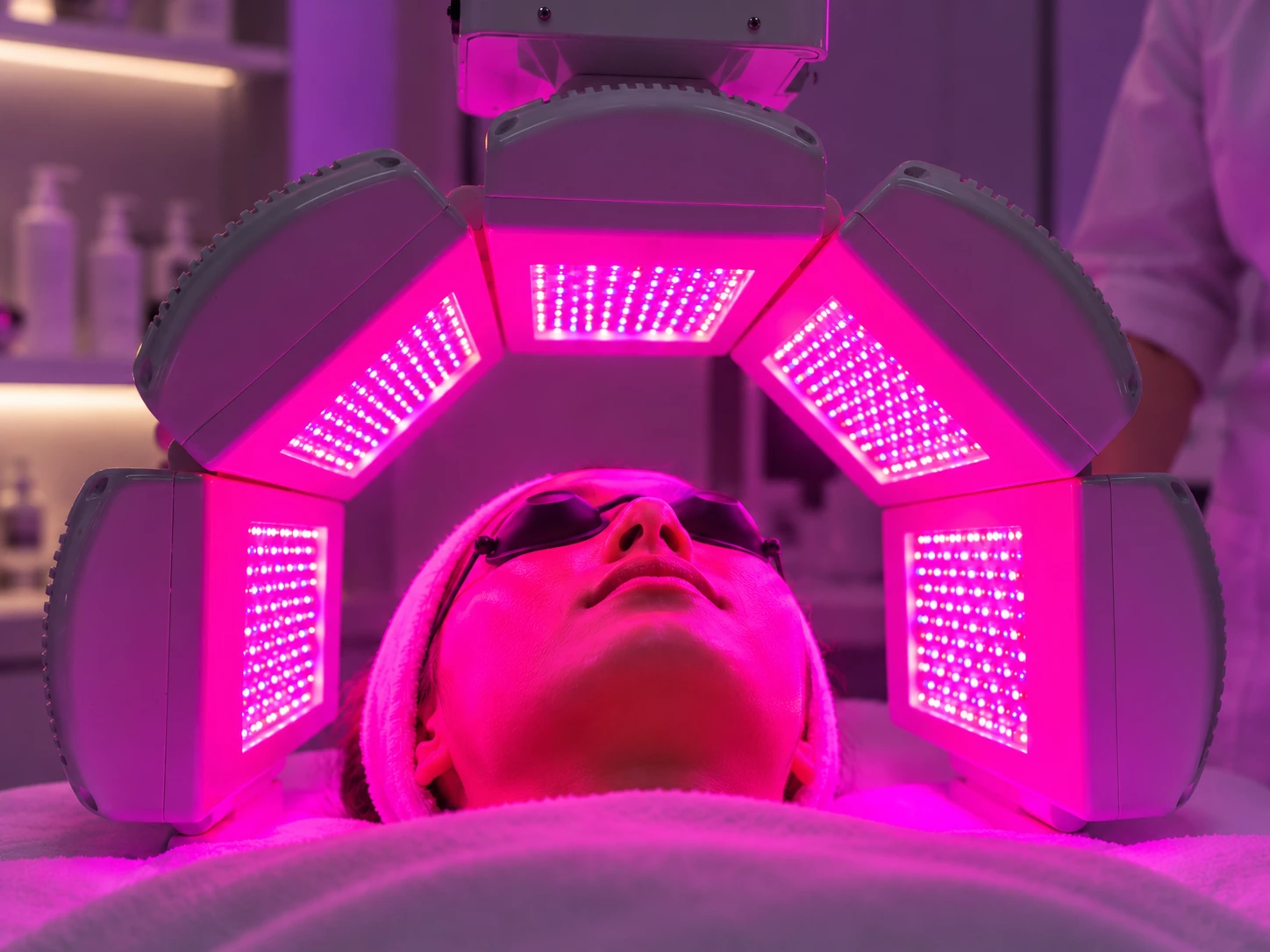
[Image 6: Professional Red + Blue LED Treatment in Aesthetic Clinics]
Red + Blue LED vs Red LED Alone
Red LED alone is primarily positioned around:
- skin rejuvenation
- texture
- radiance
- mature-looking skin
- overall conditioning
Red + blue LED is more appropriate when:
blemish-prone or oily skin is also a concern.
This keeps the role of each Treatment page clear.
Red LED Page
Search intent:
Skin Rejuvenation
Red + Blue LED Page
Search intent:
Acne-Prone / Blemish-Prone Skin + Skin Conditioning
This separation is also useful for SEO because the two pages are not competing for exactly the same keyword intent.
Red + Blue LED vs Yellow + Red LED
These two combinations should also have different positioning.
Red + Blue LED
Primary focus:
- acne-prone skin
- blemish-prone skin
- oily skin
- skin clarity
- skin conditioning
Yellow + Red LED
Primary focus:
- sensitive-looking skin
- redness-prone skin
- gentle conditioning
- rejuvenation
This distinction helps clinics understand which combination is more appropriate for different aesthetic concerns.
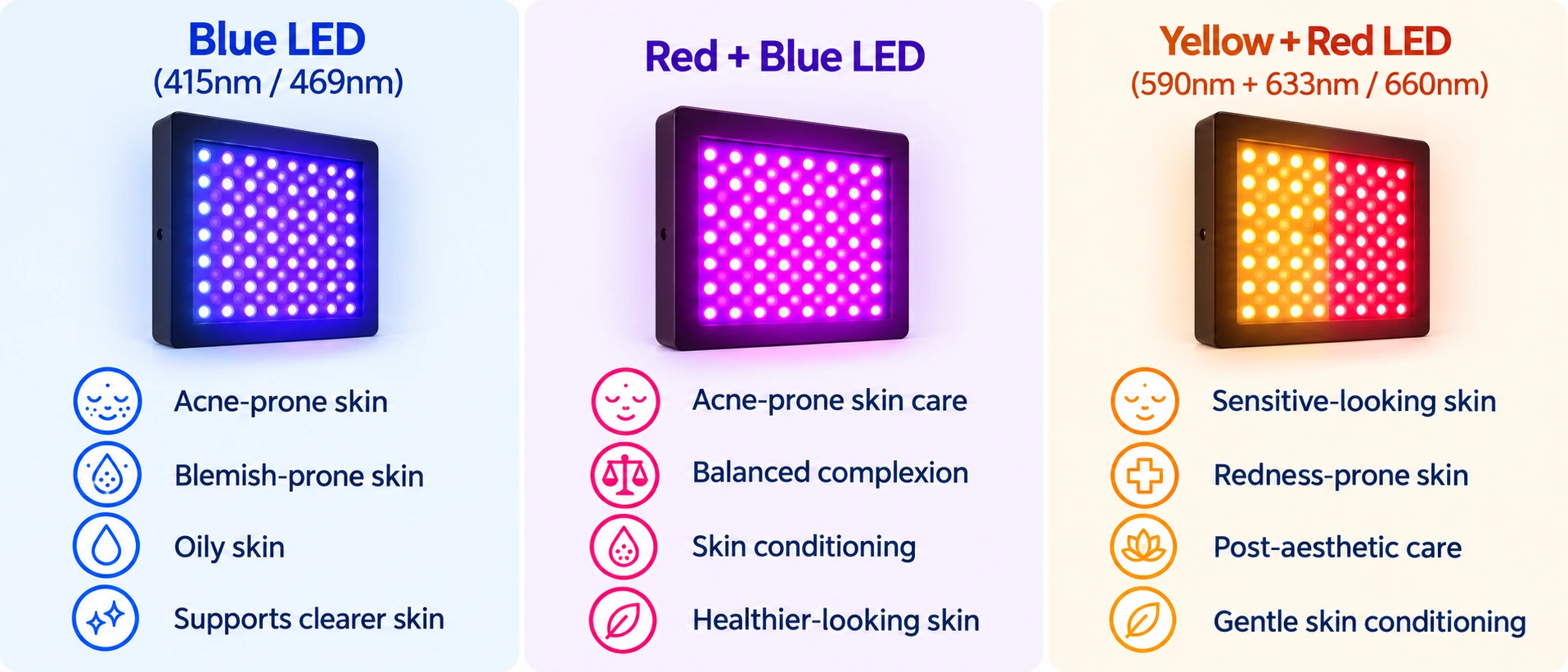
[Image 7: Red + Blue LED vs Yellow + Red LED Skin Care Programs]
What Determines the Performance of a Professional Red + Blue LED System?
Wavelength Configuration
A professional buyer should know the actual wavelengths used.
Examples may include:
415nm Blue
469nm Blue
633nm Red
660nm Red
The label “Blue + Red” alone is not enough for technical evaluation.
Irradiance
Irradiance indicates the optical power delivered across the treatment area.
It is commonly expressed in:
mW/cm²
Energy Density
Energy density represents the total optical energy delivered over the treatment period.
It is commonly expressed in:
J/cm²
Treatment Sequence
A professional system may deliver wavelengths:
- simultaneously
- sequentially
- according to preset protocols
depending on its design.
The treatment sequence should match the intended aesthetic objective.
Treatment Distance
Distance between the LED panels and the skin affects actual delivered irradiance.
Optical Uniformity
Professional facial treatment requires relatively even light coverage across:
- forehead
- cheeks
- chin
- jawline
Treatment Area
Multi-panel systems can provide broader facial coverage than small localized LED sources.
Protocol Design
A study protocol from one device should not automatically be copied to another.
Professional performance depends on:
wavelength + irradiance + energy density + distance + treatment time + treatment sequence + treatment area
rather than simply using two colors.
Professional Red + Blue LED Therapy Systems from Omni Laser
Omni Laser develops professional multi-wavelength LED phototherapy systems for:
- aesthetic clinics
- professional skin-care centers
- medical-aesthetic practices
- distributors
- beauty equipment brands
- OEM/ODM partners
Depending on system configuration, Omni Laser LED platforms can incorporate:
Blue Light
including configurations such as 469nm
and:
Red Light
including wavelengths such as 633nm or 660nm
along with other selected LED wavelengths.
For red + blue professional programs, Omni Laser focuses on a clear treatment logic:
Blue LED
→ acne-prone / oily / blemish-prone skin care
Red LED
→ skin conditioning / rejuvenation / radiance
Omni Laser professional LED systems are available in multi-panel configurations including:
3-Panel System
and:
5-Panel System
These systems are designed to provide broad treatment-area coverage for professional aesthetic applications.
Professional buyers should evaluate:
- exact wavelength configuration
- LED quantity
- irradiance
- energy density
- treatment distance
- panel geometry
- optical uniformity
- treatment sequence
- software protocols
- system stability
- OEM/ODM options
- regulatory documentation
rather than simply selecting a device because it offers multiple colors.
Frequently Asked Questions About Red + Blue LED Therapy
What is red and blue LED light therapy used for?
In professional aesthetic skin care, red + blue LED therapy is commonly incorporated into programs for acne-prone, blemish-prone and oily skin while also supporting overall skin conditioning and appearance.
Why combine blue and red LED light?
Blue LED is primarily associated with skin clarity and blemish-prone skin care, while red LED is more strongly associated with skin conditioning and rejuvenation.
Combining them allows a clinic to address both objectives within one broader program.
What blue wavelength is commonly used in red + blue LED therapy?
Approximately 415nm blue light is widely recognized in acne-related LED research.
Professional systems may also use other blue wavelengths, including 469nm, depending on the intended skin-care application.
Can 469nm blue light be combined with red LED?
Yes.
469nm blue light can be combined with red LED in professional aesthetic programs for blemish-prone, oily or combination skin together with skin conditioning.
However, the evidence specific to 469nm should not be treated as identical to 415nm research.
What red wavelengths are commonly used?
Professional red LED systems commonly use wavelengths such as:
633nm
and:
660nm
Is red + blue LED suitable for oily skin?
It can be incorporated into professional programs for oily and combination skin, particularly when oiliness occurs together with visible blemishes or skin-congestion concerns.
Is red + blue LED better than blue light alone?
Not necessarily.
Blue-only treatment may be appropriate when the main objective is skin clarity.
Red + blue may be more suitable when the clinic also wants to include broader skin-conditioning or rejuvenation support.
Can red + blue LED treat acne?
For professional marketing, it is better to describe red + blue LED as part of acne-prone and blemish-prone skin care rather than as a guaranteed medical acne treatment.
Can red + blue LED be used repeatedly?
Professional LED programs may include repeat sessions depending on:
- device parameters
- client condition
- professional assessment
- treatment protocol
How should clinics choose a professional red + blue LED system?
Clinics and distributors should evaluate:
- actual wavelengths
- irradiance
- energy density
- optical uniformity
- treatment distance
- panel design
- treatment area
- treatment sequence
- system stability
- manufacturer support
rather than judging the device simply by the number of LED colors.
Professional Red + Blue LED Solutions for Acne-Prone Skin Care
Red + blue LED therapy provides a clear and practical multi-wavelength approach for modern professional aesthetic skin care.
The treatment logic is simple:
Blue LED
for:
acne-prone / blemish-prone / oily skin care
plus:
Red LED
for:
skin conditioning / rejuvenation / overall appearance
Together, they can form a broader professional program for clients who want:
clearer-looking skin
and:
a more balanced, revitalized-looking complexion.
For Omni Laser, the key is to match marketing claims to the actual wavelength configuration.
Where systems use 415nm blue light, stronger acne-related research can be referenced.
Where systems use 469nm blue light, the more appropriate positioning is broader professional blue-light skin care combined with red-light conditioning.
This wavelength-specific approach makes the entire LED Therapy series more credible and easier for clinics and distributors to understand.
Explore Omni Laser Professional LED Therapy Systems →
Learn More About Blue LED Light Therapy for Acne-Prone Skin →
Learn More About Red LED Light Therapy for Skin Rejuvenation →
Contact Omni Laser for Professional LED Therapy OEM/ODM Solutions →