Русский
 Türkçe
 中文
中文
IPL (Part 1) – Understanding the Market and Technology Behind At-Home Skincare Solutions
IPL Market Overview – From Professional Clinics to Home Devices
The global IPL (Intense Pulsed Light) market has experienced significant growth over the last decade. Traditionally, professional IPL systems have been the benchmark in medical aesthetics, widely used in dermatology clinics, medical spas, and beauty centers. These systems are recognized for their high energy output, rapid efficacy, and reliability.
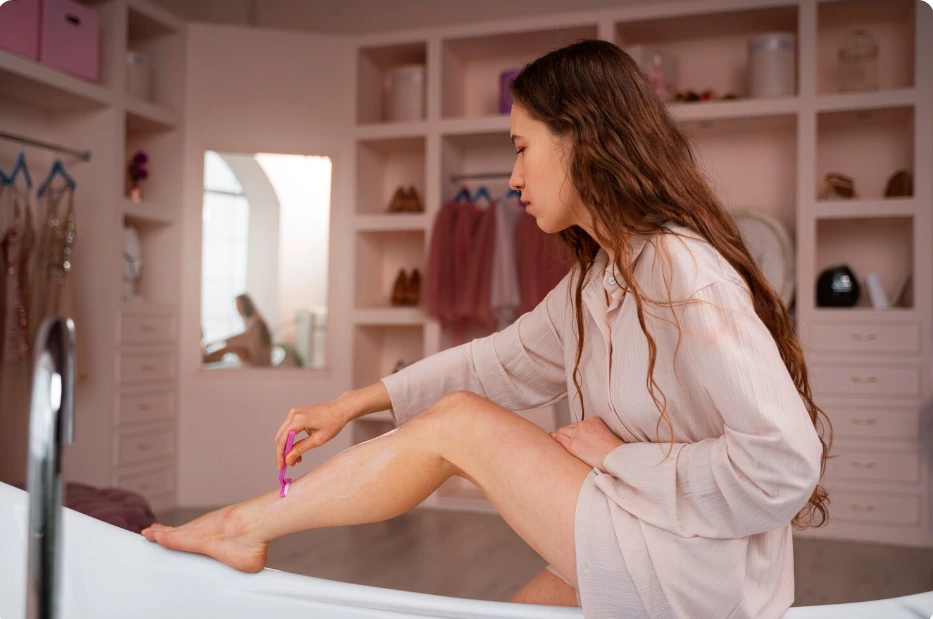
However, home-use IPL devices are growing even faster. Consumers are no longer satisfied with occasional clinical visits and are increasingly seeking long-term, at-home treatments that allow them to manage their skincare routine on their own terms.

Key Factors Driving the Home IPL Market
-
Accessibility and Convenience
Home IPL devices eliminate the need for clinic appointments, travel, or scheduling. Users can treat multiple areas at their own pace, making it easier to maintain consistent results. -
Cost-Effectiveness
While professional treatments can cost hundreds per session, investing in a home-use IPL device provides long-term savings for regular hair removal or skin rejuvenation. -
Privacy and Comfort
Home devices allow treatments to be conducted in the privacy of one’s own space, appealing to consumers who prefer discretion over visiting public clinics. -
Growing Awareness of Skincare Technology
As consumers become more educated about aesthetic technologies, they demand professional-grade results at home. This trend drives manufacturers to innovate compact, safe, and effective devices suitable for personal use.
Market Insight: According to Statista and Grand View Research, the global home-use IPL market is expected to grow at a CAGR of 12–15% from 2025 to 2030, outpacing the professional segment. This indicates a strong consumer preference for convenient, safe, and cost-effective at-home solutions.
Professional IPL vs Home IPL
| Feature | Professional IPL | Home-Use IPL |
|---|---|---|
| Energy Output | High | Medium to High |
| Treatment Speed | Fast | Moderate |
| Safety Measures | Controlled by staff | Built-in user safety |
| Price | High | Affordable for consumers |
| Use Scenario | Clinics & Spas | At-home care |
While professional IPL remains the gold standard for efficacy, home-use devices have become the fastest-growing segment, particularly among consumers who prioritize convenience, cost, and privacy.
Understanding IPL Technology – How It Works
IPL, or Intense Pulsed Light, is a broad-spectrum light technology used in aesthetic treatments. Unlike traditional lasers that emit a single wavelength, IPL delivers multiple wavelengths in each pulse, allowing it to target different chromophores (melanin, hemoglobin, etc.) for various skin treatments.
Core Components of an IPL Device
-
Light Source
Most IPL devices use a xenon lamp or LED array, capable of generating a wide spectrum of light. -
Filters
Filters selectively allow specific wavelength ranges to pass, making the treatment precise for hair removal, pigmentation, or vascular lesions. -
Energy Control System
Regulates pulse intensity, duration, and frequency, ensuring effective results while maintaining safety.
Why IPL Is Ideal for Multi-Functional Devices
IPL’s adjustable wavelength and pulse parameters make it suitable for multiple skin concerns in a single device:
-
Hair Removal: Targets melanin in hair follicles.
-
Skin Rejuvenation & Brightening: Stimulates collagen and reduces uneven skin tone.
-
Pigmentation & Redness Correction: Addresses age spots, sun spots, and mild vascular lesions.
-
Acne & Sebum Management: Reduces oil production and calms inflammation.
This versatility makes IPL devices an all-in-one solution, capable of meeting the needs of both professionals and home users.
IPL vs Laser: Understanding the Difference
| Feature | Laser | IPL |
|---|---|---|
| Wavelength | Single | Multiple |
| Focus | Highly precise | Broader |
| Applications | Single-target | Multi-functional |
| Flexibility | Low | High |
| Common Use | Clinics & spas | Clinics & home-use |
Because IPL is broad-spectrum and adjustable, it is perfect for multi-functional beauty devices, allowing one device to perform multiple treatments safely and efficiently.
IPL in Home Devices
The shift toward mini IPL devices is a direct result of consumer demand for professional results at home. Modern handheld IPL devices are designed to balance:
-
Safety: Built-in skin contact sensors, energy limits
-
Effectiveness: Optimized energy output for hair and skin treatments
-
Convenience: Compact, portable, easy to operate
Reference: Leading brands like Lumenis and Cynosure provide official explanations of IPL’s multi-wavelength principle, supporting its multi-functional applications in both clinical and home settings.
Summary of Part 1
The IPL market is expanding rapidly, especially in the home-use segment, driven by convenience, cost-efficiency, and consumer education. IPL technology, with its broad-spectrum light pulses, adjustable energy, and pulse parameters, enables multiple skin treatments from a single device. These factors set the stage for the rise of mini IPL devices, which combine safety, effectiveness, and portability for at-home users.
Up Next in Part 2: We will explore IPL’s main functions and clinical applications, as well as why IPL works at the scientific level—covering Chapters 3 and 4 with detailed insights and references.