Русский
 Türkçe
 中文
中文
IPL Vascular Treatment for Facial Redness and Visible Capillaries
IPL Vascular Treatment for Facial Redness and Visible Capillaries
Facial redness and visible capillaries are common aesthetic concerns seen in professional skin clinics.
They may appear as fine red or purple vessels, diffuse redness or small areas of telangiectasia, particularly around the nose, cheeks and chin.
Professional light-based technologies such as IPL (Intense Pulsed Light) can be used to target selected vascular concerns by delivering controlled light energy that is preferentially absorbed by hemoglobin within superficial blood vessels.
For aesthetic clinics, IPL provides a versatile solution because vascular treatment can often be combined within the same platform used for pigmentation, skin rejuvenation, acne management and hair removal.
A. How Do Facial Vascular Concerns Form?
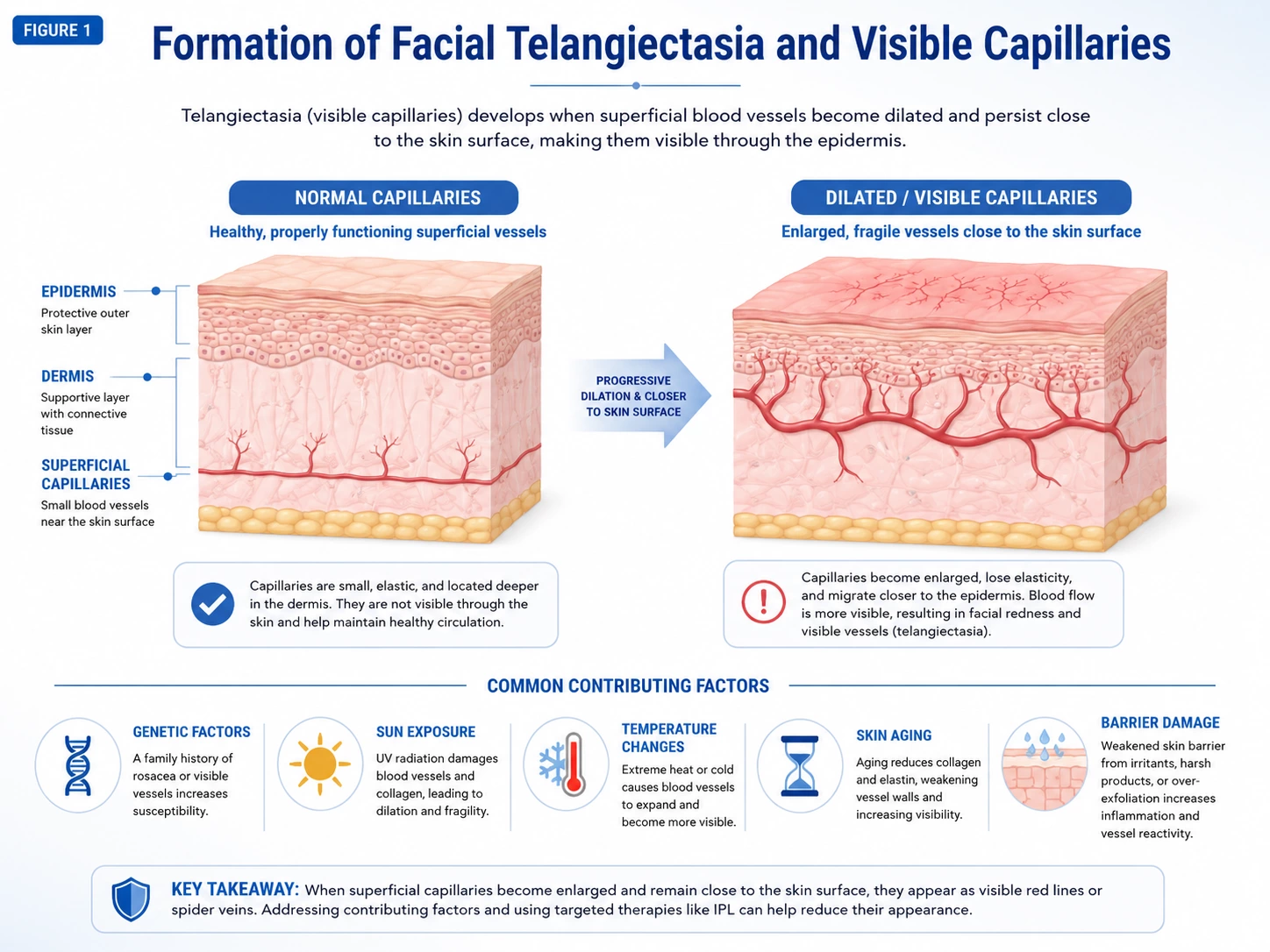
Small blood vessels called capillaries are located throughout the skin and play an important role in supplying oxygen and nutrients to surrounding tissues.
When these superficial vessels become enlarged, dilated or more visible through the skin, they may appear as:
- Facial telangiectasia
- Visible capillaries
- Diffuse facial redness
- Spider-like vessels
- Redness around the nose and cheeks
Several factors may contribute to the development or increased visibility of superficial blood vessels.
These may include:
- Genetic predisposition
- Chronic sun exposure
- Repeated hot and cold temperature changes
- Skin aging
- Reduced vascular elasticity
- Certain inflammatory skin conditions
- Environmental exposure
- Skin barrier damage
The depth, diameter and color of vascular structures can vary significantly between individuals, which means professional treatment parameters should be customized accordingly. Vessel depth and diameter are important considerations in light-based vascular treatment.
B. Why Can IPL Be Used for Vascular Treatment?
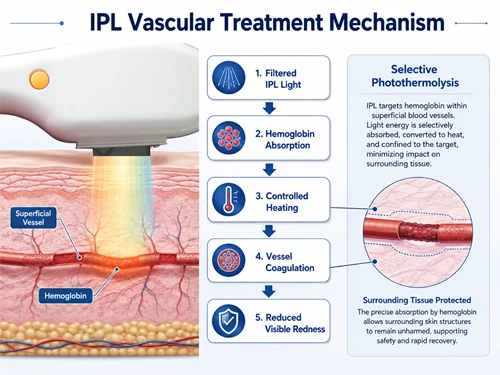
IPL vascular treatment is based primarily on the principle of selective photothermolysis.
The treatment aims to deliver light energy that is preferentially absorbed by hemoglobin within targeted blood vessels while minimizing unnecessary thermal effects in surrounding tissue.
The basic process is:
1. IPL Light Reaches the Vascular Target
Filtered IPL energy penetrates the skin and reaches superficial vascular structures.
↓
2. Hemoglobin Absorbs Light Energy
Hemoglobin acts as an important chromophore within the blood vessel.
Selected wavelengths of light are absorbed more strongly by hemoglobin than by some surrounding tissues.
↓
3. Light Energy Is Converted into Heat
The absorbed optical energy is converted into controlled thermal energy.
↓
4. Thermal Effects Occur Within the Vessel
The temperature of the targeted vessel increases, which may cause coagulation and thermal injury to the vascular structure.
↓
5. The Visible Vessel Gradually Becomes Less Noticeable
Following treatment, the targeted vessel may gradually be cleared or become less visible as part of the body's natural response.
This principle is widely used in light- and laser-based treatment of vascular lesions.
C. Why Can AFT IPL Technology Support Vascular Applications?
AFT-based IPL systems are designed to deliver filtered broad-spectrum light with controlled pulse characteristics.
For vascular applications, wavelength selection is important because different wavelengths penetrate to different depths and interact differently with hemoglobin.
Professional IPL systems can therefore adjust treatment parameters according to factors such as:
- Vessel depth
- Vessel diameter
- Vessel color
- Skin type
- Treatment area
- Background pigmentation
Research comparing IPL and laser vascular treatment has shown that appropriately filtered IPL can be used to target facial telangiectasia and vascular concerns.
Rather than using a single fixed wavelength for every patient, the flexibility of IPL allows the operator to select suitable filters and treatment parameters for different vascular presentations.
D. What Vascular Concerns Can Professional IPL Systems Address?
Depending on the system configuration and clinical indication, IPL may be used in professional aesthetic practice for concerns such as:
Facial Telangiectasia
Fine visible superficial vessels commonly found around the nose and cheeks.
Diffuse Facial Redness
Generalized facial redness may involve multiple superficial vascular structures.
Visible Capillaries
Small superficial vessels that become more noticeable through the skin.
Selected Rosacea-Associated Redness
Light-based devices including IPL are commonly discussed in clinical literature for facial erythema and telangiectasia, including vascular manifestations associated with rosacea.
Treatment suitability should always be determined by a qualified professional based on the underlying cause of redness.
E. Why Are Professional Treatment Parameters Important?
Vascular treatment is highly dependent on proper parameter selection.
Important factors include:
- Wavelength range
- Fluence
- Pulse duration
- Pulse structure
- Vessel diameter
- Vessel depth
- Skin pigmentation
- Epidermal cooling
The objective is to produce sufficient thermal effects within the target vessel without causing unnecessary damage to surrounding structures.
Professional cooling systems are particularly important because they can help protect the epidermis and improve treatment comfort. Epidermal cooling is a recognized method for reducing treatment-related adverse effects in light-based vascular procedures.
F. IPL Vascular Treatment vs. Vascular Laser Treatment
Both IPL and vascular lasers can be used for selected vascular skin concerns, but they operate differently.
| Feature | IPL Vascular Treatment | Vascular Laser |
|---|---|---|
| Light Source | Broad-spectrum filtered light | Specific wavelength |
| Wavelength Flexibility | Multiple filter options | Fixed or narrow wavelength |
| Main Advantage | Multi-application platform | Highly targeted vascular treatment |
| Pigmentation Applications | Yes | Technology-dependent |
| Skin Rejuvenation | Yes | Technology-dependent |
| Clinic Positioning | Versatile aesthetic system | Specialized vascular platform |
Lasers such as 532 nm and 595 nm systems are widely used for vascular applications, while IPL offers the advantage of broad-spectrum filtering and multi-treatment versatility.
G. Professional IPL Vascular Treatment in Aesthetic Clinics
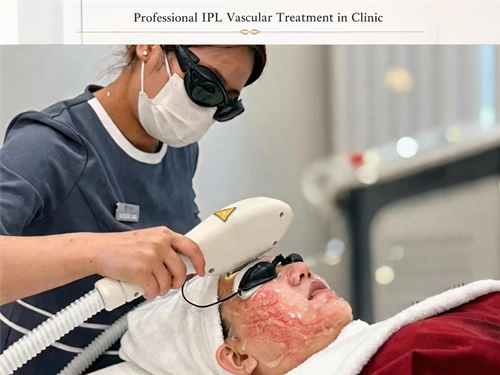
Professional IPL vascular treatment should begin with an assessment of the vascular concern.
Operators may evaluate:
- Vessel color
- Vessel thickness
- Vessel depth
- Skin type
- Treatment area
- Previous skin reactions
Treatment parameters should then be selected according to the device configuration and treatment protocol.
Because visible redness can have different underlying causes, IPL should not be positioned as a universal treatment for every type of facial redness.
H. Omni Laser Professional IPL Vascular Solution
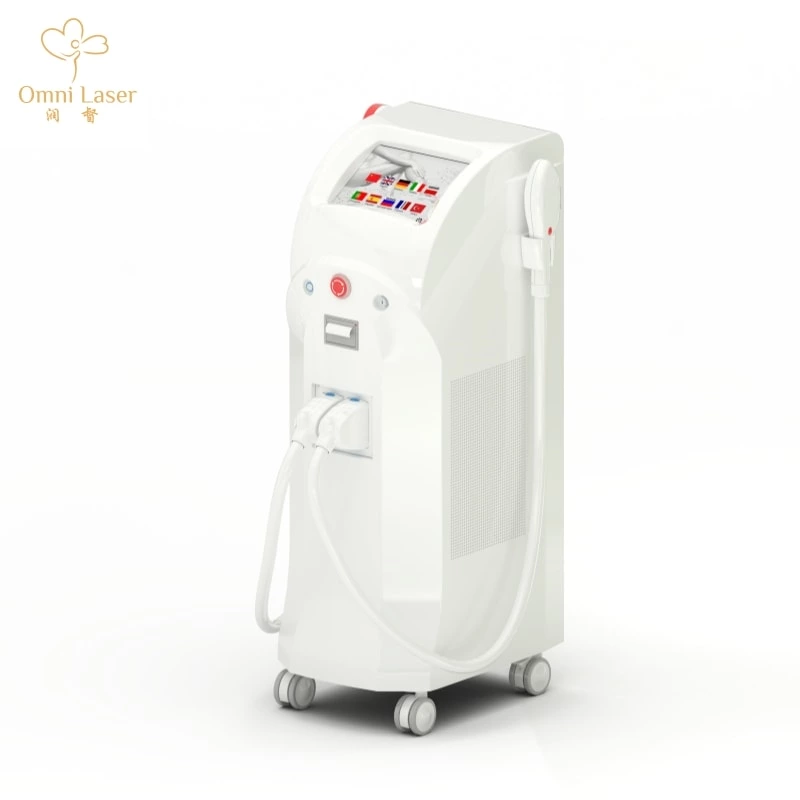
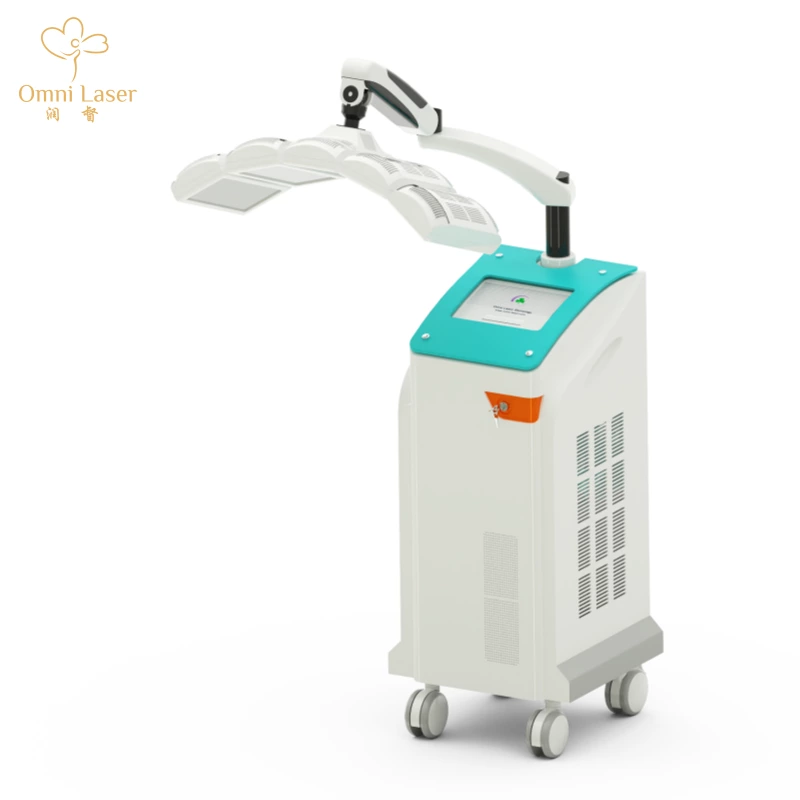
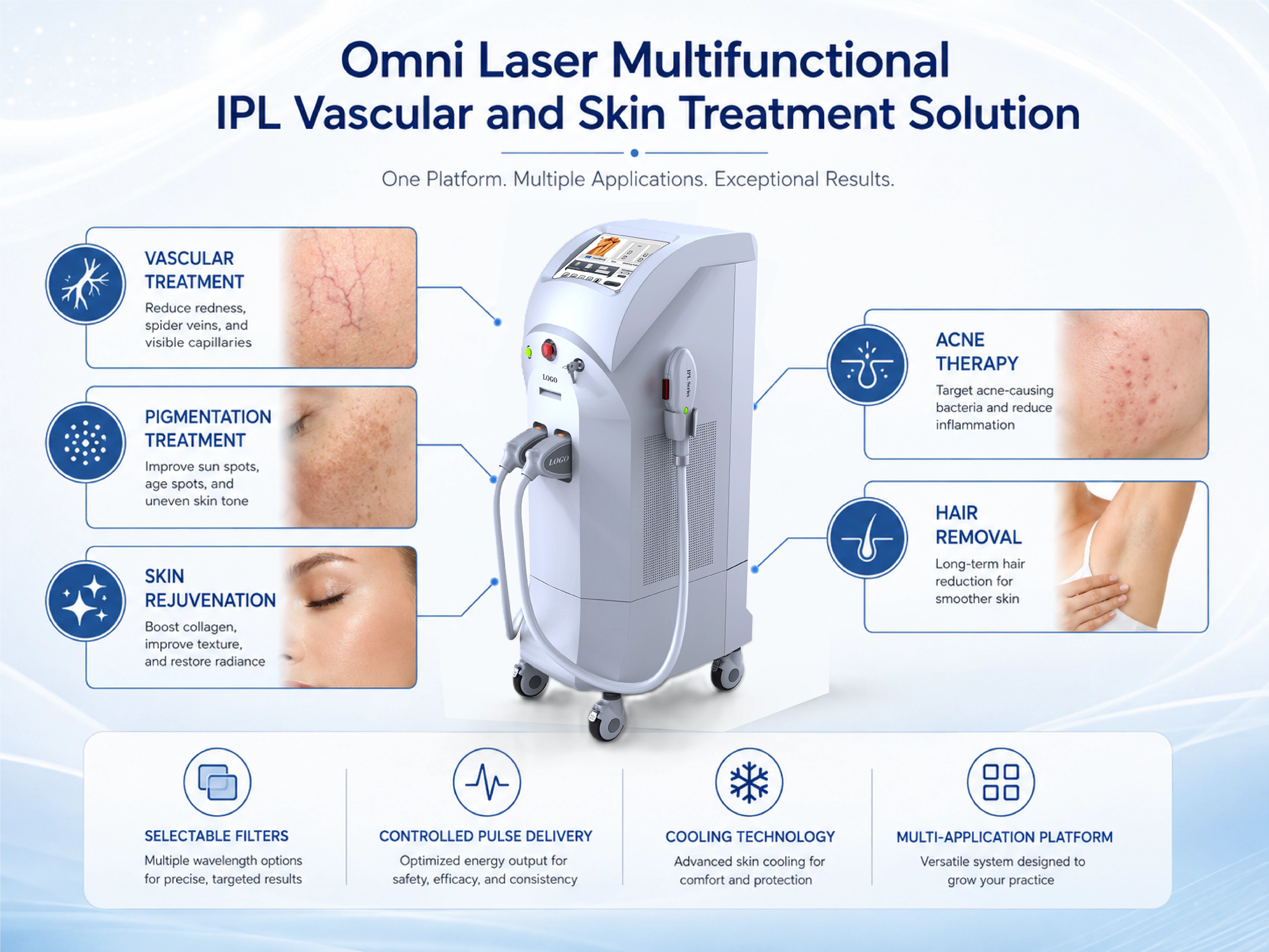
Omni Laser provides professional IPL systems designed for aesthetic clinics, medical spas and international distributors requiring a flexible multi-application platform.
Depending on the configuration, one Omni Laser IPL system can support:
- Vascular Treatment
- Skin Rejuvenation
- Pigmentation Treatment
- Acne Therapy
- Hair Removal
The system combines selectable wavelength filters, controlled pulse delivery and cooling technologies to support different professional aesthetic applications.
Explore Related Treatments
→ IPL Skin Rejuvenation Treatment
→ IPL Pigmentation Treatment
→ IPL Acne Treatment
Explore the Technology
→ AFT IPL Technology
→ Square-Motion IPL Technology
Explore the Professional IPL Platform
→ Professional IPL Hair Removal & Skin Rejuvenation System
Frequently Asked Questions About IPL Vascular Treatment
How does IPL treat visible blood vessels?
IPL delivers filtered light energy that is absorbed by hemoglobin within targeted vessels. The absorbed energy is converted into heat, producing controlled thermal effects that may cause the vessel to coagulate and gradually become less visible.
Can IPL help reduce facial redness?
IPL is commonly used for selected vascular concerns associated with facial redness and superficial telangiectasia. However, treatment suitability depends on the underlying cause of redness.
What is telangiectasia?
Telangiectasia refers to small dilated blood vessels that become visible near the surface of the skin, often appearing as fine red or purple lines.
What is the difference between IPL and vascular laser treatment?
IPL uses broad-spectrum filtered light, while vascular lasers use specific wavelengths. IPL offers greater treatment versatility, while dedicated vascular lasers can provide highly targeted wavelength selection.
Can one IPL system treat both pigmentation and vascular concerns?
Yes. One of the main advantages of professional IPL platforms is that different filters and settings can be used for different chromophores, including melanin in pigmentation and hemoglobin in vascular structures.
Is cooling important during IPL vascular treatment?
Yes. Epidermal cooling can improve patient comfort and help protect surrounding skin while controlled light energy targets the vascular structure.
Looking for a Professional IPL Vascular Treatment Solution?
Omni Laser provides professional IPL and AFT-based systems for clinics, medical spas and distributors seeking a versatile platform for vascular treatment, pigmentation, skin rejuvenation, acne management and hair removal.
Request an IPL Solution →