Русский
 Türkçe
 中文
中文
590nm Yellow LED Light Therapy for Sensitive and Redness-Prone Skin
590nm Yellow LED Light Therapy for Sensitive and Redness-Prone Skin
590nm yellow LED light therapy is increasingly used in professional aesthetic skin-care programs designed for sensitive-looking, redness-prone and stressed-looking skin.
Unlike aggressive resurfacing or thermal technologies, yellow LED therapy delivers low-intensity visible light across a broad treatment area, allowing it to be incorporated into gentle, non-invasive facial programs.
In professional aesthetic practice, 590nm yellow LED light can be positioned around:
- sensitive-looking skin
- redness-prone complexion
- stressed-looking skin
- gentle skin conditioning
- post-aesthetic care
- maintenance-oriented facial programs
- multi-wavelength skin rejuvenation
590nm is also one of the better-studied yellow/amber LED wavelengths in aesthetic phototherapy.
For Omni Laser, however, the most appropriate positioning remains:
Sensitive Skin Care + Redness-Prone Skin Care + Gentle Conditioning + Post-Aesthetic Care
rather than treatment of inflammatory, vascular or dermatological disease.
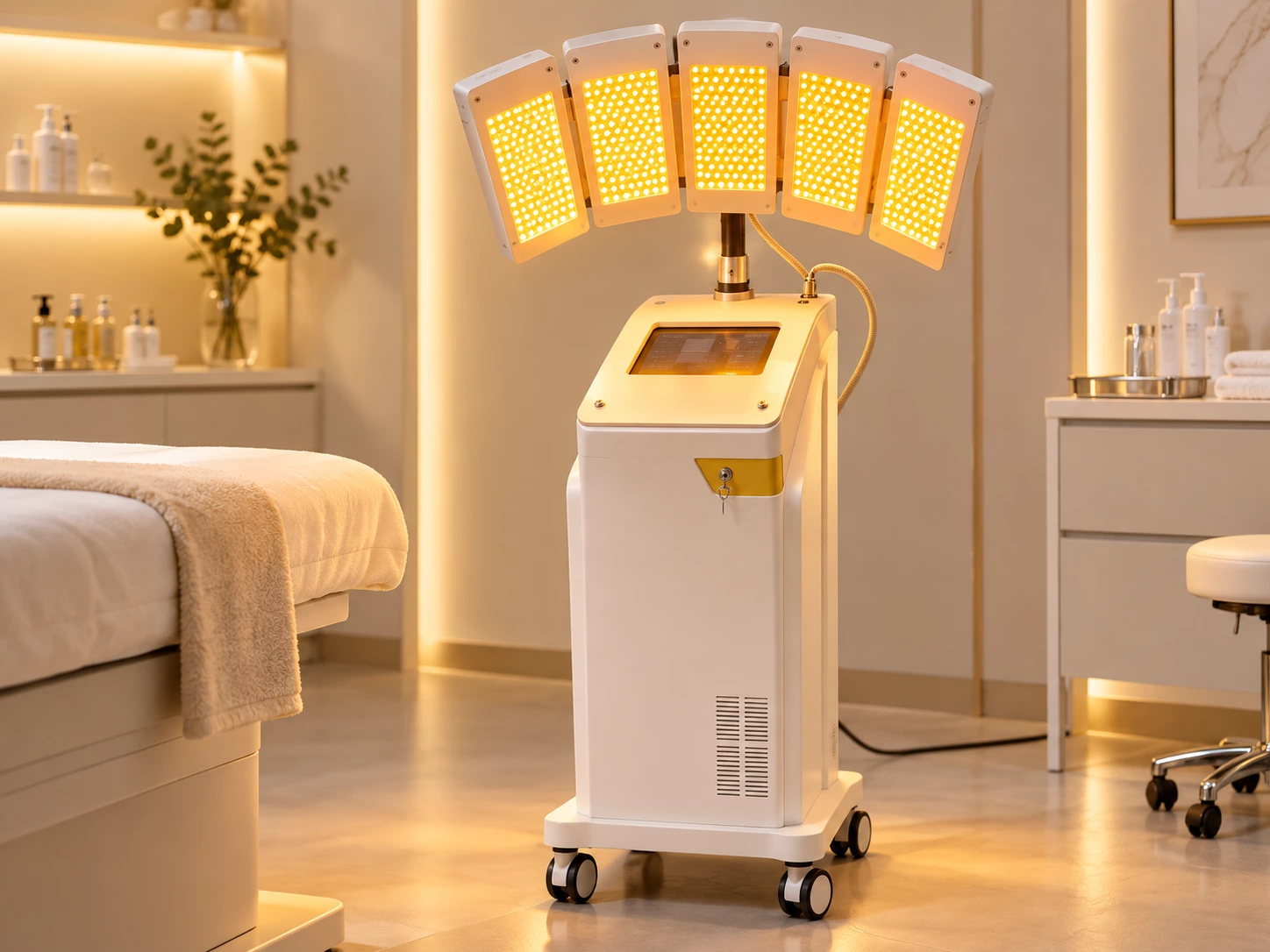
[Image 1: 590nm Yellow LED Light Therapy for Sensitive and Redness-Prone Skin]
What Is 590nm Yellow LED Light Therapy?
590nm yellow LED therapy uses light-emitting diodes designed around a nominal wavelength of approximately 590nm.
This wavelength lies within the visible yellow-to-amber portion of the light spectrum.
One important point for professional buyers is that an LED is not a perfectly monochromatic light source.
When a professional LED system is described as:
590nm Yellow LED
590nm represents the nominal or target wavelength.
The actual optical emission normally covers a small spectral range around that central wavelength rather than producing every photon at exactly 590.000nm.
For this reason, it is usually more useful for clinics and distributors to evaluate:
- nominal wavelength
- spectral characteristics
- irradiance
- energy density
- optical uniformity
- treatment distance
- treatment protocol
rather than focusing on very small numerical differences between nearby yellow wavelengths.
Unlike lasers, professional LED systems typically deliver broad-area, non-coherent light, making them well suited for full-face aesthetic treatments.
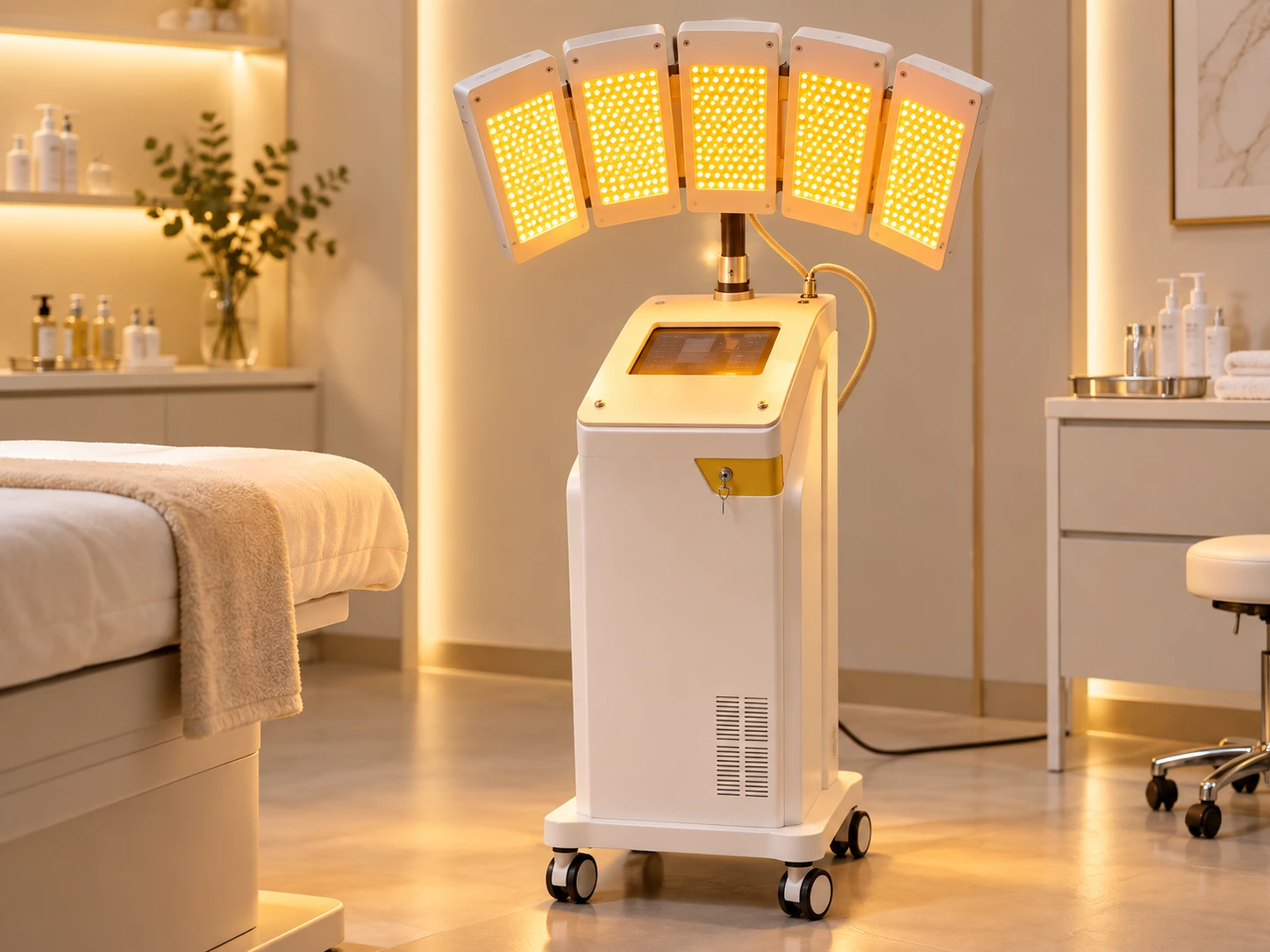
[Image 2: Professional 590nm Yellow LED Therapy Device]
Why Is 590nm Yellow Light Used in Aesthetic Skin Care?
590nm yellow LED light is particularly relevant to professional skin-care programs where the treatment objective is gentleness rather than aggressive correction.
It can be incorporated into programs designed to support:
calmer-looking skin
more balanced-looking complexion
redness-prone skin care
sensitive-looking skin
post-aesthetic skin conditioning
overall skin comfort and appearance
This makes 590nm especially suitable for clinics that want to offer a light-based option for clients who may not need an aggressive energy-based procedure.
The treatment goal is not to damage or remove tissue.
Instead, yellow LED is generally used as a supportive skin-conditioning technology.
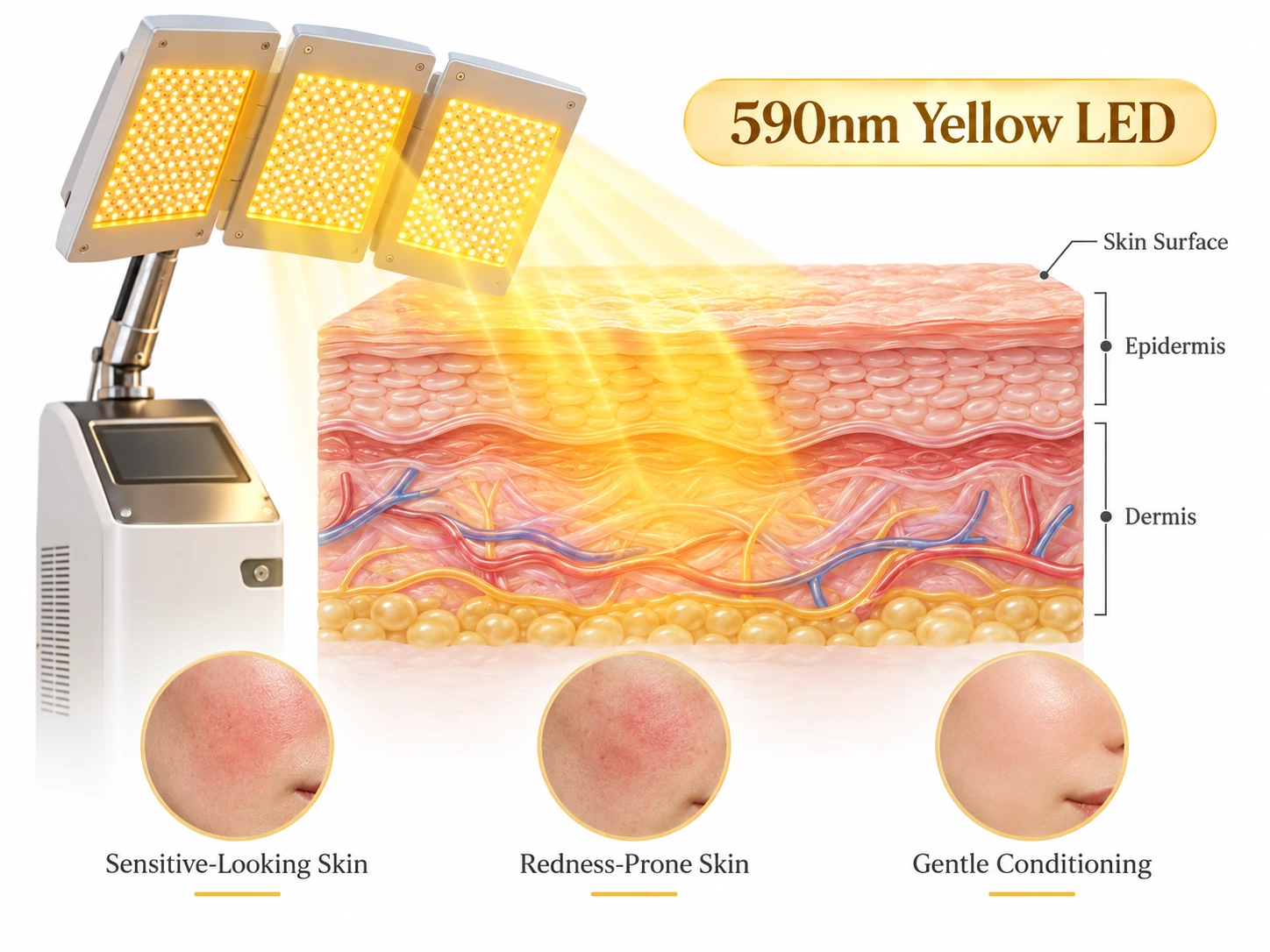
[Image 3: How 590nm Yellow LED Light Interacts with the Skin]
Key Aesthetic Applications of 590nm Yellow LED Light
Sensitive-Looking Skin Care
Sensitive-looking skin is one of the most important applications for 590nm yellow LED.
Clients may present with concerns such as:
- temporary redness
- visible sensitivity
- dry-looking complexion
- stressed-looking skin
- reduced skin comfort
- sensitivity following professional skin-care procedures
Yellow LED can be incorporated into a gentle professional facial program designed to support a calmer and more comfortable-looking complexion.
The wording should remain:
sensitive-looking skin
rather than implying treatment of a diagnosed sensitive-skin disorder.
Redness-Prone Skin
Visible facial redness is another common aesthetic concern.
Some clients may experience:
- temporary flushing
- easily reddened skin
- redness after cosmetic treatments
- uneven-looking facial color
590nm yellow LED can be incorporated into professional aesthetic programs focused on supporting a calmer and more balanced-looking complexion.
For marketing purposes, appropriate wording includes:
supports redness-prone skin care
helps improve the appearance of temporary redness
supports a calmer-looking complexion
Avoid stronger statements such as:
removes vascular lesions
treats rosacea
eliminates facial redness
because those imply specific medical treatment claims.
Stressed-Looking Skin
Skin does not need to have a diagnosed condition to appear stressed.
Temporary changes in skin appearance may follow:
- environmental exposure
- professional cleansing
- exfoliation
- aesthetic procedures
- intensive facial programs
590nm yellow LED can be incorporated as a gentle conditioning step within a broader skin-care protocol.
Gentle Skin Conditioning
Some clients simply want regular professional facial maintenance.
For these clients, 590nm yellow LED can be incorporated into programs designed around:
- skin comfort
- complexion balance
- gentle care
- overall skin appearance
- maintenance-oriented facial treatment
This gives yellow LED a distinct position from more aggressive rejuvenation technologies.
Post-Aesthetic Skin Care
Post-aesthetic care is one of the strongest practical applications for 590nm yellow LED.
After selected professional aesthetic procedures, skin may temporarily appear:
- red
- dry
- sensitive
- stressed
- less comfortable than usual
When appropriate for the client, procedure and device instructions, yellow LED can be incorporated into a broader post-aesthetic skin-conditioning protocol.
The preferred terminology is:
Post-Aesthetic Skin Care
or:
Post-Aesthetic Skin Conditioning
rather than:
Wound Healing
Tissue Repair
or:
Inflammation Treatment
This keeps the application clearly within medical aesthetics.
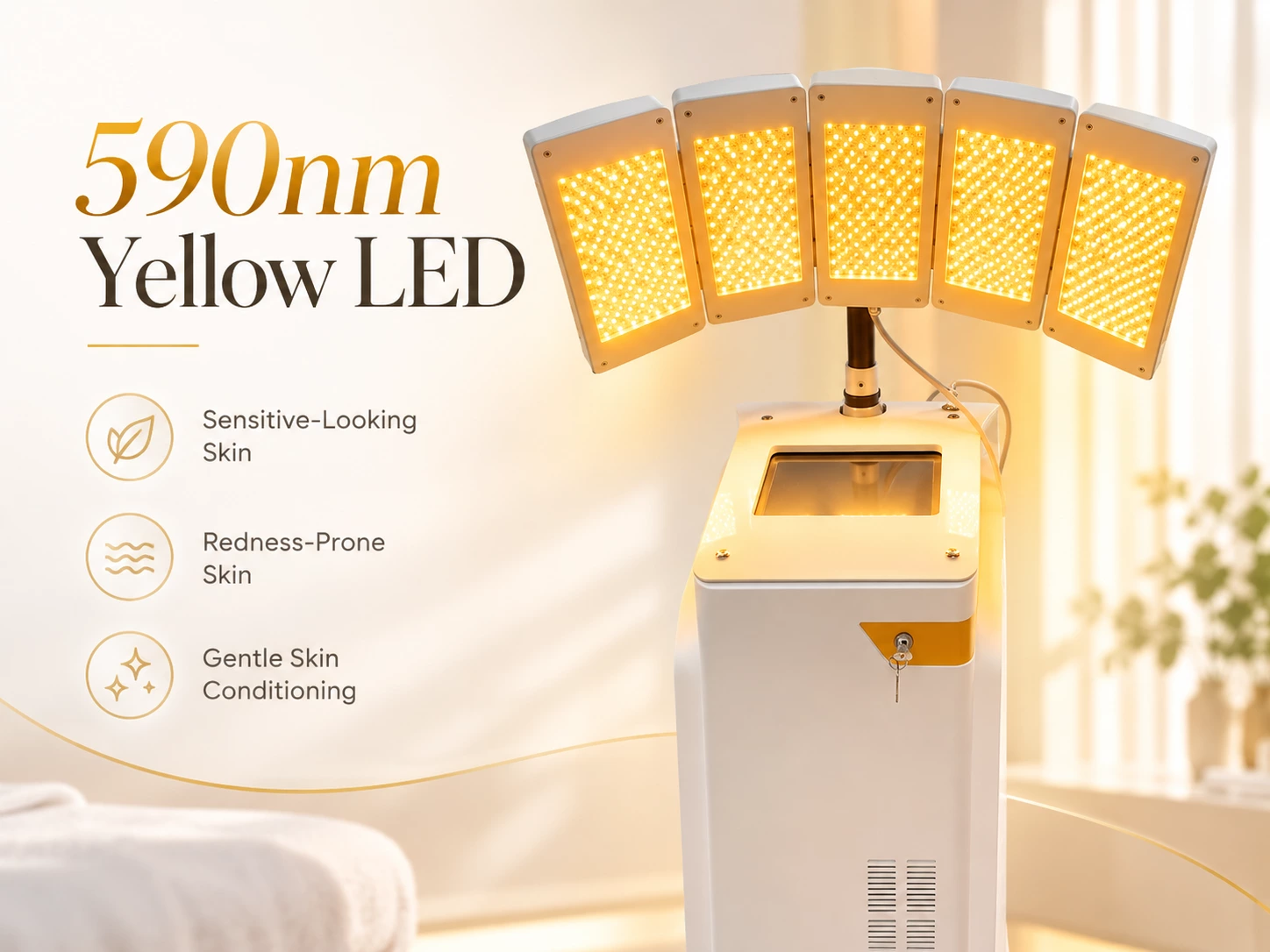
[Image 4: 590nm Yellow LED Facial Care for Sensitive-Looking Skin]
Why Does Omni Laser Focus on 590nm Yellow LED?
Professional buyers sometimes encounter yellow-light devices marketed at slightly different nominal wavelengths.
However, for an LED system, extremely small wavelength differences should not automatically be interpreted as completely different treatments.
LED sources naturally have a spectral emission range around their nominal wavelength.
For this reason, Omni Laser positions the yellow-light program around one clear specification:
590nm Yellow LED
This has several advantages.
Clearer Product Positioning
Clinics and distributors do not have to decide between several nearly identical yellow wavelengths.
Easier Treatment Understanding
590nm has a clear aesthetic positioning around:
- sensitive-looking skin
- redness-prone skin
- gentle conditioning
- post-aesthetic care
Easier Staff Training
A clinic can remember one clearly defined yellow-light application rather than multiple nearly overlapping yellow wavelengths.
Easier Marketing
The customer receives a simple message:
590nm Yellow LED = Gentle Care for Sensitive and Redness-Prone Skin
This is considerably easier to communicate than offering several closely spaced wavelength options without a meaningful difference in the treatment objective.
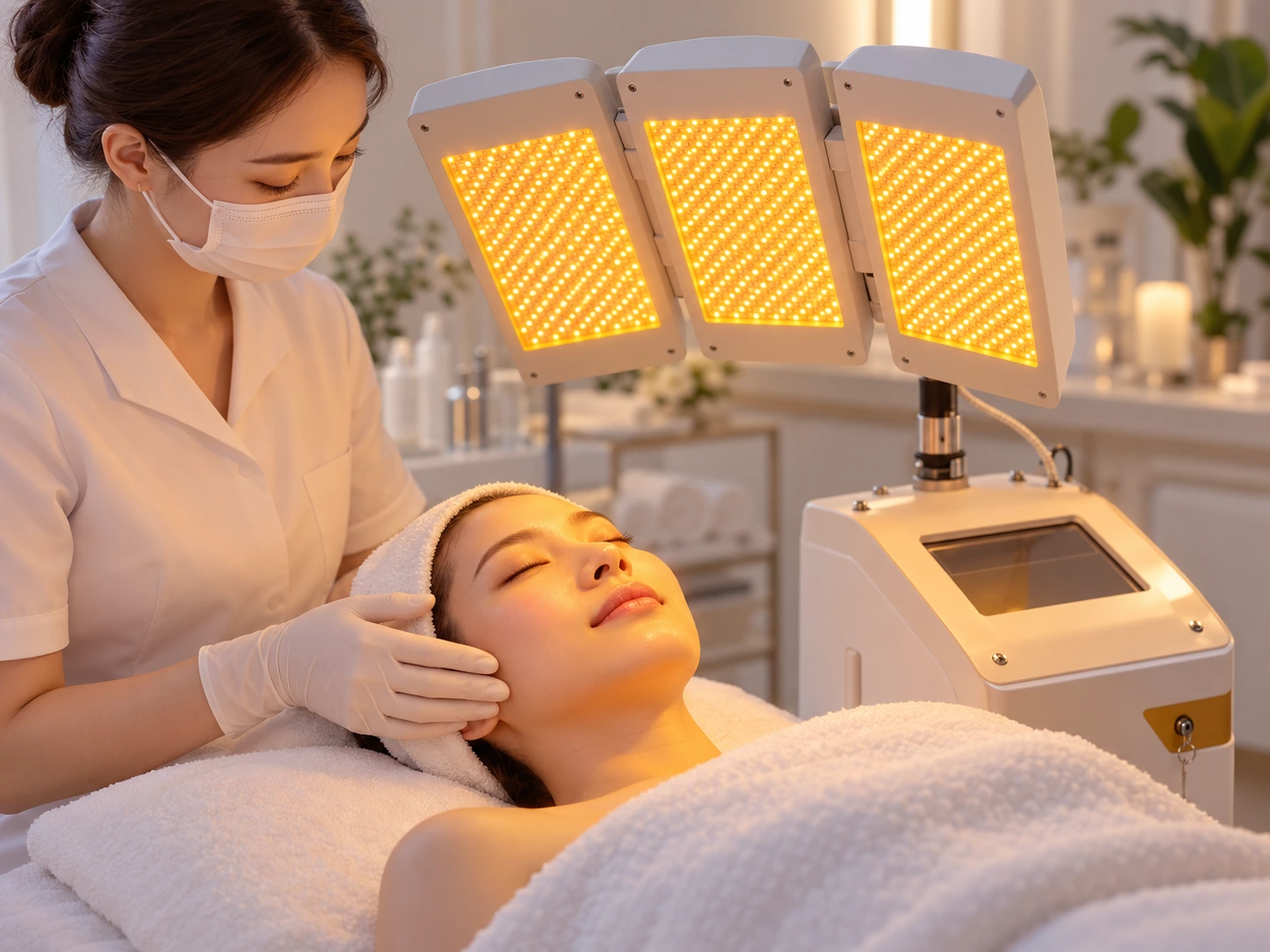
[Image 5: 590nm Yellow LED Light for Sensitive Skin Care]
Nominal Wavelength and LED Spectral Bandwidth
A professional discussion of LED wavelength should distinguish between:
nominal wavelength
and:
actual spectral output.
When an LED is described as 590nm, this usually refers to its target or nominal wavelength.
The emitted light is distributed around this wavelength within a spectral band.
This is normal for LED technology.
Therefore, professional buyers should not evaluate an LED system on the assumption that:
590nm must mean every emitted photon is exactly 590nm.
More relevant questions include:
- Is the wavelength configuration suitable for the intended application?
- Is the optical output stable?
- Is irradiance controlled?
- Is the treatment area evenly illuminated?
- Is the treatment distance appropriate?
- Are the protocols matched to the device?
This is why Omni Laser focuses on a clear 590nm yellow-light configuration rather than creating unnecessary choices between very closely spaced nominal wavelengths.
Who Is 590nm Yellow LED Therapy Suitable For?
Within professional aesthetic skin care, 590nm yellow LED programs may be considered for clients concerned with:
- sensitive-looking skin
- redness-prone complexion
- temporary visible redness
- dry or stressed-looking skin
- post-aesthetic sensitivity
- dull-looking complexion
- maintenance-oriented facial care
- gentle skin rejuvenation
Treatment selection should always consider:
- individual skin condition
- professional assessment
- previous aesthetic procedures
- treatment goals
- device output
- treatment protocol
Yellow LED therapy should remain part of professional aesthetic skin care and should not replace medical diagnosis or treatment where a dermatological condition is suspected.
How Is 590nm Yellow LED Therapy Used in Professional Aesthetic Clinics?
Standalone Sensitive-Skin Facial
590nm yellow LED may be incorporated into a gentle facial program designed for clients with:
- sensitive-looking skin
- redness-prone skin
- stressed-looking complexion
The objective is comfortable, non-invasive skin conditioning.
Part of a Soothing Facial Program
A professional protocol may include:
cleansing
↓
skin preparation
↓
professional facial care
↓
590nm yellow LED
depending on the client's condition.
Post-Aesthetic Care Program
Yellow LED may be incorporated after selected aesthetic procedures when appropriate.
Its role should be positioned around:
supportive post-aesthetic care
and:
gentle skin conditioning
rather than medical treatment of procedure-related complications.
Maintenance Skin-Care Program
Because LED treatment is non-ablative and non-invasive, 590nm yellow LED can be incorporated into repeat professional facial programs where appropriate.
Multi-Wavelength LED Program
590nm can also be combined with other wavelengths when a broader aesthetic objective is required.
Two important examples are:
590nm Yellow + Red LED
for:
Sensitive Skin Care + Rejuvenation
and:
590nm Yellow + Red + Near-Infrared
for:
Advanced Multi-Wavelength Skin Conditioning
[Image 6: Professional 590nm Yellow LED Treatment in Aesthetic Clinics]
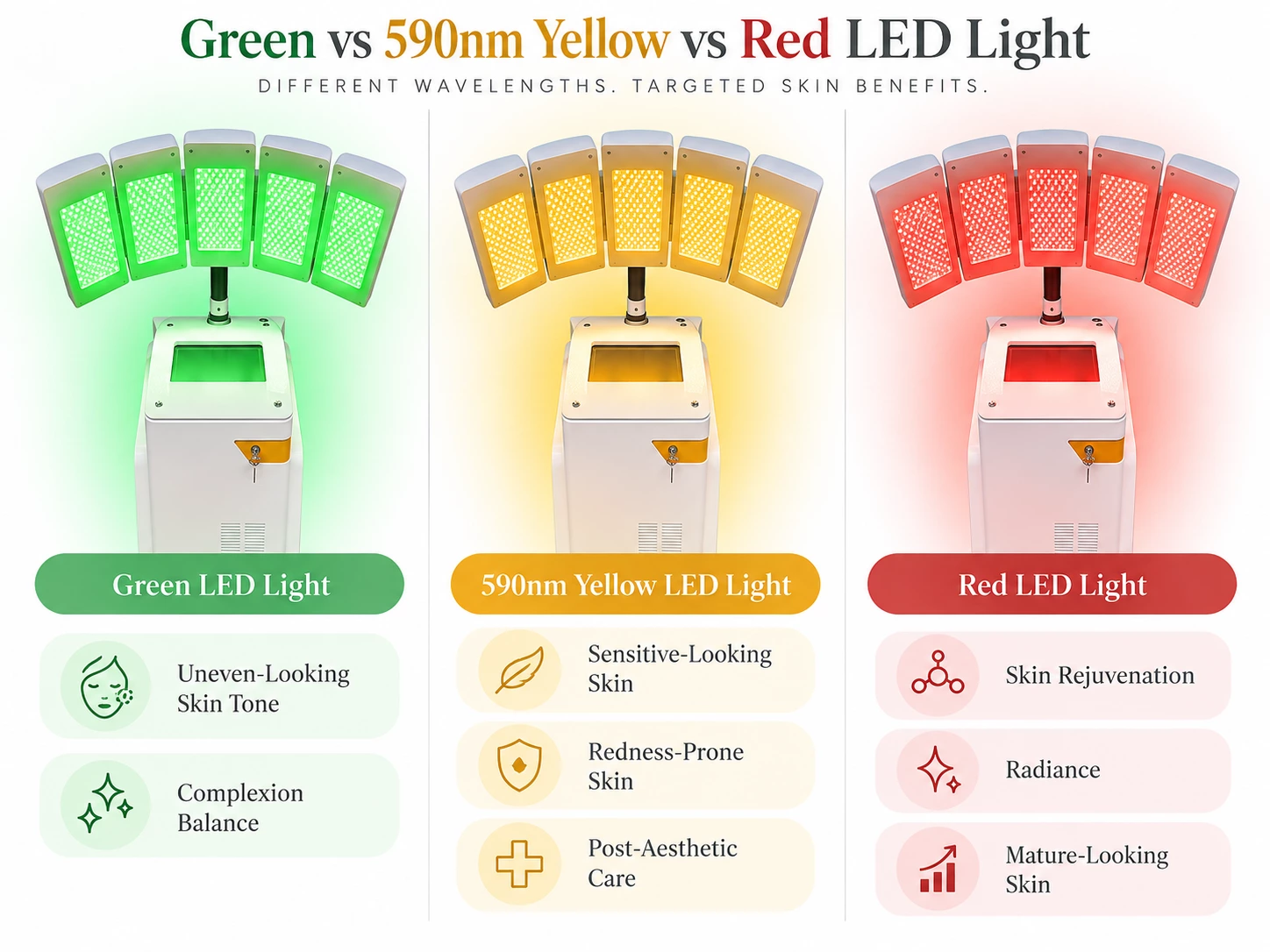
590nm Yellow LED vs Green LED vs Red LED
Each LED color should have a clearly different role.
Green LED Light
Typical positioning:
Uneven-Looking Skin Tone
Complexion Balance
Gentle Skin Conditioning
590nm Yellow LED Light
Primary positioning:
Sensitive-Looking Skin
Redness-Prone Skin
Soothing Skin Care
Post-Aesthetic Care
Red LED Light
Typical wavelengths:
633nm / 660nm
Primary positioning:
Skin Rejuvenation
Skin Texture
Radiance
Mature-Looking Skin
Keeping these roles separate makes the entire Omni Laser LED Treatment system easier for clients to understand.
[Image 7: Green LED vs 590nm Yellow LED vs Red LED Light]
Why Combine 590nm Yellow and Red LED Light?
Yellow and red light complement each other well within professional aesthetic programs.
The positioning can be summarized simply:
590nm Yellow LED
→ sensitive-looking skin
→ redness-prone care
→ gentle conditioning
Red LED
→ skin rejuvenation
→ texture
→ radiance
Together, the two wavelengths allow a clinic to design a broader facial program for clients who are concerned with both:
skin sensitivity
and:
visible signs of aging or loss of radiance.
This combination should not be presented as “two colors are automatically better than one.”
Instead, each wavelength should have a defined treatment objective.
Internal Link:
Learn More About Red + Yellow LED Therapy for Sensitive and Redness-Prone Skin →
590nm Yellow LED for Post-Aesthetic Care
Post-aesthetic care is an increasingly important part of modern aesthetic practice.
After certain professional procedures, skin may temporarily show:
- visible redness
- dryness
- sensitivity
- stressed-looking appearance
A gentle LED program can help clinics provide a more complete skin-management experience.
590nm yellow LED should therefore be positioned as:
a complementary light-based option for post-aesthetic skin conditioning.
Avoid wording such as:
heals laser damage
accelerates wound closure
treats inflammation
repairs surgical injury
These statements move the product away from professional aesthetic care and toward medical therapeutic claims.
590nm Yellow LED and Skin Rejuvenation
Although yellow LED is primarily positioned around sensitive and redness-prone skin, it can also play a supporting role in skin rejuvenation programs.
Professional rejuvenation is not limited to:
- wrinkles
- firmness
- collagen-related concerns
It can also include:
- skin comfort
- complexion balance
- healthier-looking skin
- smoother-looking overall appearance
For this reason, yellow LED can complement red LED within a broader rejuvenation strategy.
However, the hierarchy should remain clear:
Red LED = Primary Skin Rejuvenation
590nm Yellow LED = Sensitive / Redness-Prone / Gentle Conditioning
This prevents the two Treatment pages from competing for the same search intent.
What Determines the Performance of a Professional 590nm Yellow LED System?
Nominal Wavelength
The yellow-light mode should be clearly specified around:
590nm
without creating unnecessary nearby wavelength choices.
Spectral Characteristics
Professional LED buyers should understand that real LED emission has a spectral bandwidth around the nominal wavelength.
Irradiance
Irradiance represents optical power delivered over a treatment area.
It is commonly expressed in:
mW/cm²
Energy Density
Energy density describes the total energy delivered during treatment.
It is commonly expressed in:
J/cm²
Treatment Distance
The distance between the LED treatment head and skin influences actual delivered irradiance.
Optical Uniformity
A professional full-face system should provide relatively even illumination across the intended treatment area.
LED Distribution
LED quantity matters, but distribution and panel geometry are equally important.
Treatment Area
Professional treatment heads should provide appropriate coverage across:
- forehead
- cheeks
- chin
- jawline
without excessive repositioning.
Treatment Protocol
Treatment performance depends on the complete combination of:
590nm nominal wavelength + irradiance + energy density + treatment distance + treatment time + treatment area
rather than the wavelength number alone.
Professional 590nm Yellow LED Therapy Systems from Omni Laser
Omni Laser develops professional multi-wavelength LED phototherapy systems for:
- aesthetic clinics
- professional skin-care centers
- medical-aesthetic practices
- distributors
- beauty equipment brands
- OEM/ODM partners
Depending on configuration, Omni Laser systems can incorporate:
Red Light
Blue Light
Green Light
590nm Yellow Light
Near-Infrared Light
For yellow-light programs, Omni Laser focuses on a clear:
590nm Yellow LED Configuration
designed around professional aesthetic applications such as:
- sensitive-looking skin
- redness-prone skin
- gentle skin conditioning
- post-aesthetic care
- multi-wavelength facial programs
Omni Laser professional LED systems are available in different multi-panel configurations, including:
3-Panel System — 1,800 LEDs
and:
5-Panel System — 2,400 LEDs
The appropriate system should be evaluated according to:
- wavelength configuration
- LED quantity
- irradiance
- energy density
- optical uniformity
- treatment distance
- treatment-area coverage
- system stability
- software protocols
- OEM/ODM requirements
- regulatory documentation
rather than choosing equipment based only on a wavelength number or LED count.
Frequently Asked Questions About 590nm Yellow LED Light Therapy
What is 590nm yellow LED light therapy used for?
In professional aesthetic skin care, 590nm yellow LED can be incorporated into programs for:
- sensitive-looking skin
- redness-prone skin
- gentle conditioning
- post-aesthetic care
- maintenance facial programs
Why does Omni Laser use 590nm instead of offering several yellow wavelengths?
590nm provides a clear professional treatment position and avoids unnecessary choices between nearby nominal LED wavelengths.
Real LED sources also have a spectral bandwidth around their target wavelength rather than emitting at one infinitely narrow wavelength.
Is 590nm suitable for sensitive-looking skin?
590nm yellow LED can be incorporated into gentle professional skin-care programs designed for sensitive-looking and redness-prone skin.
Is 590nm suitable for redness-prone skin?
Yes.
It can be positioned within professional aesthetic programs aimed at supporting a calmer and more balanced-looking complexion.
Can 590nm yellow LED be used after aesthetic treatments?
When appropriate for the procedure, client and device instructions, 590nm yellow LED can be incorporated into post-aesthetic skin-conditioning programs.
Is 590nm yellow LED the same as a yellow laser?
No.
LED and laser technologies differ significantly in:
- coherence
- energy
- beam characteristics
- treatment mechanism
- clinical application
Laser indications should therefore not automatically be applied to an LED system.
Is 590nm yellow LED better than red LED?
They serve different purposes.
590nm Yellow LED
is primarily positioned around:
sensitive-looking / redness-prone / soothing care
while:
Red LED
is primarily positioned around:
skin rejuvenation / texture / radiance.
Can 590nm yellow and red LED be used together?
Yes.
They can be incorporated into a multi-wavelength aesthetic program combining gentle skin conditioning with rejuvenation.
Does an LED emit exactly 590nm?
Not in the same sense as an ideal single-wavelength source.
590nm is the nominal or target wavelength, while the real LED emission covers a spectral band around that wavelength.
Does a smaller wavelength difference mean a different treatment?
Not necessarily.
For nearby LED wavelengths, the actual biological and aesthetic outcome depends on more than the central wavelength number.
Device output and protocol design are also important.
How should clinics choose a professional yellow LED therapy system?
Clinics and distributors should evaluate:
- nominal wavelength
- spectral characteristics
- irradiance
- energy density
- LED distribution
- optical uniformity
- treatment distance
- treatment area
- available protocols
- manufacturer support
rather than choosing between several very closely spaced wavelength numbers.
Professional 590nm Yellow LED Solutions for Sensitive and Redness-Prone Skin
590nm yellow LED light provides a clear and practical wavelength option for modern professional aesthetic skin care.
Its primary positioning is:
Sensitive-Looking Skin
Redness-Prone Skin
Gentle Skin Conditioning
Post-Aesthetic Care
Rather than offering multiple closely spaced yellow wavelengths and creating unnecessary confusion for professional buyers, Omni Laser focuses on a clear 590nm nominal yellow LED configuration.
This makes it easier for:
clinics to understand the treatment purpose
distributors to explain the technology
and:
OEM/ODM customers to define their product positioning.
When combined with red and near-infrared wavelengths, 590nm yellow LED can also form part of broader professional multi-wavelength skin-care programs.
Explore Omni Laser Professional LED Therapy Systems →
Contact Omni Laser for Professional LED Therapy OEM/ODM Solutions →