Русский
 Türkçe
 中文

LED Phototherapy Mechanism: How Different Wavelengths Interact with Skin
LED Phototherapy Mechanism: How Different Wavelengths Interact with Skin
Professional LED phototherapy is often introduced by color:
blue, green, yellow, red or near-infrared.
From a technical perspective, however, color is only the visible expression of a wavelength range.
What actually determines how light interacts with skin is the relationship between:
wavelength, tissue absorption, scattering, penetration and biological response.
Two LEDs that appear to be the same color may still have different optical characteristics if their peak wavelengths are different.
For example:
415nm and 469nm are both blue light.
633nm and 660nm are both red light.
830nm and 850nm are both near-infrared light.
But they should not automatically be treated as identical.
Omni Laser professional LED platforms can therefore be configured according to different project requirements, including wavelengths such as:
405–420nm Blue
469nm Blue
530nm Green
590nm Yellow
633nm Red
660nm Red
830nm Near-Infrared
and
850nm Near-Infrared
The appropriate wavelength should be selected according to the intended application, protocol and optical requirements.
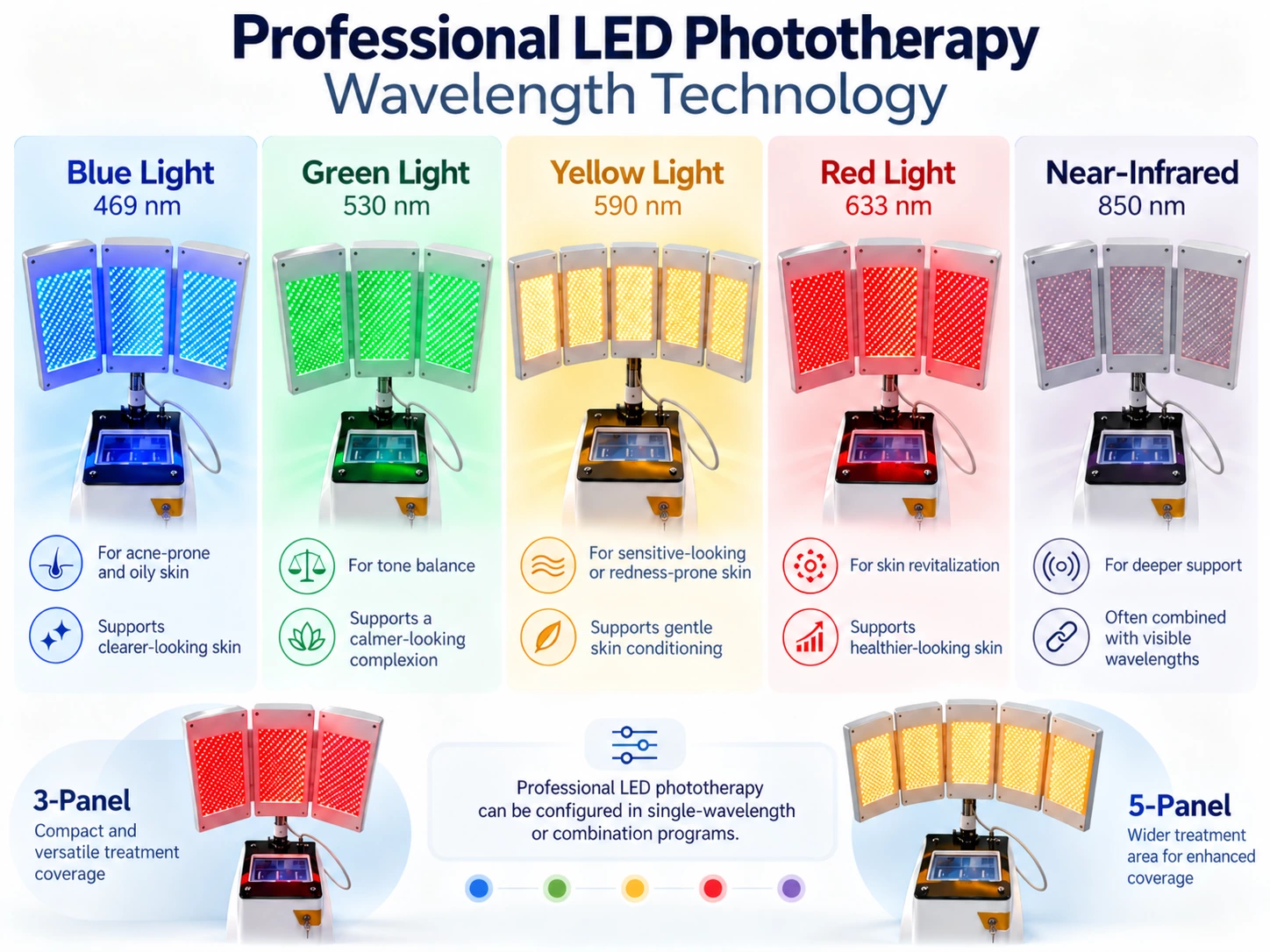
[IMAGE 1 — Professional LED Phototherapy Wavelength Technology]
Suggested image content:
Professional Omni Laser LED system with a wavelength map showing:
405–420nm / 469nm Blue
530nm Green
590nm Yellow
633nm / 660nm Red
830nm / 850nm Near-Infrared
The image should make it clear that one color category may contain more than one available wavelength.
1. What Happens When LED Light Reaches the Skin?
When LED light reaches the skin, photons do not simply travel vertically downward.
Several optical processes occur simultaneously.
Reflection
A portion of the incident light is reflected from the skin surface.
The amount of reflection depends on factors such as:
- wavelength
- angle of incidence
- skin surface condition
- refractive-index differences
Therefore, not all optical energy emitted from the LED treatment head enters the tissue.
Absorption
Some photons are absorbed by molecules within the skin.
These light-absorbing molecules are commonly referred to as:
Chromophores
Important endogenous chromophores can include:
- melanin
- oxyhemoglobin
- deoxyhemoglobin
- water
- porphyrins
- cellular and mitochondrial photoacceptors
Different chromophores absorb different wavelength regions with different efficiencies.
This is one of the fundamental reasons why blue, yellow, red and near-infrared light should not be considered interchangeable.
Scattering
Human skin is a highly scattering biological tissue.
Photons are redirected as they interact with structures such as:
- cells
- collagen fibers
- membranes
- extracellular tissue components
Shorter visible wavelengths generally experience stronger scattering than longer red and near-infrared wavelengths.
As a result, blue light tends to interact more strongly with superficial tissue, while red and near-infrared light have a greater probability of propagating farther into tissue.
Transmission
Some photons are neither immediately reflected nor absorbed.
They continue through the tissue.
However, optical intensity decreases progressively with depth because absorption and scattering continue throughout the photon pathway.
This means that penetration should not be understood as:
“A wavelength reaches exactly a certain depth and then stops.”
A more accurate description is:
Optical energy gradually decreases as light propagates through tissue.
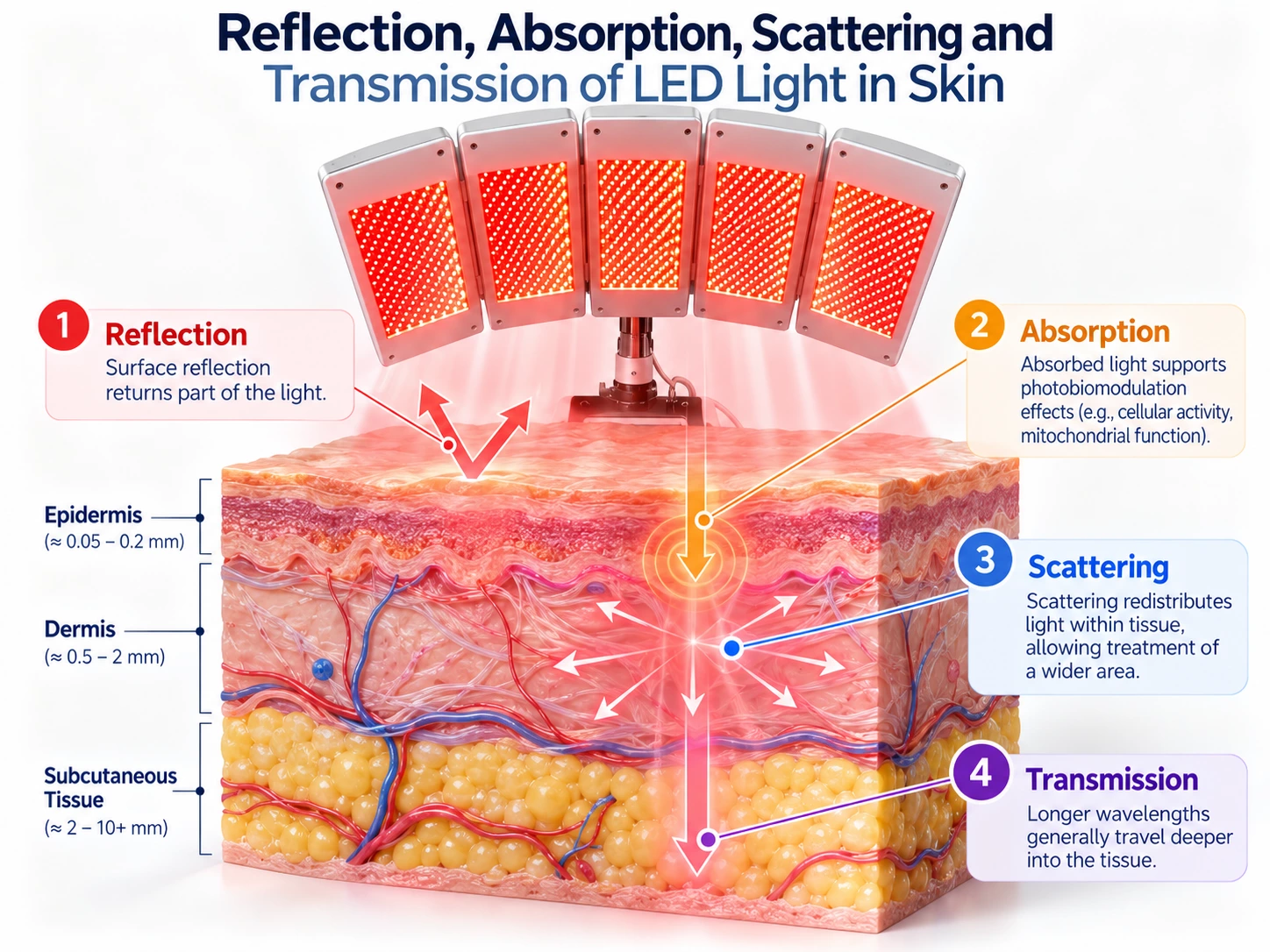
[IMAGE 2 — Reflection, Absorption, Scattering and Transmission of LED Light in Skin]
Suggested image content:
Skin cross-section showing:
Reflection
Absorption
Scattering
Transmission
Keep the illustration wavelength-neutral so it explains the basic optical mechanism rather than a particular application.
2. Why Exact Wavelength Matters
Wavelength is normally expressed in:
nanometers — nm
Within the same visible color category, a difference of several tens of nanometers can change:
- chromophore absorption
- tissue scattering
- relative penetration
- available clinical evidence
- treatment positioning
For example:
Blue
405–420nm and 469nm are both blue, but they do not have identical absorption characteristics.
Red
633nm and 660nm are both red wavelengths, but 660nm is positioned slightly farther toward the longer-wavelength end of the visible red spectrum.
Near-Infrared
830nm and 850nm both lie within the NIR region, but published protocols may use one or the other depending on the intended application.
Therefore:
Professional LED technology should be specified by wavelength—not simply by color.
3. Understanding Relative Skin Penetration
Penetration depth is one of the most frequently oversimplified subjects in LED therapy.
Different publications may describe penetration using different definitions, such as:
- the depth at which intensity falls to a certain percentage
- effective optical penetration depth
- remaining photon density
- simulated photon distribution
- biological target depth
These are not the same measurement.
For this reason, penetration numbers should be treated as:
relative scientific references
rather than absolute boundaries.
A practical overall trend is:
Blue < Green / Yellow < Red < Near-Infrared
in terms of relative tissue penetration.
Approximate Relative Penetration
| Wavelength Region | Relative Penetration | General Optical Region |
|---|---|---|
| 405–420nm Blue | Very superficial | Epidermal / superficial |
| 469nm Blue | Superficial | Epidermal / superficial |
| 530nm Green | Relatively superficial | Epidermal to superficial dermal |
| 590nm Yellow | Superficial to intermediate | Superficial / upper dermal |
| 633nm Red | Deeper than yellow | Dermal interaction |
| 660nm Red | Similar red-region behavior, slightly longer wavelength | Dermal interaction |
| 830nm NIR | Deeper relative penetration | Beyond visible-light range |
| 850nm NIR | Deeper relative penetration | Beyond visible-light range |
These descriptions are relative.
Actual photon distribution depends on:
- skin pigmentation
- melanin concentration
- blood content
- tissue thickness
- wavelength
- treatment geometry
- optical power
- incident angle
- measurement methodology
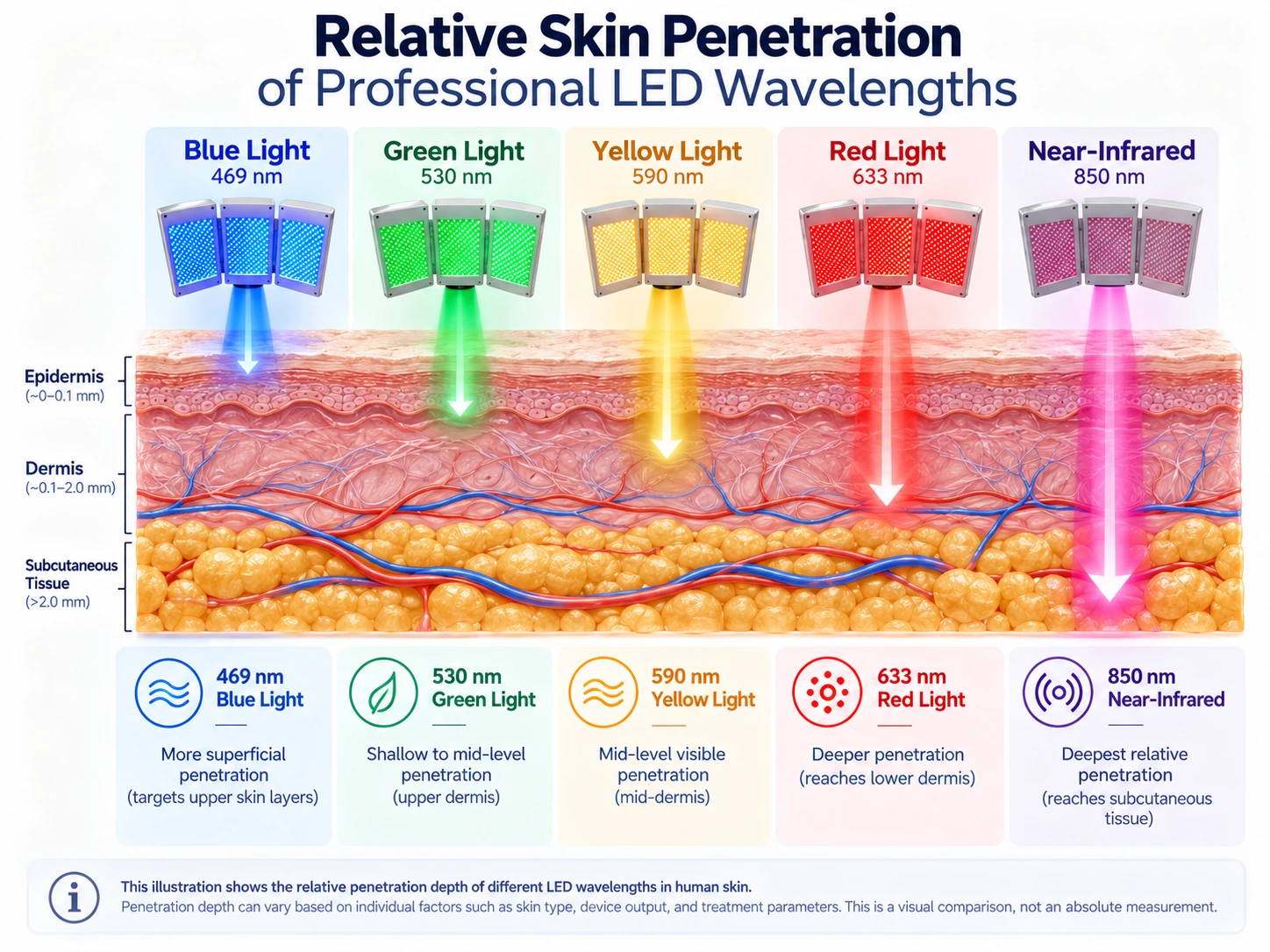
[IMAGE 3 — Relative Skin Penetration of Professional LED Wavelengths]
Suggested image content:
Compare:
405–420nm
469nm
530nm
590nm
633nm / 660nm
830nm / 850nm
Use arrows of different relative lengths.
Add a note:
Relative Penetration — Not an Absolute Depth Limit
4. Blue LED Technology: 405–420nm and 469nm
Omni Laser can configure different blue wavelengths depending on the product or professional project.
Typical options include:
405–420nm Blue
and
469nm Blue
These wavelengths belong to the same visible blue region but should not be treated as identical.
405–420nm Blue
The 405–420nm region has a strong relationship with endogenous porphyrin absorption.
Certain porphyrins produced by Cutibacterium acnes absorb strongly within the violet-blue region, particularly around approximately:
415nm
Following photoexcitation, these porphyrins can participate in photochemical reactions involving reactive oxygen species.
This is why wavelengths around:
405–420nm
appear frequently in published acne-related LED research.
For customers whose primary project requirement focuses on this optical mechanism, a shorter blue wavelength may therefore be a more appropriate configuration.
469nm Blue
469nm lies farther toward the longer-wavelength side of the blue spectrum.
It remains a blue visible wavelength but does not overlap the strongest porphyrin absorption region in exactly the same way as approximately 415nm.
Therefore, 469nm should not automatically inherit every claim associated with shorter blue wavelengths.
Omni Laser's 469nm configuration can be positioned more broadly around:
- oily-looking skin
- blemish-prone skin
- skin clarity
- professional blue-light skin conditioning
The important principle is:
405–420nm and 469nm are both professional blue-light options, but wavelength-specific evidence should be matched to the exact configuration being used.
5. 530nm Green LED
Omni Laser can configure:
530nm Green LED
Green light occupies the visible spectrum between blue and yellow.
At approximately 530nm, melanin and hemoglobin remain important optical absorbers, and tissue scattering remains relatively stronger than in the red and near-infrared regions.
As a result, green LED remains relatively superficial compared with red or NIR wavelengths.
Professional aesthetic positioning may include:
- uneven-looking complexion
- skin-tone conditioning
- gentle aesthetic skin-care programs
Compared with red, near-infrared and shorter blue wavelengths, high-quality clinical evidence for green LED remains less extensive.
For this reason, Omni Laser positions green LED conservatively as an additional professional wavelength option rather than overstating medical effects.
6. 590nm Yellow LED
For yellow LED, Omni Laser focuses on:
590nm Yellow LED
Yellow light occupies a wavelength range between green and red.
Relative to blue and green wavelengths, 590nm generally has somewhat greater tissue penetration, while remaining more superficial than red and near-infrared light.
Professional aesthetic positioning can include:
- sensitive-looking skin
- redness-prone skin
- gentle skin conditioning
- post-aesthetic skin care
- dull or stressed-looking complexion
Published clinical studies have also investigated 590nm yellow LED alone and in combination with red wavelengths.
However, professional users should understand an important optical characteristic:
590nm is a nominal wavelength.
A real LED does not emit an infinitely narrow single wavelength.
Its optical output is distributed across a spectral band around the nominal peak.
Therefore, professional evaluation may also consider:
- peak wavelength
- spectral distribution
- spectral bandwidth
- irradiance
- optical dose
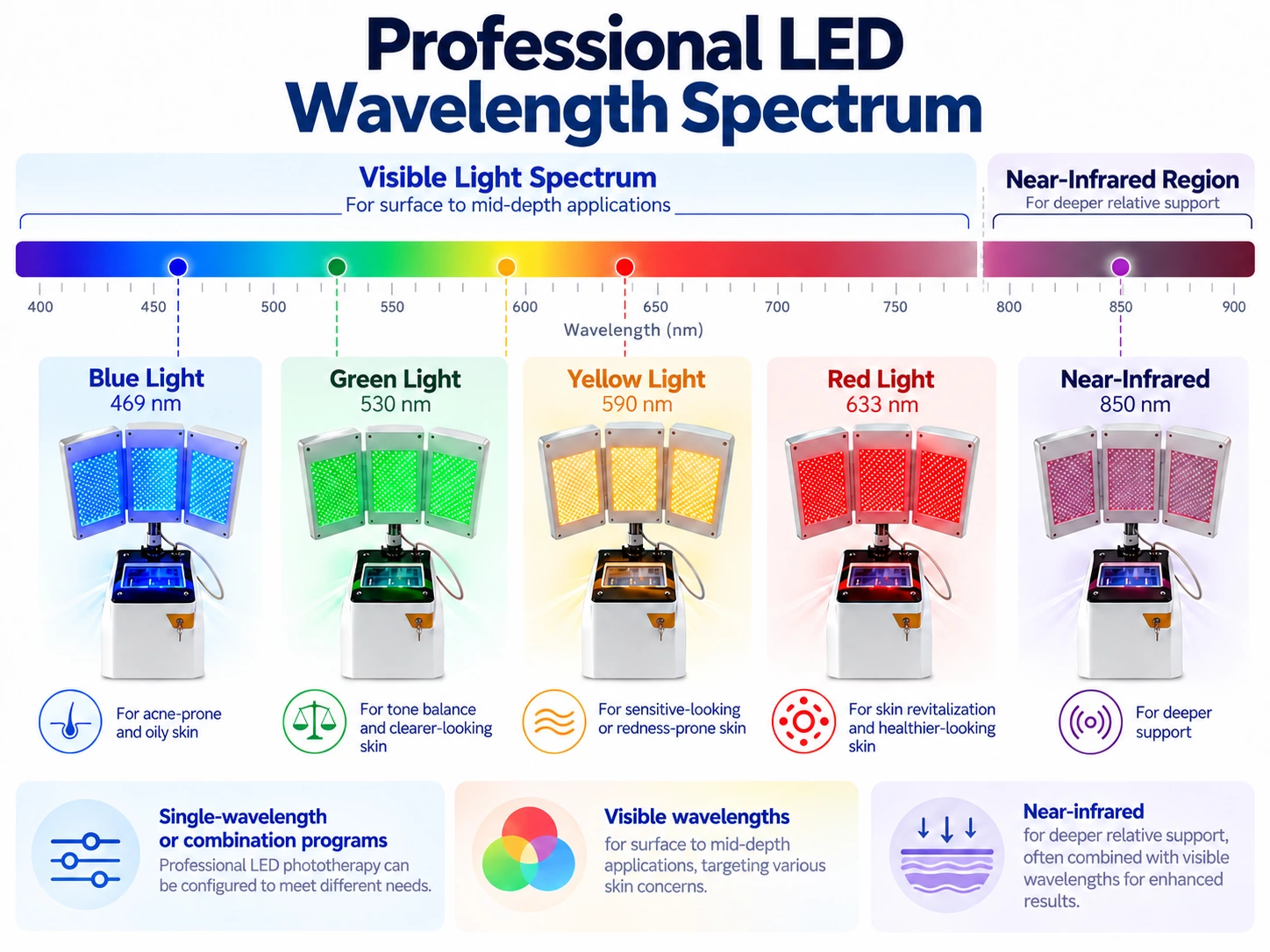
[IMAGE 4 — Professional LED Wavelength Spectrum]
Suggested image content:
Show a professional wavelength axis with:
405–420nm
469nm
530nm
590nm
633nm
660nm
830nm
850nm
Use visible-spectrum colors only where appropriate.
830nm and 850nm should be located outside the visible spectrum and should not be represented as bright purple visible light.
7. Red LED Technology: 633nm and 660nm
Omni Laser professional LED systems can be configured with red wavelengths including:
633nm Red
and
660nm Red
Both wavelengths fall within the visible red region and are widely discussed in professional LED and photobiological research.
They share many general optical characteristics, including lower scattering relative to shorter visible wavelengths and greater relative tissue penetration.
However:
633nm and 660nm should still be treated as distinct wavelengths rather than one interchangeable specification.
633nm Red
633nm is widely used in professional LED skin-care and rejuvenation research.
It is commonly associated with:
- skin rejuvenation
- mature-looking skin
- texture
- radiance
- overall skin conditioning
633nm also appears frequently in combination studies with near-infrared wavelengths.
660nm Red
660nm lies farther toward the longer-wavelength end of the visible red region.
It shares many of the optical characteristics of 633nm red and is also widely used in photobiomodulation-related systems and professional light-based applications.
Depending on the required configuration, 660nm may be selected as an alternative red wavelength.
For both 633nm and 660nm, the actual treatment effect depends on more than wavelength alone.
Important factors include:
- irradiance
- radiant exposure
- treatment distance
- treatment time
- treatment frequency
- target tissue
These factors are discussed in the second Omni Laser LED technical article.
8. How Red and Near-Infrared Light May Influence Cellular Activity
Red and near-infrared wavelengths are among the most extensively investigated regions in photobiomodulation research.
One of the best-known proposed intracellular photoacceptors is:
Cytochrome c Oxidase — CCO
Cytochrome c oxidase is part of the mitochondrial electron transport chain.
Red and near-infrared photons have been associated in research with changes involving:
- mitochondrial electron transport
- oxygen consumption
- mitochondrial membrane potential
- ATP-related metabolism
- nitric-oxide signaling
- transient reactive oxygen species signaling
These events may influence downstream cellular signaling.
However, the current scientific understanding is broader than a single “CCO mechanism.”
Other proposed pathways include:
- ion channels
- membrane receptors
- intracellular signaling networks
- water-related photophysical effects
Therefore, Omni Laser does not describe one single mechanism as universally responsible for every effect of red and NIR light.
A more accurate statement is:
Mitochondrial signaling is one of the most extensively studied mechanisms associated with red and near-infrared phototherapy, while multiple additional pathways may also contribute.
9. Near-Infrared LED Technology: 830nm and 850nm
Omni Laser can configure near-infrared wavelengths including:
830nm NIR
and
850nm NIR
Both lie beyond the visible red region of the electromagnetic spectrum.
Compared with shorter visible wavelengths, near-infrared light generally experiences lower scattering and favorable tissue-transmission characteristics.
This results in greater relative optical penetration.
830nm Near-Infrared
830nm appears frequently in published LED and photobiomodulation studies, including professional skin-rejuvenation research.
It can be used when a project or protocol specifically calls for a wavelength in this region.
850nm Near-Infrared
850nm is also widely used in professional LED and PBM systems.
It provides similar broad near-infrared characteristics and is a common practical configuration for multi-wavelength LED platforms.
Omni Laser's current professional LED configurations can include 850nm, while 830nm can also be considered according to project requirements.
Again:
830nm and 850nm belong to the same near-infrared region, but published evidence and protocol parameters should be matched to the actual wavelength being used.
10. Near-Infrared Is Largely Invisible
One of the most important practical characteristics of both:
830nm
and
850nm
is that they are largely invisible to the human eye.
This means that when:
Red + Blue + NIR
operate simultaneously,
the operator primarily sees:
red + blue
even though the near-infrared channel may also be operating.
Likewise:
Red + Yellow + NIR
appears mainly:
red + yellow
rather than showing three visibly distinct colors.
This is expected optical behavior.
11. Invisible Does Not Mean Inactive
Visual brightness is not an appropriate method for verifying NIR output.
The human eye has very limited sensitivity to wavelengths such as 830nm and 850nm.
Depending on:
- camera sensor
- exposure settings
- filtering
- wavelength
- LED package
a digital camera may record some NIR output that is not clearly visible to the human eye.
Therefore:
Near-infrared output should be evaluated through optical measurement rather than visible brightness.
This becomes particularly important when several wavelength channels operate simultaneously.
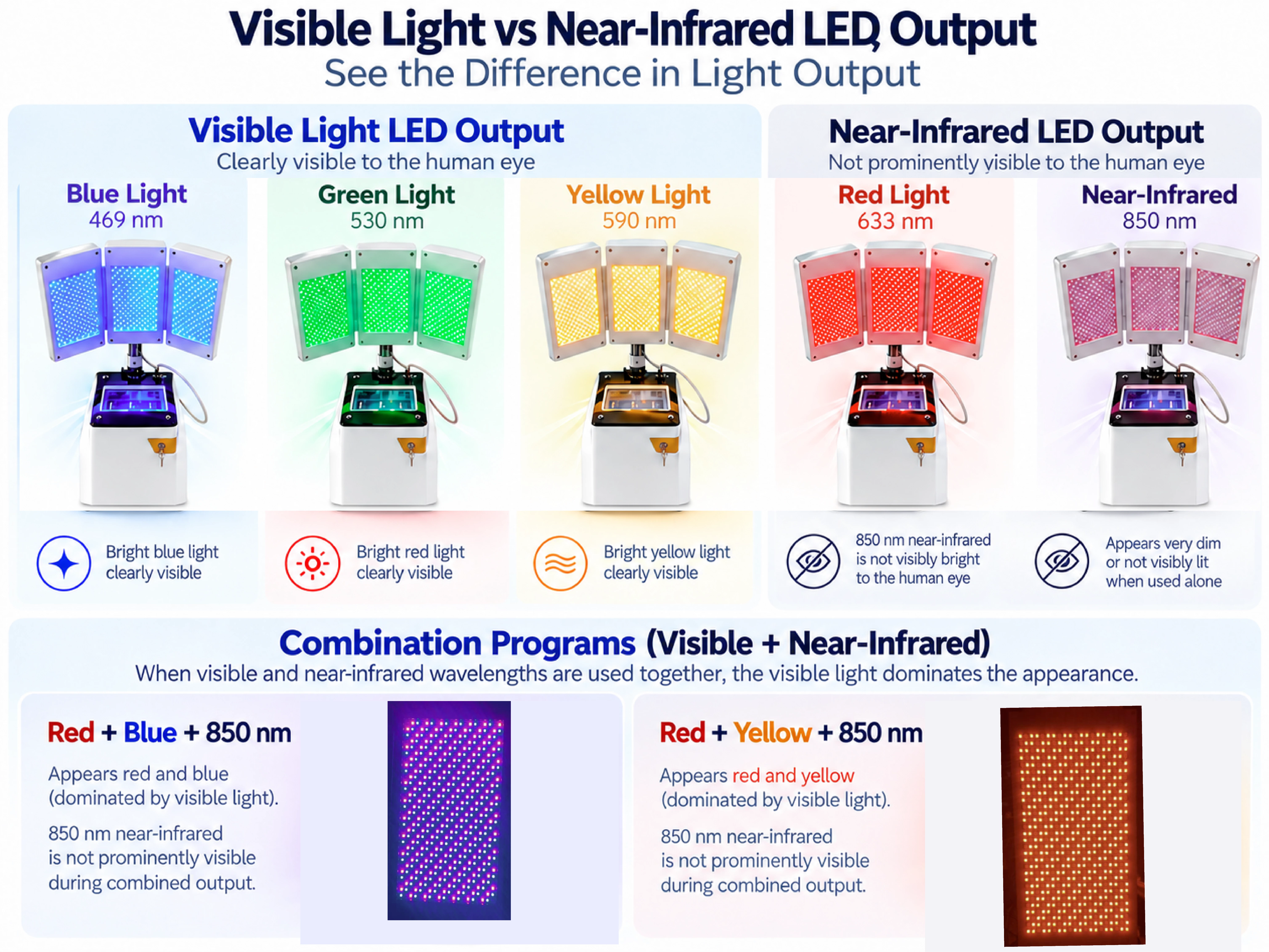
[IMAGE 5 — Visible Light vs Near-Infrared LED Output]
Suggested image content:
Use real Omni Laser equipment:
Red + Blue + NIR
→ visible red + blue, NIR not prominently visible
NIR only
→ visually very dim / largely invisible
Red + Yellow + NIR
→ visible red + yellow, NIR not prominently visible
The 5-panel Red + Yellow + NIR image should use the real interspersed LED distribution already confirmed.
12. Why Wavelength-Specific Evidence Matters
One of the most important principles in professional LED technology is:
Similar Color Does Not Mean Identical Wavelength
For example:
405nm blue
415nm blue
420nm blue
469nm blue
are all described broadly as blue or blue-violet wavelengths.
But their absorption profiles are different.
Similarly:
633nm and 660nm
are both red,
while:
830nm and 850nm
are both near-infrared.
Professional claims should therefore be based on:
the actual wavelength used
rather than applying evidence from one wavelength automatically to every wavelength in the same color family.
This is particularly important when evaluating:
- clinical literature
- aesthetic applications
- PBM protocols
- photosensitizer compatibility
- OEM/ODM wavelength selection
13. Single-Wavelength and Multi-Wavelength LED Programs
Professional LED equipment can use either:
Single-Wavelength Programs
or:
Multi-Wavelength Programs
depending on the intended application.
Single-wavelength options can include:
405–420nm Blue
469nm Blue
530nm Green
590nm Yellow
633nm Red
660nm Red
830nm NIR
850nm NIR
Selected combinations may include:
Red + Blue
Red + Yellow
Red + NIR
Red + Blue + NIR
or:
Red + Yellow + NIR
The purpose of a multi-wavelength system should not simply be to provide more colors.
The real value comes from combining wavelengths with:
different but complementary optical roles.
Therefore:
More wavelengths do not automatically mean better phototherapy.
14. LED Phototherapy and PDT
LED phototherapy and photodynamic therapy are closely related technologies, but they should not be treated as identical.
LED Phototherapy
LED phototherapy refers primarily to the use of LED emitters as an optical light-delivery platform.
The device can control parameters such as:
- wavelength
- irradiance
- exposure time
- treatment area
- wavelength combination
Photodynamic Therapy — PDT
PDT generally involves:
Photosensitizer + Appropriate Light + Oxygen
A photosensitizing compound absorbs light in a wavelength region appropriate to its absorption spectrum.
The light then participates in a photochemical process.
LEDs can be used as the optical source in selected PDT protocols.
Therefore, Omni Laser does not position its LED platform as being “unrelated to PDT.”
Instead:
An Omni Laser LED system can potentially serve as the light source in selected photosensitizer-assisted professional protocols when the wavelength and optical parameters are compatible.
Omni Laser does not supply photosensitizers as part of the standard LED system.
Professional customers who already use a photosensitizer can evaluate wavelength compatibility according to:
- photosensitizer absorption spectrum
- activation wavelength
- irradiance
- radiant exposure
- treatment distance
- treatment area
- protocol
- regulatory requirements
For example, a project requiring a shorter blue wavelength may need:
405–420nm
rather than:
469nm
depending on the photosensitizer.
Likewise, red-light activation protocols may require a specifically defined red wavelength rather than simply “red LED.”
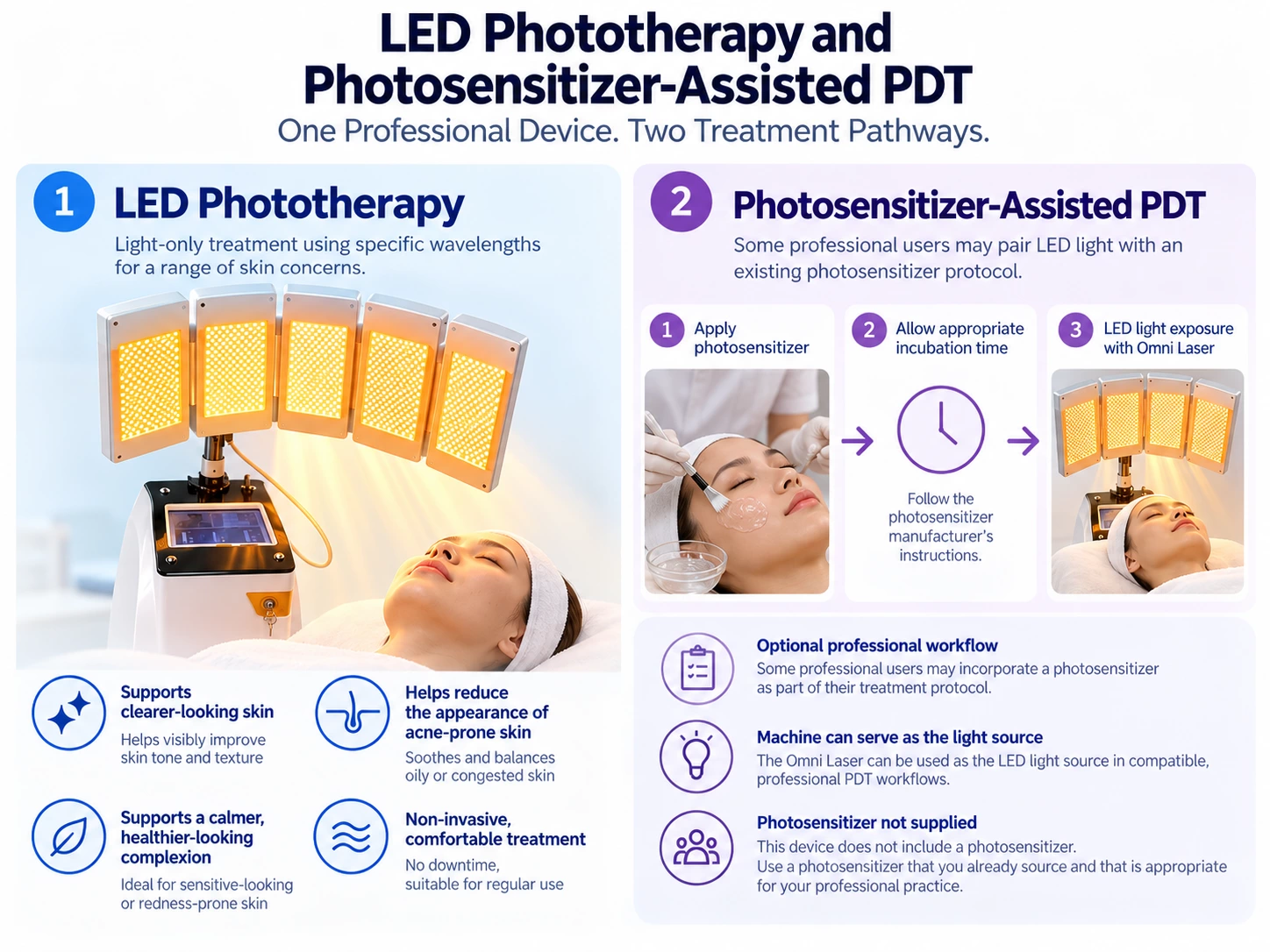
[IMAGE 6 — LED Phototherapy and Photosensitizer-Assisted PDT]
Suggested image content:
Two professional pathways:
LED Platform → LED-only Phototherapy
and:
LED Platform + Customer's Compatible Photosensitizer → Selected PDT Protocol
Add:
Omni Laser supplies LED equipment; photosensitizer not included.
15. LED Phototherapy and PBM
Photobiomodulation — PBM — is another related light-based field.
PBM is frequently associated with:
red
and:
near-infrared
wavelengths.
But the presence of 633nm, 660nm, 830nm or 850nm LEDs alone does not automatically define a complete PBM system.
Professional PBM depends on:
- exact wavelength
- irradiance
- energy density
- exposure time
- treatment frequency
- treatment geometry
- target tissue
- intended application
For this reason, Omni Laser separates:
Professional LED Phototherapy
primarily for aesthetic skin-care applications
from future:
PBM / Wellness Platforms
which may use different combinations of red and NIR wavelengths, optical doses and product geometries.
This also gives OEM/ODM customers greater flexibility when developing products for different markets.
16. One LED Platform Can Support Different Professional Configurations
The wavelength architecture of a professional LED system can be adapted according to the intended application.
For example:
Aesthetic Skin-Care Platform
Possible wavelengths:
469nm
530nm
590nm
633nm
850nm
Acne-Oriented Blue-Light Project
Possible blue wavelength:
405–420nm
depending on intended protocol and evidence requirements.
Red-Light Rejuvenation Platform
Possible red wavelengths:
633nm
or:
660nm
Near-Infrared Platform
Possible wavelengths:
830nm
or:
850nm
Photosensitizer-Assisted Project
Wavelength should be selected according to the absorption characteristics of the specific photosensitizer.
PBM / Wellness Project
Red and near-infrared wavelengths can be selected according to the intended biological target, dose and product configuration.
This is why Omni Laser treats LED wavelength configuration as an:
Optical Engineering Choice
rather than simply a color-selection feature.
17. Why Professional Buyers Should Ask for Exact Wavelengths
A professional buyer should not ask only:
“Does this machine have blue light?”
A better question is:
Which blue wavelength?
405nm?
415nm?
420nm?
469nm?
Likewise, instead of:
“Does it have red?”
ask:
633nm or 660nm?
And instead of:
“Does it have infrared?”
ask:
830nm or 850nm?
These differences can influence:
- absorption characteristics
- penetration behavior
- available published evidence
- protocol design
- PDT compatibility
- PBM positioning
Exact wavelength specifications are therefore essential for professional LED equipment.
18. Wavelength Is the First Step — Not the Whole Treatment
Even after the correct wavelength has been selected, wavelength alone still cannot define a complete LED treatment.
Two devices using:
633nm Red
could produce very different optical treatments if they differ in:
- irradiance
- treatment distance
- exposure time
- energy density
- wavelength distribution
- panel geometry
- optical uniformity
Likewise, the same:
850nm NIR
can be delivered at very different doses.
Therefore, the next technical question is:
How much optical energy actually reaches the treatment area?
That leads directly to the second Omni Laser LED technology article:
LED Dosimetry: Irradiance, Energy Density and Treatment Distance
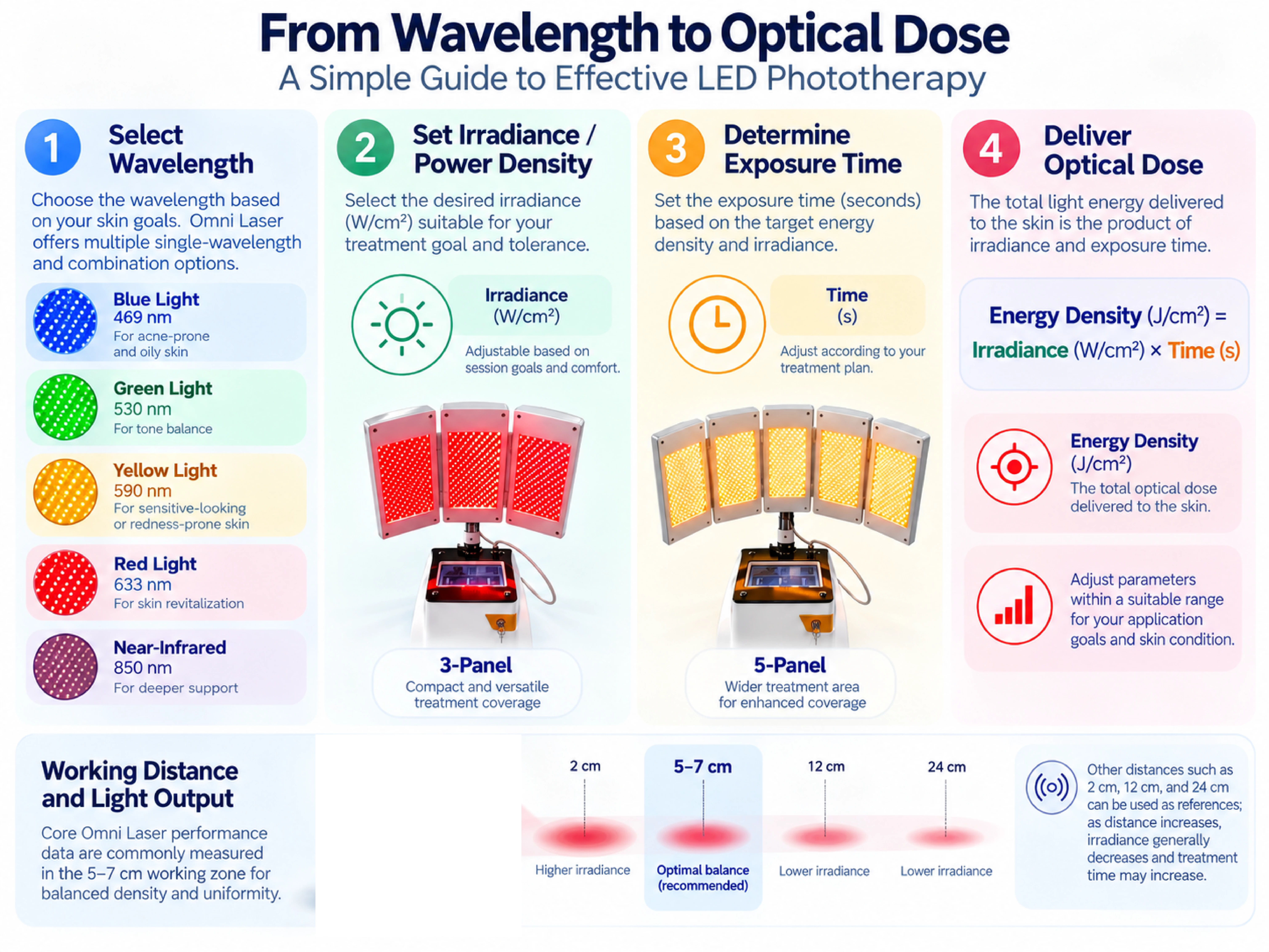
[IMAGE 7 — From Wavelength to Optical Dose]
Suggested image content:
Select Exact Wavelength
↓
Measure Irradiance
↓
Set Treatment Distance
↓
Determine Exposure Time
↓
Calculate Energy Density
↓
Build Treatment Protocol
This image should act as the transition from Article 1 to Article 2.
Frequently Asked Questions
Does Omni Laser only offer 469nm blue light?
No.
469nm is one available professional blue-light configuration, while shorter blue wavelengths in the approximately 405–420nm range can also be configured depending on the project requirement.
What is the difference between 415nm and 469nm blue light?
Both are blue wavelengths, but their absorption characteristics are different.
Approximately 415nm overlaps more strongly with the porphyrin absorption region frequently studied in acne-related research.
469nm is a longer blue wavelength and should not automatically inherit every claim associated with 415nm.
Does Omni Laser offer both 633nm and 660nm red light?
Yes.
Professional systems can be configured with 633nm or 660nm depending on the required optical design and intended application.
Is 660nm better than 633nm because it is longer?
Not necessarily.
The two wavelengths have similar broad red-light characteristics but should be selected according to the intended protocol, evidence and optical dose.
Longer wavelength alone does not mean better treatment.
Does Omni Laser offer both 830nm and 850nm NIR?
Yes.
Both 830nm and 850nm can be considered depending on the project configuration.
850nm is used in current Omni Laser LED configurations, while 830nm can also be selected for projects requiring that wavelength.
Can I see 830nm or 850nm light with my eyes?
Normally, both are largely invisible to the human eye.
Some cameras may detect them more strongly than human vision.
Is one near-infrared wavelength better than another?
Not automatically.
830nm and 850nm both belong to the NIR region.
Selection should depend on the intended application, published protocol, irradiance and total optical dose.
Is LED phototherapy the same as PDT?
Not exactly.
LED phototherapy refers to the light-delivery platform.
PDT additionally involves a photosensitizer, appropriate activating light and a photochemical reaction.
An LED system may serve as the light source in a compatible PDT protocol.
Does Omni Laser supply photosensitizers?
No.
Omni Laser supplies the professional LED equipment.
Customers with an existing photosensitizer can discuss wavelength and optical-parameter compatibility separately.
Is LED phototherapy the same as PBM?
Not necessarily.
PBM is defined by more than wavelength alone.
It also depends on dose, treatment frequency, target tissue and intended application.
Professional LED Phototherapy Begins with Exact Wavelength Selection
Professional LED phototherapy should not be evaluated by color names alone.
The real technical foundation starts with:
Exact Wavelength
because:
405–420nm is not the same as 469nm
633nm is not identical to 660nm
and:
830nm is not identical to 850nm
even though each pair belongs to the same general color or spectral region.
A professional LED platform should therefore match:
Wavelength
with:
absorption
scattering
relative penetration
biological mechanism
published evidence
and:
intended protocol.
Omni Laser can provide different LED wavelength configurations for aesthetic phototherapy, photosensitizer-assisted professional projects and future PBM/wellness platforms.
The next step is to determine how much of that light is actually delivered to the treatment area.
Next Technical Article:
LED Dosimetry: Irradiance, Energy Density and Treatment Distance →
Explore Omni Laser LED Treatment Applications →
Explore Professional LED Phototherapy Systems →
Discuss Customized LED Wavelength Configurations with Omni Laser →