Русский
 Türkçe
 中文
中文
Why “All Skin Tone” Compatibility Has Become a Must-Have Standard in Laser Hair Removal
1. Market Trend: More Skin Tones, Higher Risk
Today’s aesthetic clinics serve increasingly diverse populations. Across North America, Europe, the Middle East, Asia, and Africa, practitioners routinely treat patients spanning the full Fitzpatrick skin type scale.
This diversity also increases risk. Traditional IPL systems and outdated laser platforms were primarily designed for lighter skin tones. When used on darker skin, they often deliver unstable energy and excessive epidermal absorption, increasing the likelihood of burns, pigmentation issues, and inconsistent outcomes.
As a result, equipment that cannot safely treat multiple skin tones is becoming a growing liability for modern clinics.
2. The Real Meaning of “All Skin Tone Safe”
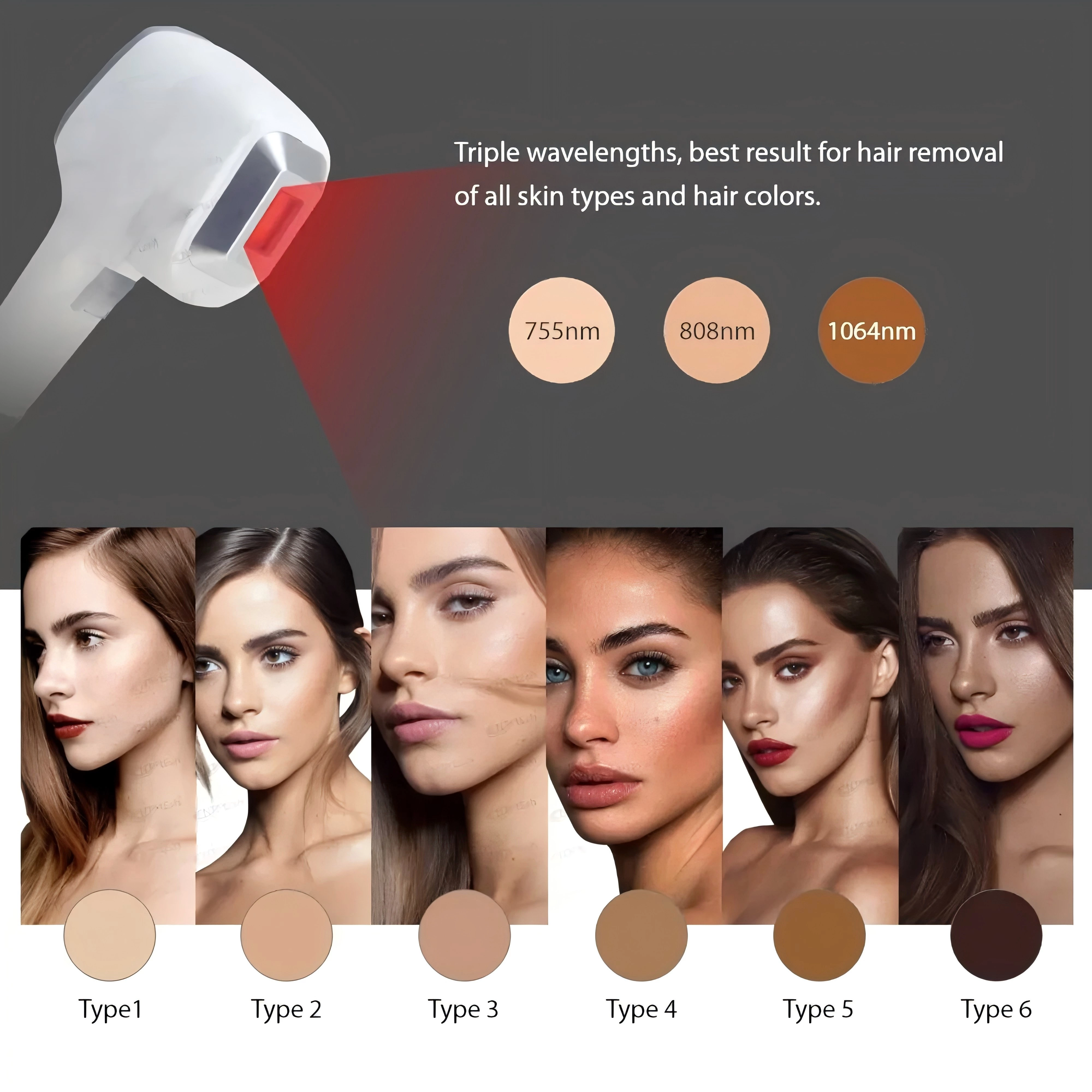
True all skin tone hair removal is rooted in laser physics, not terminology. The Fitzpatrick skin type system (Types I to VI) reflects increasing levels of melanin in darker skin tones.
Because melanin absorbs laser energy, improper wavelength selection or poor energy control can cause the skin to absorb too much heat instead of the hair follicle. This is the primary reason adverse reactions occur.
“All skin tone safe” means the laser system can effectively target the hair follicle while minimizing energy absorption by epidermal melanin across different skin types.
3. Why 808nm Is Considered the Industry’s Safe Core Wavelength
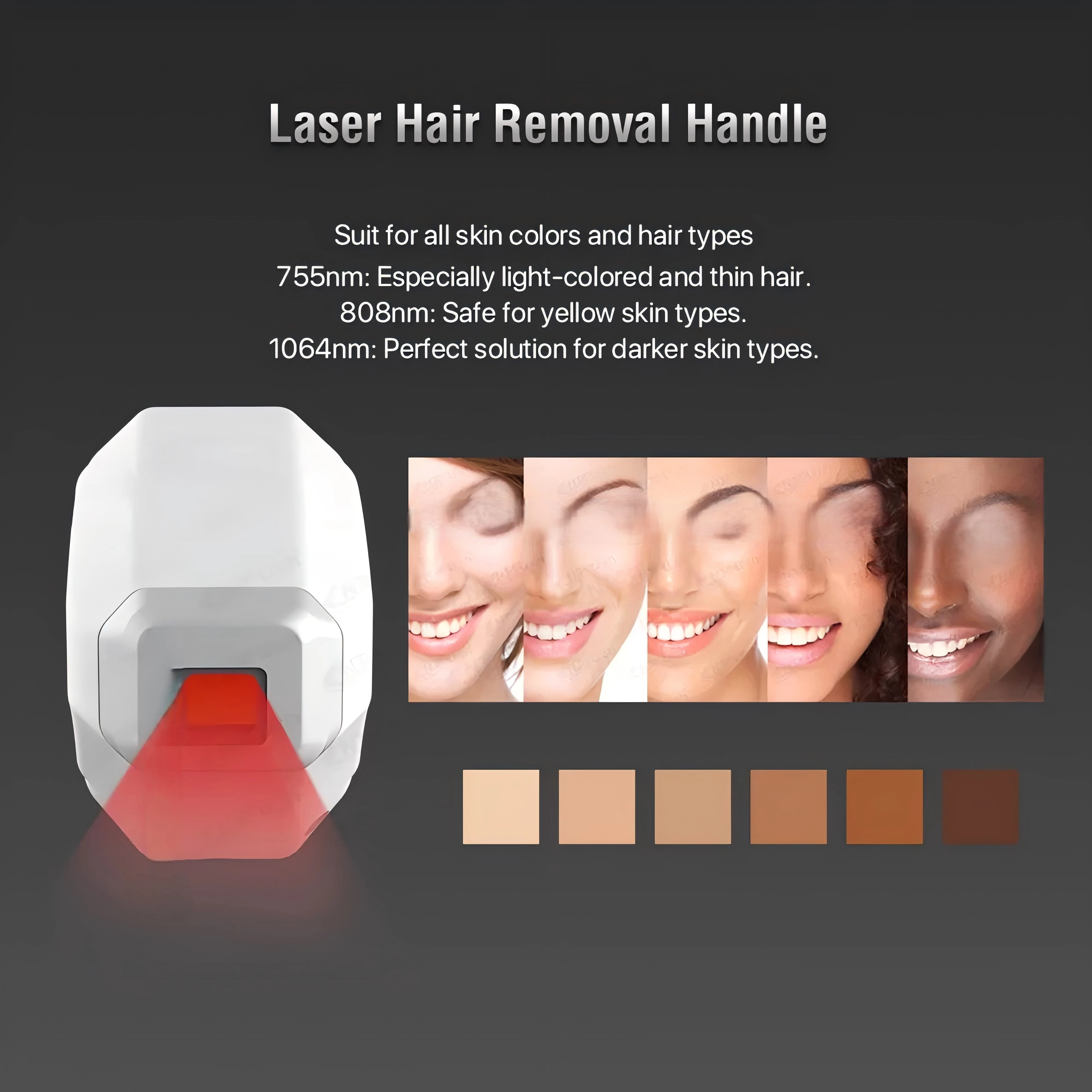
Among commonly used laser hair removal wavelengths, 808nm has earned its position as the industry standard due to its balance and reliability.
The 808 diode laser provides sufficient absorption by hair follicle melanin while significantly reducing absorption by the skin compared to shorter wavelengths. Its penetration depth is well suited for most hair types and body areas.
This balance allows safer and more predictable treatments for both light and darker skin tones, which is why 808nm is widely adopted in professional clinical environments.
4. Technology Matters More Than Marketing Claims
Wavelength alone does not determine safety. System engineering plays a decisive role in real treatment outcomes.
Key factors include stable energy output, consistent pulse delivery, and effective cooling performance. Fluctuating energy or inadequate cooling can increase treatment risk regardless of wavelength.
Professional-grade diode laser hair removal machines are designed to maintain consistent output and protect the skin during repeated daily use, which is essential for long-term clinical safety.

5. Professional Guidance Toward 808 Diode Solutions
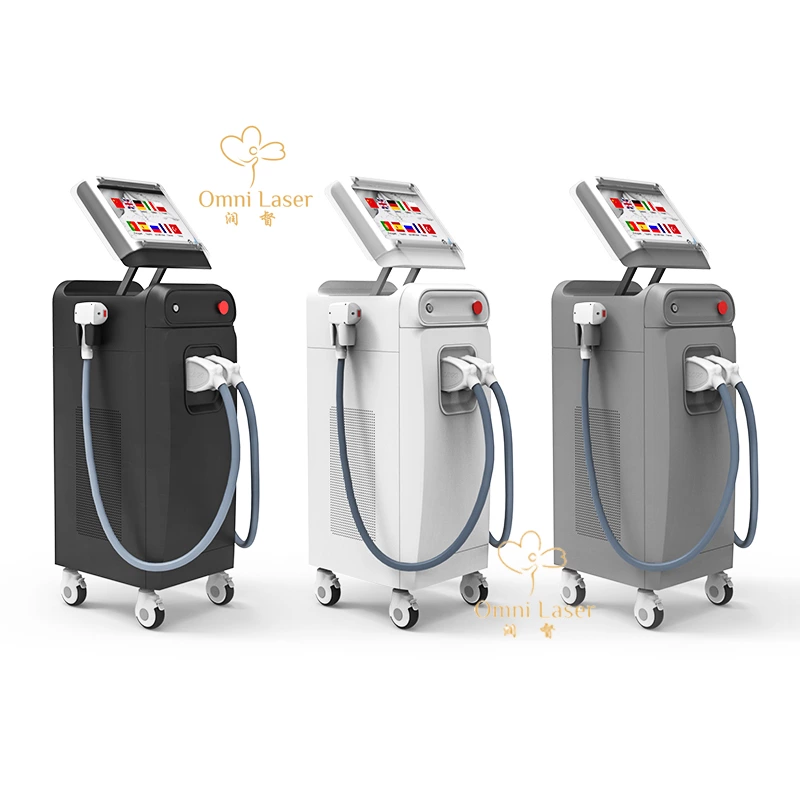
As safety expectations increase, more clinics are choosing professional 808 diode laser hair removal machines designed specifically for all skin tones.
Well-engineered 808 systems focus on stable performance, controlled energy delivery, and reliable cooling. This allows clinics to safely expand their client base without compromising treatment quality or increasing complication risk.
Such systems support sustainable clinic growth rather than short-term cost savings.
6. Conclusion
All skin tone compatibility is no longer optional in laser hair removal. It is a fundamental requirement driven by global patient diversity and higher clinical standards.
Selecting a professional 808 diode laser platform establishes a strong foundation for safety, effectiveness, and long-term success. In today’s market, 808nm technology is not just a trend—it is the baseline.
by Laurinda