Русский
 Türkçe
 中文
中文
Top Skin Concerns Treated by Fractional CO2 Laser: Why Clinics Choose This Technology
Introduction: The Growing Need for Multi-Purpose Skin Treatments
Skin concerns rarely appear in isolation. A patient seeking treatment for acne scars may also experience uneven skin texture, enlarged pores, or pigmentation caused by sun damage. For dermatology clinics and aesthetic centers, this means treatment devices must be capable of addressing multiple conditions effectively.
Fractional CO2 laser technology has become one of the most widely adopted solutions because it combines skin resurfacing with deep collagen stimulation. By delivering laser energy in a fractional grid pattern, the device treats only small portions of the skin at a time, leaving surrounding tissue intact to speed healing.
This balance between effectiveness and recovery time makes fractional CO2 laser treatment suitable for a wide range of dermatological applications.
Acne Scars
Acne scars are among the most common reasons patients seek aesthetic treatment. When severe acne damages the skin, the healing process may result in atrophic scars, which appear as depressions or uneven skin texture.
Fractional CO2 laser treatment works by creating microscopic channels in the skin, triggering the body’s natural wound-healing response. This process stimulates fibroblasts to produce new collagen and elastin, gradually improving the depth and appearance of scars.
Clinical studies show that many patients experience significant improvement in acne scar appearance after a series of treatments, with reported improvements typically ranging from 30% to 70% depending on scar type and treatment parameters.
Because of this effectiveness, fractional CO2 lasers are frequently used to treat common scar types such as ice-pick scars, rolling scars, and boxcar scars.
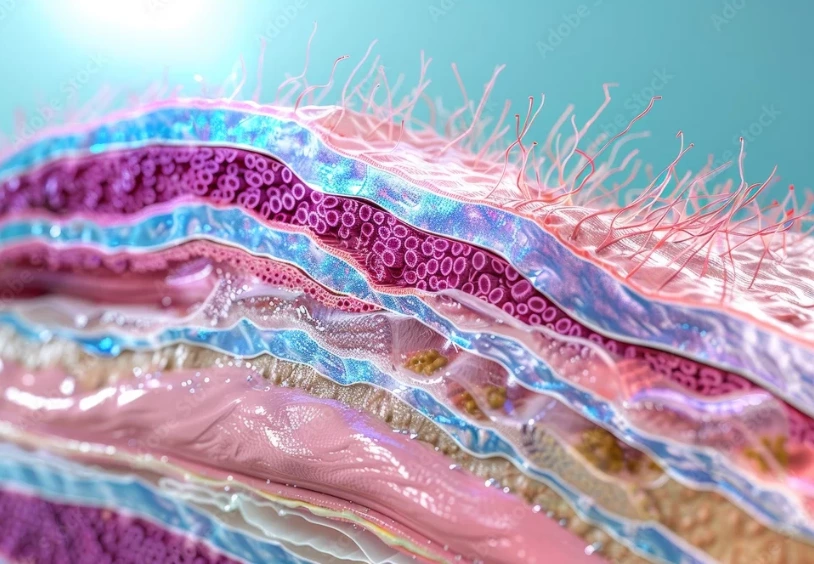
Wrinkles and Fine Lines
Another major application of fractional CO2 laser treatment is the reduction of wrinkles and fine lines. As the skin ages, collagen and elastin production gradually decreases, leading to visible signs of aging such as sagging skin and facial wrinkles.
Fractional laser treatments stimulate collagen regeneration by creating controlled micro-injuries within the skin layers. This triggers the body’s repair process and encourages the formation of new collagen fibers, improving skin firmness and elasticity over time.
As collagen remodeling continues in the months following treatment, patients often notice smoother skin and reduced wrinkle depth, particularly in areas such as the forehead, around the eyes, and around the mouth.
Pigmentation and Sun Damage
Long-term sun exposure can cause pigmentation problems such as sunspots, uneven skin tone, and photoaging. These conditions occur when ultraviolet radiation damages skin cells and stimulates excess melanin production.
Fractional CO2 laser resurfacing removes damaged outer skin layers and promotes the regeneration of healthier skin cells. The laser energy also stimulates cellular turnover, which gradually improves skin tone and reduces visible pigmentation irregularities.
For many patients, fractional laser resurfacing offers a combined solution for treating both sun damage and early signs of aging in a single treatment plan.
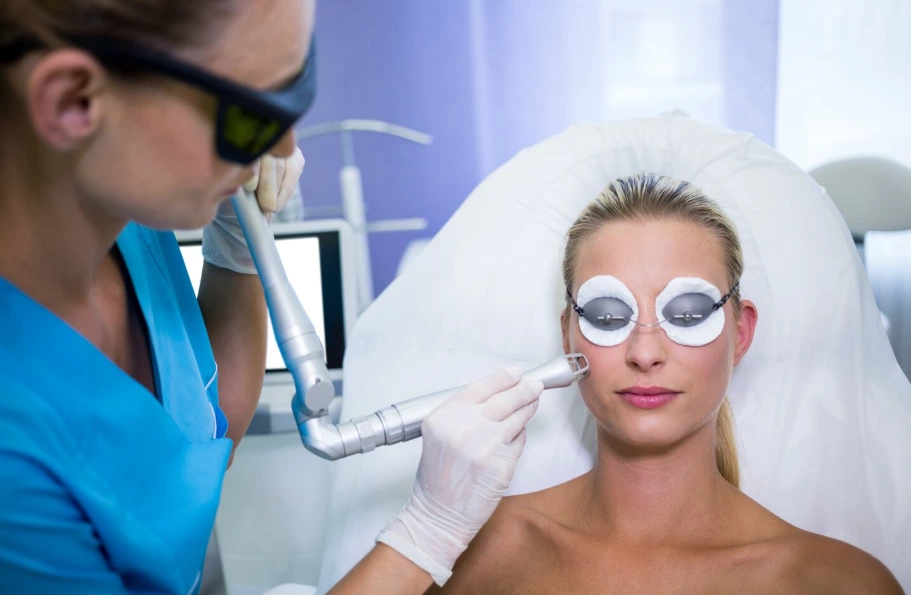
Large Pores and Uneven Skin Texture
Enlarged pores and rough skin texture are common cosmetic concerns, especially in patients with oily skin or previous acne damage. These issues are often related to changes in collagen structure within the dermis.
Fractional CO2 laser treatments promote dermal remodeling by stimulating collagen synthesis and restructuring existing collagen fibers. As the dermal matrix becomes more organized and dense, the skin surface appears smoother and pores become less visible.
Because this treatment targets both superficial and deeper skin layers, it can improve overall skin texture more effectively than many topical skincare solutions.
Stretch Marks and Surgical Scars
Stretch marks and surgical scars occur when the skin is stretched or damaged beyond its natural capacity to regenerate evenly. These scars often appear as lines or irregular textures on the skin surface.
Fractional CO2 laser technology helps improve the appearance of these scars by stimulating new collagen formation and encouraging the restructuring of damaged skin tissue. During the healing process, disorganized collagen fibers within scar tissue are gradually replaced with a more normal collagen structure.
Over time, this remodeling process can make scars appear smoother, lighter, and less noticeable.
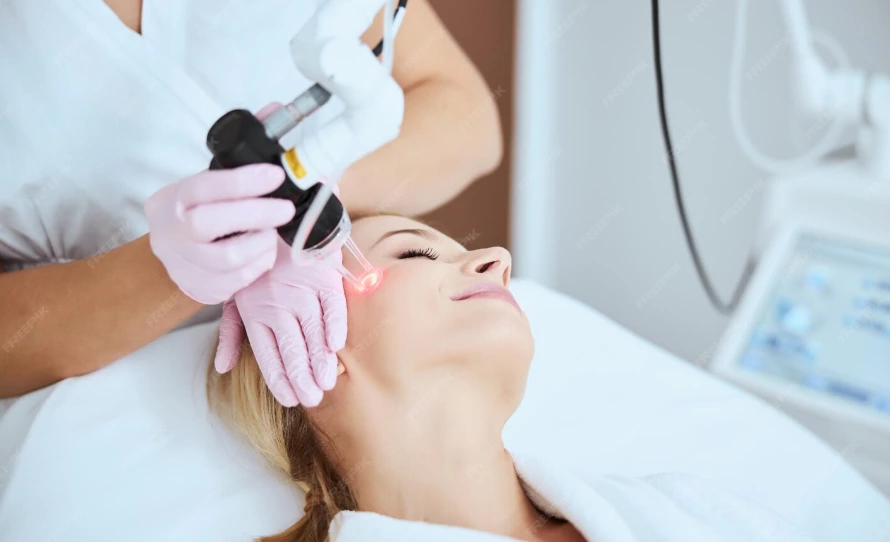
Product Recommendation: Professional Fractional CO2 Laser for Clinics
For dermatology clinics and aesthetic centers looking to provide comprehensive skin rejuvenation treatments, selecting the right fractional CO2 laser machine is essential.
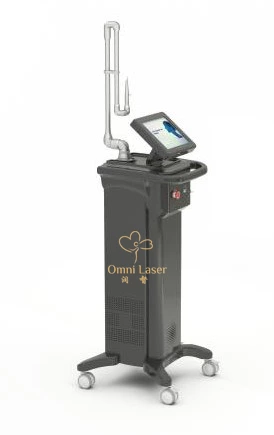
The Omni Fractional CO2 Laser System is designed to deliver precise fractional laser energy for a variety of dermatological and aesthetic applications. The device operates with a 10,600 nm CO2 laser wavelength and advanced scanning technology to create controlled microthermal treatment zones in the skin.
Key advantages include:
- Adjustable treatment parameters for different skin conditions
- Multiple treatment modes for skin resurfacing and scar therapy
- High-precision scanning system for uniform energy distribution
- Reliable performance for professional clinical use
With its versatility, this type of system allows clinics to perform treatments for acne scars, skin rejuvenation, wrinkle reduction, and scar remodeling using a single platform.
Conclusion
Fractional CO2 laser technology has become an essential tool in modern dermatology because it can address multiple skin concerns with a single treatment approach. By combining controlled skin resurfacing with deep collagen stimulation, the technology effectively improves acne scars, wrinkles, pigmentation, enlarged pores, and other skin texture issues.
As patient demand for non-surgical skin rejuvenation continues to grow, fractional CO2 laser systems will remain a key solution for clinics seeking safe, versatile, and clinically proven aesthetic treatments.
by Laurinda