Русский
 Türkçe
 中文
中文
Fractional CO₂ Laser vs Other Skin Resurfacing Treatments: Which Option Is Best?
1. Introduction
Advances in aesthetic dermatology have led to a wide range of skin resurfacing treatments aimed at improving skin texture, reducing scars, and restoring a youthful appearance. Among the most commonly used procedures are fractional CO₂ laser resurfacing, microneedling, and chemical peels.
Each of these treatments works in a different way and targets different layers of the skin. Some focus on superficial exfoliation, while others stimulate deeper collagen remodeling. Understanding the differences between these options helps practitioners and patients select the most suitable treatment based on skin condition, severity of damage, and desired results.
2. Fractional CO₂ Laser Overview
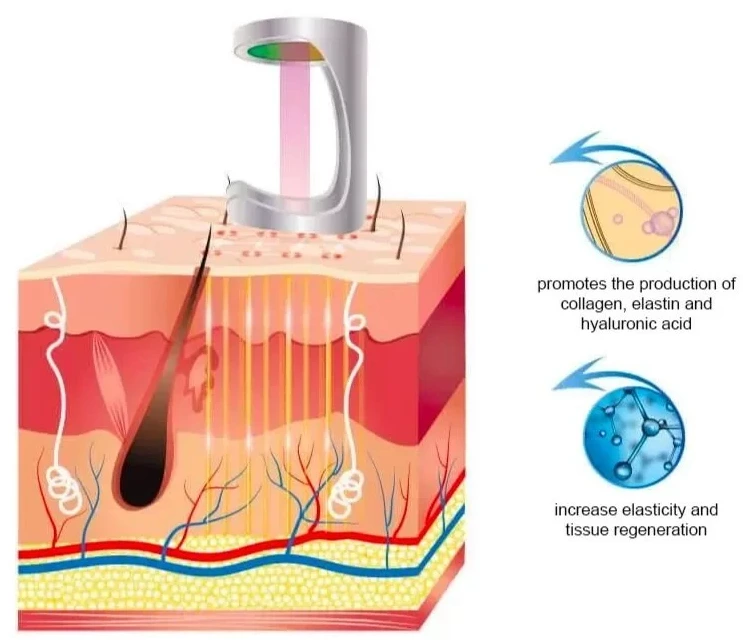
Fractional CO₂ laser is an advanced skin resurfacing technology that uses a carbon dioxide laser beam to create thousands of microscopic treatment zones in the skin. Instead of treating the entire skin surface, the laser targets small columns of tissue while leaving surrounding skin intact.
This fractional approach allows the skin to heal more quickly while stimulating the body’s natural repair mechanisms. The laser energy penetrates into the dermis, causing controlled thermal injury that triggers collagen production and skin regeneration.
As the skin heals, new collagen forms and damaged tissue is replaced with healthier skin. This results in smoother texture, improved elasticity, and reduced appearance of scars and wrinkles.
3. Microneedling Treatment
Basic Working Principle
Microneedling is a minimally invasive procedure that uses fine needles to create tiny punctures in the skin. These micro-injuries activate the body’s natural wound healing process and stimulate collagen and elastin production.
The treatment is typically performed using a dermal roller or an automated microneedling device that precisely controls needle depth.
Suitable Skin Conditions
Microneedling is commonly recommended for mild to moderate skin concerns, including:
- Mild acne scars
- Enlarged pores
- Fine lines and early wrinkles
- Uneven skin texture
- Mild skin laxity
Because the treatment primarily targets superficial and mid-dermal layers, it usually requires multiple sessions to achieve noticeable results.
4. Chemical Peels
Types of Chemical Peels
Chemical peels involve the application of acidic solutions to remove damaged layers of skin. Depending on the strength of the solution, chemical peels are classified into three categories.
Superficial peels use mild acids such as glycolic acid to gently exfoliate the outer layer of skin. Medium-depth peels penetrate deeper layers using agents like trichloroacetic acid (TCA). Deep peels use stronger chemical formulations to treat severe skin damage.
Skin Concerns They Address
Chemical peels are often used to improve several common skin conditions, including hyperpigmentation, sun damage, dull skin tone, mild wrinkles, and uneven skin texture.
The effectiveness and downtime of chemical peels depend largely on the type and strength of the peel used.
5. Key Differences Between Treatments
Treatment Depth
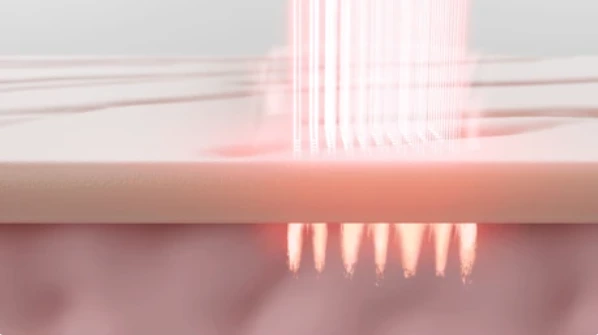
Fractional CO₂ laser penetrates deeper into the dermis and provides significant collagen remodeling. Microneedling mainly affects superficial and mid-dermal layers. Chemical peels vary in depth depending on the formulation, but most treatments focus on exfoliating outer skin layers.
Recovery Time
Fractional CO₂ laser treatments usually involve moderate downtime due to deeper tissue remodeling. Microneedling typically has minimal recovery time, with mild redness lasting one to two days. Chemical peel recovery varies from mild irritation for superficial peels to longer healing time for deeper treatments.
Results and Effectiveness
Fractional CO₂ laser generally delivers more dramatic improvements for severe skin concerns such as deep scars and wrinkles. Microneedling produces gradual improvement over multiple sessions. Chemical peels are particularly effective for pigmentation issues and superficial skin rejuvenation.
6. When Fractional CO₂ Laser Is Preferred
Although all resurfacing treatments can improve skin quality, fractional CO₂ laser is often the preferred option for more advanced skin concerns.
Deep Acne Scars
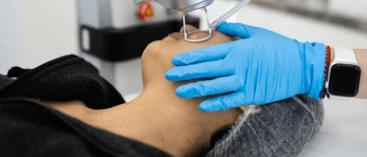
Fractional CO₂ laser penetrates deeper layers of the skin, helping break down scar tissue and stimulate significant collagen regeneration.
Advanced Skin Resurfacing
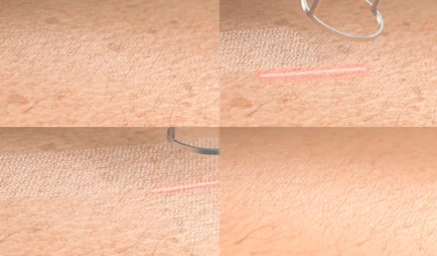
For patients with pronounced wrinkles, sun damage, or uneven skin texture, the treatment provides stronger resurfacing effects compared with other methods.
Long-Term Collagen Stimulation
The thermal energy generated by the laser stimulates long-term collagen production, resulting in continued skin improvement over several months after treatment.
7. Product Recommendation: Professional Fractional CO₂ Laser Equipment
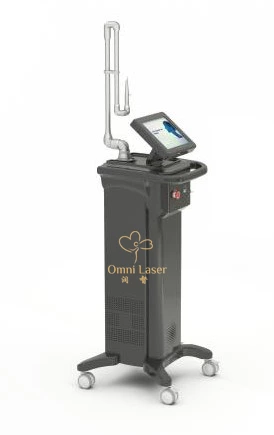
For dermatology clinics and aesthetic centers seeking reliable resurfacing technology, the Fractional CO₂ Laser system from Omni Laser provides a professional treatment solution.
The device utilizes advanced fractional laser technology to create precise microthermal treatment zones that stimulate skin regeneration while minimizing damage to surrounding tissue.
Key technical advantages include high power output for effective resurfacing treatments, a 10,600 nm wavelength optimized for skin rejuvenation, and multiple treatment modes that allow practitioners to customize procedures according to different skin conditions.
In addition to facial rejuvenation, the system supports a wide range of applications such as acne scar removal, wrinkle reduction, pigmentation treatment, stretch mark reduction, and vaginal rejuvenation therapies. This versatility makes it suitable for dermatology clinics, medical spas, and aesthetic treatment centers.
8. Conclusion
Modern aesthetic medicine offers several effective skin resurfacing treatments, including microneedling, chemical peels, and fractional CO₂ laser therapy. While microneedling and chemical peels are suitable for mild to moderate skin concerns, fractional CO₂ laser technology provides deeper skin remodeling and more significant long-term results.
For patients with deep acne scars, severe photoaging, or advanced skin texture issues, fractional CO₂ laser treatments offer superior collagen stimulation and noticeable skin improvement. With professional equipment designed for clinical use, dermatology clinics can provide safe, versatile, and highly effective resurfacing treatments for a wide range of patient needs.
by Laurinda