Русский
 Türkçe
 中文
中文
Cold Plasma(Part 3)Breaking Through Traditional Bottlenecks: How Plasma Technology is Reshaping High-Efficiency Skin Management
Chapter 5: The Four Core Pain Points of Traditional Skincare Treatments
Insufficient Absorption of Skincare Products
Research shows that the effective ingredient penetration rate of conventional skincare products is typically less than 1%, with most active substances remaining on the skin surface and failing to deliver their intended benefits. While the natural barrier function of the stratum corneum protects the skin, it also significantly hinders the entry of active ingredients.

Notable Side Effects of Traditional Treatments
Common methods such as chemical peels and traditional laser therapies often come with redness, pain, and peeling. Some individuals may even experience pigmentation or scarring, where treatment risks frequently outweigh the benefits.
Long Recovery Periods and Intolerance in Sensitive Skin
Most invasive treatments require several days to weeks of recovery, during which skincare routines become cumbersome. More critically, individuals with sensitive skin often cannot tolerate the irritation of traditional therapies due to their fragile barrier function.
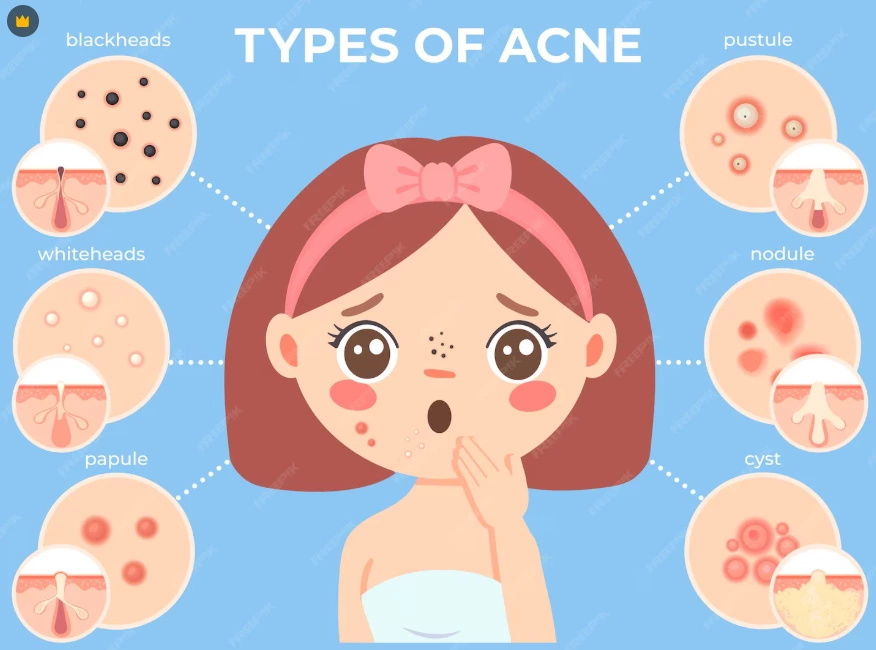
Inability to Address Multiple Issues Simultaneously
Traditional approaches are typically designed to target single symptoms. When faced with complex coexisting issues like acne, sensitivity, and wrinkles, they often address one problem at the expense of others, making comprehensive improvement difficult.
Chapter 6: The Three Mechanisms of Plasma Technology in Solving Sensitivity and Repair Challenges
Inhibiting Key Inflammatory Pathways
Plasma energy precisely regulates the expression of inflammatory factors such as TNF-α and IL-6, blocking the inflammatory cascade at the molecular level and creating a stable recovery environment for sensitive skin.
Rebuilding Skin Tolerance and Barrier
By promoting keratinocyte differentiation and lipid synthesis, plasma technology effectively strengthens the skin's physical barrier, enhancing its resistance to external irritants and reducing the recurrence of sensitivity.
Accelerating Tissue Repair Processes
Stimulating epidermal cell proliferation and migration while activating fibroblast activity promotes collagen regeneration, increasing the repair speed to 2–3 times that of traditional methods.
Chapter 7: Plasma Technology’s Medical-Grade Solution to Break Through Absorption Barriers
Instant Microchannel Opening Technology
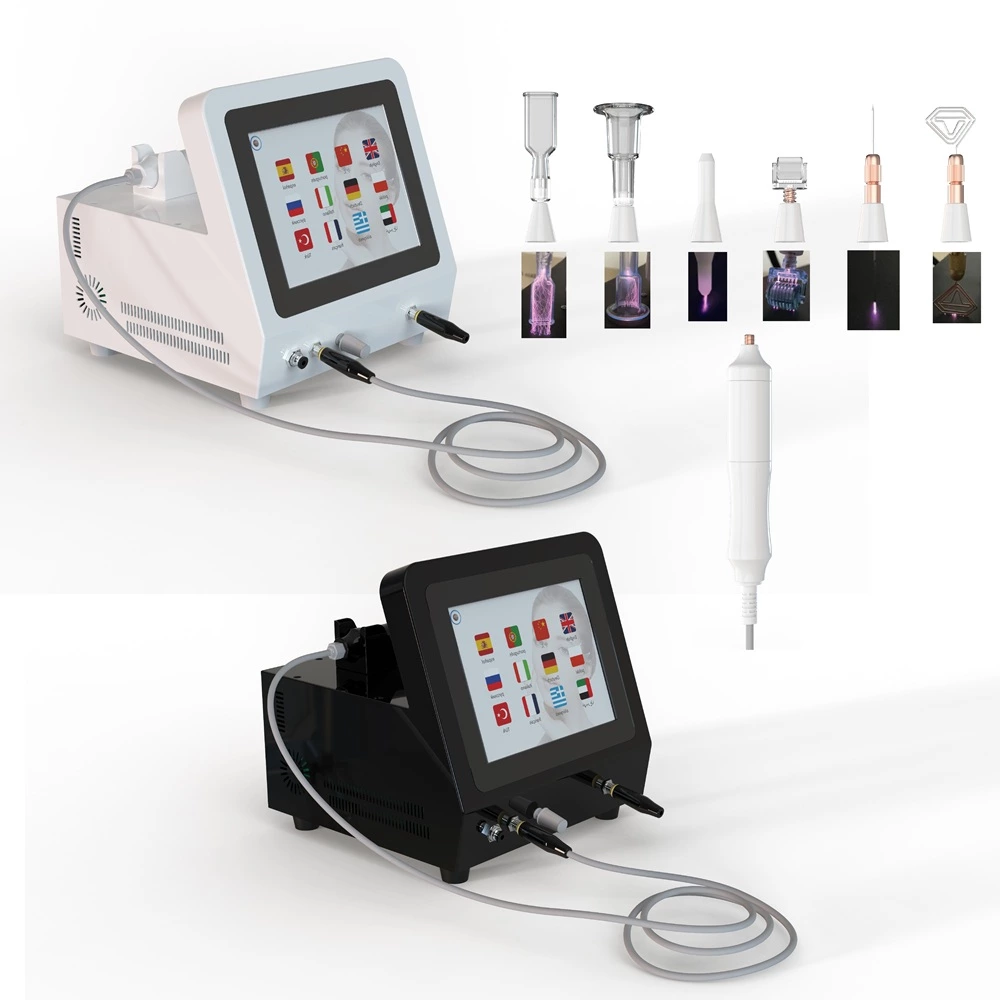
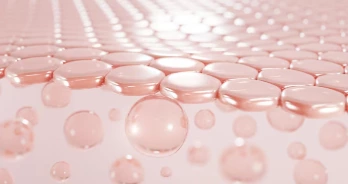
Cold plasma can create reversible hydrophilic microchannels in the stratum corneum without damaging living tissue. These nanoscale pathways provide the physical foundation for subsequent ingredient penetration.
Absorption Efficiency Multiplier Effect
Leveraging the microcurrents and energy fields generated by plasma, the transdermal absorption rate of active ingredients can be increased by 2–5 times, enabling deeper targeted delivery.
Translating Medical Transdermal Technology to Skincare
This technological system originates from the established principles of transdermal drug delivery systems used in hospitals. Through precise parameter control, it achieves pharmaceutical-grade penetration effects while ensuring safety, making it an innovative alternative to traditional infusion devices.
ELsen