Русский
 Türkçe
 中文
中文
Cold Plasma (Part 2)|The Root-Cause Solution to Skin Laxity and Enlarged Pores
Chapter 3: The Root Causes of Loss of Skin Elasticity, Laxity, and Enlarged Pores
Skin laxity and enlarged pores are not surface-level issues; their origin lies in dermal aging. The core changes can be summarized as follows:
-
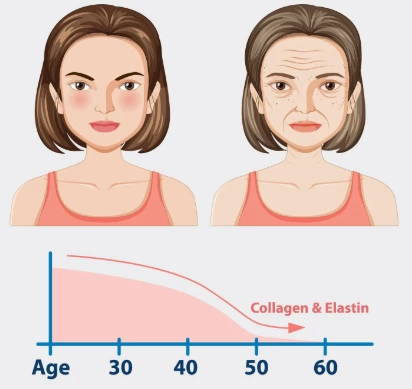
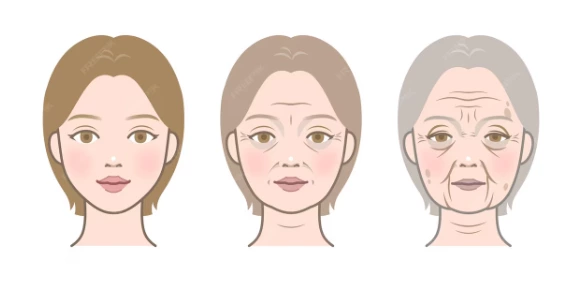
Mechanism of Collagen Loss: In the dermis, collagen and elastin fibers form the "steel framework" and "springs" of the skin. With age and external stressors, these support structures break down and degrade, causing the skin to lose its supportive force, manifesting as skin laxity.
-
"Increased Destruction, Decreased Supply": Photoaging is the primary external culprit. Ultraviolet radiation activates an increase in matrix metalloproteinases (MMPs), leading to the excessive breakdown of collagen and elastin. Simultaneously, glycosaminoglycans (GAGs), responsible for maintaining skin hydration and plumpness, decrease. The skin further becomes dehydrated and collapses, revealing the cause of enlarged pores—the pores are forced to "stretch" due to the loss of surrounding support.
-
Weakened Barrier and Slowed Metabolism: A compromised epidermal barrier function not only reduces moisture retention but also impairs the skin's normal metabolism and repair capabilities, creating a vicious cycle of "accelerated loss and slowed regeneration."
-
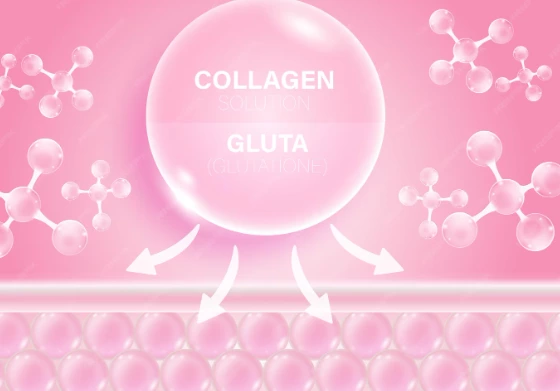
Limitations of Conventional Skincare: Active ingredients (such as collagen and peptides) in everyday skincare products have relatively large molecular weights and primarily act on the stratum corneum and epidermis. They cannot effectively penetrate into the dermis to address the fundamental issue of collagen loss.
Chapter 4: Why Can Plasma Address "Skin Laxity and Collagen Loss"?
Cold plasma technology stands as a revolutionary anti-aging technology precisely because it can non-invasively and precisely target the dermis, activating the skin's intrinsic regenerative capabilities at a biological level.
-
Low-Concentration ROS Activates Fibroblasts: This is the core mechanism of dermal stimulation. Unlike the high-concentration ROS that destroys bacteria, the controlled, low-concentration ROS generated by cold plasma acts as a crucial biological signal. It directly activates fibroblasts (the "production factories" of collagen) within the dermis, initiating their repair and regeneration programs.
-
Promotes Synthesis of New Collagen and Elastin: Activated fibroblasts significantly increase the synthesis efficiency of Type I and III collagen regeneration and elastin. These newly formed protein fibers gradually repair the aged dermal reticulum, providing internal "lifting" for the skin.
-
Support from Clinical Evidence: Multiple clinical studies have confirmed a clear collagen增生 (proliferation) effect in the skin following cold plasma treatment. For example, skin ultrasound examinations can demonstrate a significant post-treatment increase in dermal density and thickness, which is the direct structural basis for restored skin firmness and improved laxity and pore issues.
-
Safety of Non-Thermal Damage: The entire collagen regeneration process is driven by biochemical signals (ROS), not thermal effects. Therefore, treatment occurs at near-body temperature, avoiding the risks of thermal damage and post-inflammatory hyperpigmentation associated with thermal therapies like lasers. It offers high safety and a short recovery period.
ELsen